
Sports are really a great way to stay moving, give your fitness a real push, and build confidence, like, it just works. But then again, when you jump into contact sports , or high impact activities , or even those more laid back recreational kinds of exercise , the odds can rise for spinal injuries.
A lot of sport related injuries do involve muscles or joints, but problems in the spine can get way more serious if they are not spotted early, and treated right away. When you get a grip on how sports spinal injuries happen, when you can spot those early warning signs, and when you go for the right expert sports injury treatment, the recovery journey can look pretty different , especially for long term spinal health.
Whether you are a professional athlete, or you’re just out there playing on the weekend, early diagnosis and a solid sports injuries treatment plan matters a lot for getting back safely to what you enjoy. If symptoms just keep on lingering, getting in touch with a qualified spine surgeon, or a Spinal Consultant can lessen the risk of complications, and help bring back mobility.
A sports spinal injury is kinda any injury that touches the bones , the discs, muscles, ligaments, nerves, or even the spinal cord while someone is playing sports. In real life it can start out looking like a light muscle strain but it can also spiral into something more serious like a spinal fracture or real spinal cord injury, you know.
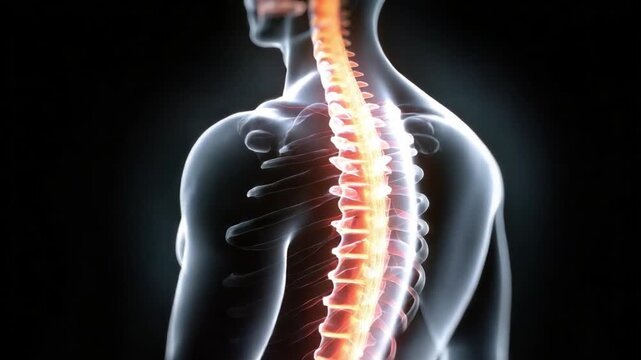
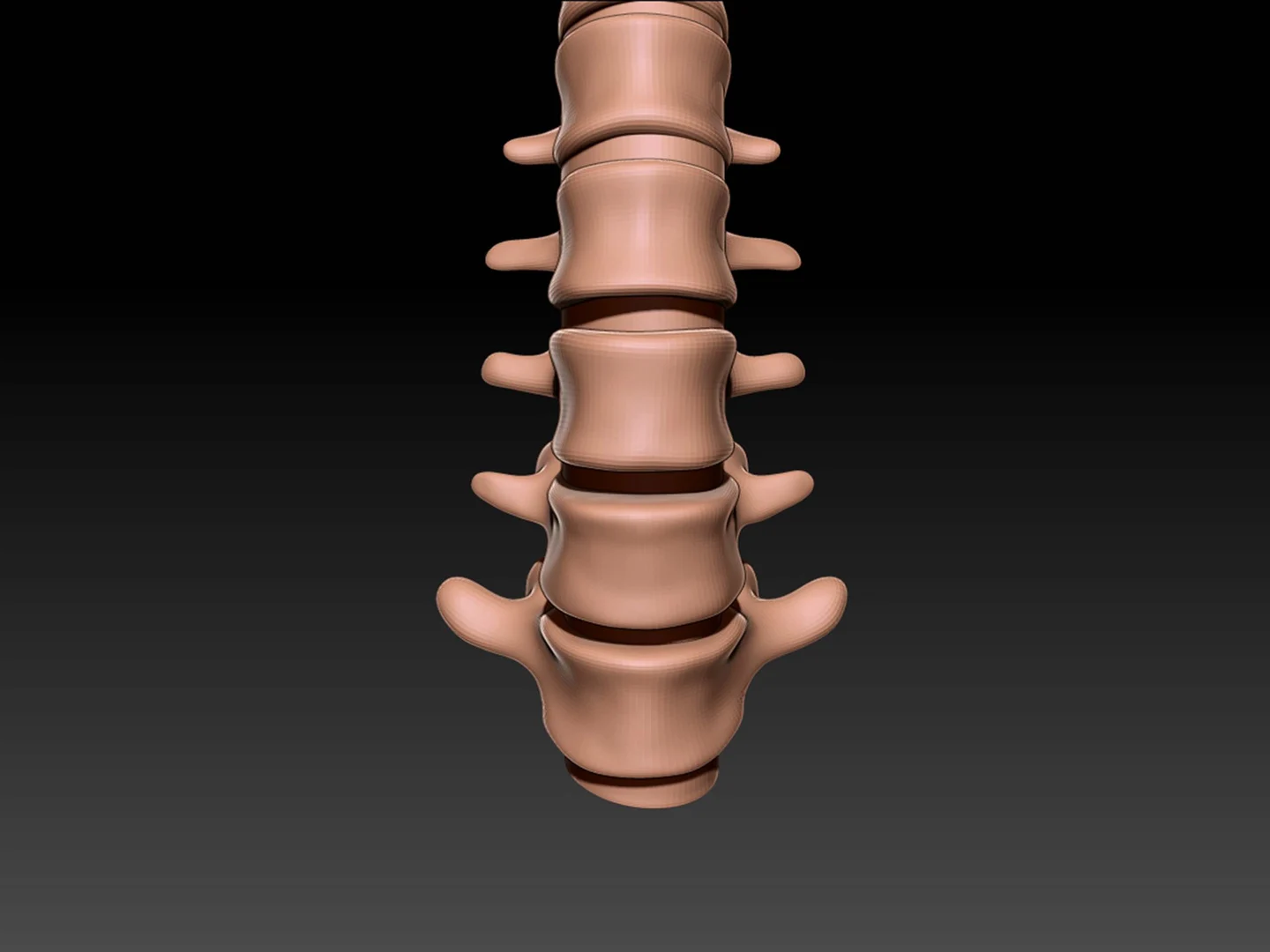
These sports spinal injuries usually land in a few zones, most often the cervical spine (the neck), the thoracic spine (upper back) , and the lumbar spine (lower back). High impact sports like rugby, football, gymnastics, wrestling, cycling, skiing, and diving usually bring a higher risk, but injuries still can happen in almost any sport even the “safer” ones.
Getting treated for a sports injury at a reputable sports injury clinic, or a sports injuries clinic really, can help your recovery come along faster and also lower the chance of lasting damage.
Sports spinal injuries commonly happen because of too much force, a wrong technique, repeated strain, or a sudden, accidental trauma, basically. If you get a handle on why this occurs, athletes can lower the probability of it happening again, and maybe use better methods too.
Things like contact sports , such as rugby, American football, hockey, and martial arts tend to bring intense impacts that can end up hurting the spine. Sometimes it is sort of all at once, one collision after another, and that is where injuries show up.
Cyclists, skiers, gymnasts, horseback riders and climbers often get slips and tumbles that put pretty serious stress on the back or the neck. Sometimes the whole head area gets involved too, and it feels like everything kind of lands at once.
Wrong lifting technique, kind of awkward tackling or even a sloppy posture while exercising can put some abnormal stress onto the spinal structures, and then it just doesn’t feel right.
Sports like golf, tennis, rowing, cricket, and gymnastics usually keep repeating, twisting and bending, over and over, and this kind of gradual motion slowly abrades the spine tissues. In a real way it’s not just one moment, it’s the constant turning and compressing that racks up wear.
Poor core strength messes with spinal stability a bit, so athletes become more vulnerable during that physical activity, and it can lead to more injury.
If you skip stretching exercises and warm up routines, muscles can get more stiff, and the chance of strains goes up, plus ligament injuries.
Athletes who feel persistent pain should head to a sports injury clinic, or sort of a clinic for sports and injuries, where specialists can figure out the real underlying reason, before the symptoms get worse.
Some spinal injuries sort of come in a slow way, like a creeping, gradual thing. while others just show up quickly, all at once after an accident. Noticing the signs early helps speed up the diagnosis, and that supports more effective sports injuries care overall treatment too.
If numbness, severe weakness, or loss of coordination shows up after a sports injury, you need immediate emergency medical attention, ok, don’t wait Leaving these signs as they are can allow what felt pretty minor to turn into a lasting spinal concern, and then later it may call for more complicated attention from a spinal surgeon, or a spine specialist
Accurate diagnosis is kind of the base of a real recovery. Usually a specialist starts by taking a detailed medical history, and also doing a physical examination, so they can see how the injury happened and what neurological symptoms are showing up. After that, diagnostic imaging might be used, like, for example:
Neurological assessments, once the diagnosis is confirmed, the next step is basically treatment that depends on how severe the injury really is.
A lot of sports related spinal injuries end up improving by themselves, more or less, without needing to have surgery. The care options, depending on the situation, can include:
Manual therapy, in many cases athletes get back on track through an intentionally arranged rehabilitation program. This usually happens because of the help from seasoned professionals who work at sports injury clinics, and you know, it’s not just random luck.
When conservative care just doesn’t work, spinal injections or these more minimal invasive steps might help, calm the inflammation a bit and ease that nerve compression. In other words, if symptoms keep going despite the usual measures, a clinician may suggest injections or something less heavy on the tissue but still targeted.
In severe situations , when fractures are unstable , when the spine feels unpredictable , or when there is major nerve compression, a surgery option may be advised.
An experienced spine surgeon, or a spinal specialist in the UK , might carry out procedures like:
Fracture stabilisation, picking one of the leading spinal surgeons in the UK means patients get advanced care with modern surgical techniques that are meant to reduce recovery time.
Recovery can shift based on what kind and how serious the injury is , plus age, overall fitness, and how well someone follows the rehabilitation routine . In most cases, recovery isn't exactly the same for everyone, even when the injury looks kinda similar.
Most rehab programmes usually include :
Reducing pain allows patients to begin movement safely.
Some gentle stretching plus mobility drills help with flexibility,while still shielding the mending tissues.
Core strengthening kind of helps with spinal stability overall and lowers the likelihood of future injuries, you know, less chance for that sort of thing happening again .
Athletes slowly get back to sport specific movements, with careful attention and steady care under professional supervision and honestly it feels a little gradual over time, like one small step at a time, but still in a steady fashion.
Regular check in appointments help make sure recovery stays on track and spot any unwanted issues early, before they grow into bigger troubles . Also it keeps things a bit more predictable, like the whole process has a steadier rhythm , and honestly it can feel reassuring.
Coming back to sport too fast really ramps up the chance of re-injury. A qualified spinal Consultant in London or a leading spine specialist will first evaluate whether the spine has fully healed before giving athletes the okay to rejoin competition.
Even though not every injury is really avoidable, lots of sports related spine injuries can be kept away with the right prep and technique. It’s a bit like, if you don’t prepare properly then the body can’t really handle the demand, and that’s when things get messy.
For prevention, you can try stuff like: Always warm up before you start, even if it feels quick. Build up your core along with back muscles, too. Also, keep a steady routine, don’t just jump into the hard part and hope for the best, y’know.
If an athlete keeps getting back pain, speak to a best spine specialist UK before symptoms get really severe.
Also, working with an experienced Spinal Consultant UK can help spot early spinal problems and put together injury prevention strategies that are tailored to your specific sport.
If you have persistent back pain , neck pain , numbness, or you notice reduced performance after a sports injury, reaching out to expert care early can help stop long term complications, or at least keep them from getting worse.
Mr. Irfan Malik is a seasoned Spinal Consultant and spinal surgeon, with broad experience in identifying and managing difficult spinal issues. He provides full reviews, advanced diagnostic methods, tailored physiotherapy and recovery plans, and when it truly makes sense modern surgical options.
People who are searching for the best spinal surgeon in the UK , and also for the best spinal surgeon in London , or a top spinal surgeon in London , plus the best Spinal Consultant, or just a top Spinal Consultant usually end up with specialist-led care that leans heavily on accurate diagnosis , sensible options that are less invasive when it makes sense, and a steady long term recovery.
Whether you need conservative sports injury treatment, rehab support, or something more complicated like spinal surgery , having an early consultation with a trusted spine specialist gives you the strongest odds for a safe recovery and a confident return to being active.

Consultant Spinal Neurosurgeon
I am a renowned spinal neurosurgeon based in London, recognized as one of the foremost experts in this field. With years of specialized training and vast experience, I have performed countless successful surgeries, earning a reputation as the go-to specialist for complex spinal conditions. My expertise spans minimally invasive spinal surgery, treatment of spinal deformities, degenerative conditions, and trauma-related injuries.
Research and Insights
Explore a collection of our research and scholarly articles. Each publication reflects our commitment to advancing knowledge and contributing to the field.
Copyright © 2026 All rights reserved Mr. Irfan Malik