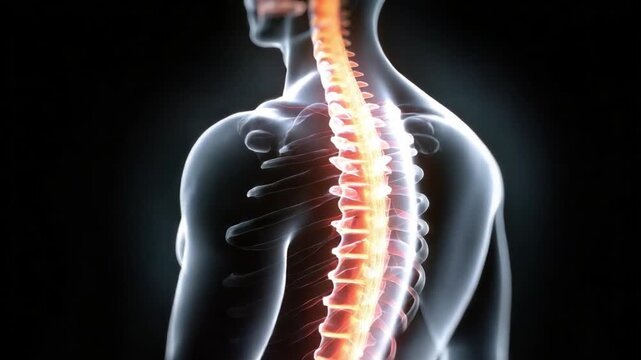
Living with constant back or neck pain can get into pretty much every part of your day. Like, you might be having trouble sitting comfortably at work, or you just can’t take part in family stuff, and the ongoing spine pain can slowly lower both your mobility and your overall quality of life. Many people do get some relief from medication, physiotherapy, or small lifestyle changes, but honestly these options don’t always work for everyone. When the pain keeps going even after conservative care, surgery might start looking like a real option.
With modern advances in spine surgery, patients don't have to depend just on the older, traditional open procedures anymore you know. Endoscopic spine surgery is a minimally invasive technique, it lets surgeons handle several spine conditions through very tiny incisions, with minimal disturbance to the surrounding muscles and tissues. This newer approach has become more popular because it often means less pain afterward, a shorter time in hospital, and a quicker recovery too.
If you are dealing with a herniated disc, spinal stenosis, or ongoing nerve pain, learning how endoscopic procedures work can help you choose more confidently. And if you’re trying to locate the best spinal surgeon in the UK, or maybe you’re already in talking mode with one of the leading spinal surgeons over there, then going through these more advanced approaches first is kind of a smart move, because it can help you zero in faster.
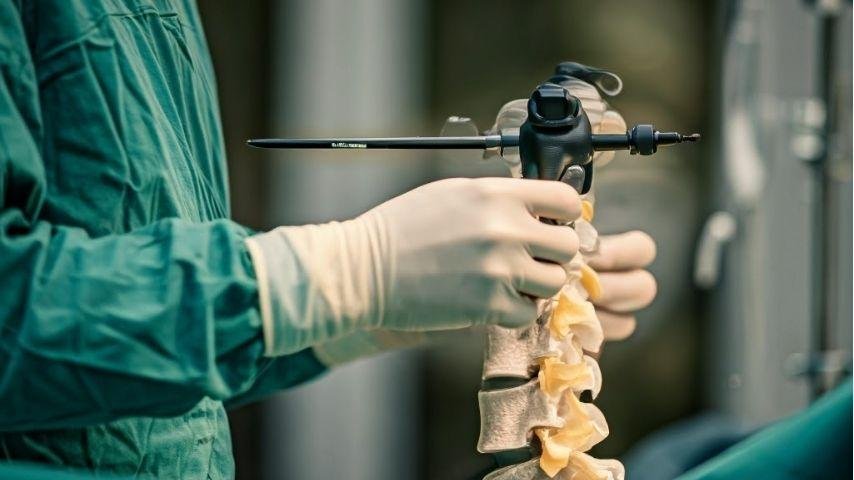
Endoscopic spine surgery kind of feels like a more advanced kind of minimally invasive spine surgery, it sort of uses a small camera an endoscope to reach the spine through This super tiny incision, like basically almost nothing really, and the whole point is to mess with less tissue than usual, not, you know, to make that whole area all worked up or something.
That camera shows a magnified high definition view of the problematic area so the surgeon can work with exceptional accuracy while also shielding healthy muscles and tissues, at least as much as possible.
Compared with classic open surgery, which often means big incisions and muscle separation, endoscopic minimally invasive spine surgery is meant to minimise tissue injury. In many cases this ends up causing less bleeding, less post operative soreness , and a faster return to normal activities.
There are also a few more advanced methods that you can use now, but honestly it kind of depends on the patient’s diagnosis and exactly where the spinal issue is located . Sometimes people say it’s straightforward , but in real life, it’s not always, you know, so the approach changes.
Full endoscopic spine surgery, sometimes people call it full endoscopic spine operation too, is done through one single working channel where the camera and the surgical instruments go in together. It is usually used for herniated discs, spinal stenosis, and nerves that are compressed, but the main idea is to keep as much healthy tissue as it can, without going too invasive overall.
Biportal endoscopic spine surgery is another minimally invasive technique, it uses two small portals. One portal has the endoscopic camera, while the other one lets the surgeon handle specialized tools and instruments. With this method you get more flexibility, and also a broader surgical view, so it tends to be suitable for dealing with more complex spinal problems or conditions.
Patients with neck pain or pain in the arm, where the cervical disc is involved, may find that endoscopic cervical spine surgery helps. It’s a specialised procedure, it eases the pressure on the nerves in the cervical spine and at the same time it avoids a lot of extensive muscle disruption, so many people can recover in a more comfortable way.
Some patients also look online for endoscopic laser spine surgery or laser endoscopic spine surgery. Even if laser technology can be used in chosen cases, the modern endoscopic approach usually depends more on advanced surgical instruments, which can offer a level of precision and control that alone relying on laser based techniques may not match.
Not every person who has back pain needs surgery , you know. A lot of spinal issues tend to settle down with non-surgical care , things like medicine , physical therapy, spinal injections, weight control, and staying active with regular exercise. Still, if those choices don’t give long lasting relief , like at all , then a spinal surgeon might suggest an endoscopic procedure.
You may be a potentially fitting candidate if you happen to experience certain symptoms like that.
Muscle weakness that comes up when a nerve gets compressed ,and that whole problem can turn into major issues even if it begins small. Difficulty walking because spinal stenosis is squeezing things, and the symptoms can come back even after earlier treatment.
A consultant spinal surgeon will carefully evaluate what you feel, your medical history and the physical examination results along with your MRI findings, before suggesting surgery. The intention is always to go with the least intrusive option available, the one that can deliver long term pain relief and gets your function back in a steadier way.
Also, if you are older or you have underlying medical conditions, you might find endoscopic spine surgery UK helpful, because the smaller incisions, and the reduced soft tissue trauma , often mean a lower chance of complications than traditional open surgery.
One of the biggest advantages in endoscopic spine surgery is its kind of versatility. Nowadays , experienced spinal surgeons can actually manage a broad range of spine disorders, with endoscopic techniques. It’s like the approach works for different problems and situations, so the outcome can be quite flexible.
A herniated disc is like one of those pretty common reasons why patients end up needing endoscopic surgery, you know. When that damaged disc presses on nearby nerves, it can set off pretty intense back pain, sciatica, or sometimes even a sort of arm pain that makes everything feel off. In the endoscopic approach, the surgeon takes out only the troublesome portion of the disc, but also keeps a firm hold on the healthier tissue, so basically the rest stays where it is and isn’t disturbed, not really.
Lumbar spinal stenosis is when the spinal canal kind of narrows and then it compresses the nerves, which is not great for your lower back. Usually it comes from age related changes or sometimes thickened tissues, so the space gets more tight, and everything has less room than it should.
People usually feel leg pain, numbness, and some trouble while walking. With endoscopic decompression there is more space around the nerves, so the annoying symptoms can ease up, usually without making big incisions . It’s sort of a smaller, more precise approach that still does the job.
People dealing with neck pain, pain in the shoulder, or numbness that shows up in the arms, may find that endoscopic cervical spine surgery helps, even if it sounds a bit intense. In general it handles injured disc tissue and nerve compression, while also cutting down on muscle trauma and supporting a quicker recovery.
Sciatica is usually triggered by a squeezed nerve, in the lower back region. With full endoscopic spine surgery, the surgeon can remove the root cause of that nerve irritation, so it can help ease the ache that seems to radiate down the leg, and you end up feeling a bit more comfortable.
As the discs wear down with time, they may start hurting, and also feel kinda unstable. In selected situations, doctors might use an endoscopic procedure to help ease symptoms, while keeping the healthy spinal structures intact, or at least not messing with them too much.
Facet joint cysts and bone overgrowth can press on spinal nerves , and then you get that mix of pain, numbness, weakness, sometimes even that stubborn feeling that won’t quite leave. With biportal endoscopic spine surgery, surgeons get a really clear look at the area, so they can take out the cyst and the overgrown bits with less disturbance to the nearby tissue and all that surrounding stuff.
Picking an experienced spinal surgeon in the UK matters a lot, because they’re the ones who can judge whether your particular problem fits an endoscopic approach. A best spinal surgeon in London, or a top spinal surgeon in London , will go through your scan results first, then check your overall condition and your treatment goals too , before suggesting the procedure that seems the most fitting.

Consultant Spinal Neurosurgeon
I am a renowned spinal neurosurgeon based in London, recognized as one of the foremost experts in this field. With years of specialized training and vast experience, I have performed countless successful surgeries, earning a reputation as the go-to specialist for complex spinal conditions. My expertise spans minimally invasive spinal surgery, treatment of spinal deformities, degenerative conditions, and trauma-related injuries.
Research and Insights
Explore a collection of our research and scholarly articles. Each publication reflects our commitment to advancing knowledge and contributing to the field.
Copyright © 2026 All rights reserved Mr. Irfan Malik