Your spine matters a lot. It helps hold up your body. It also lets you stand tall. It supports your daily movement. It also helps keep the spinal cord safe.
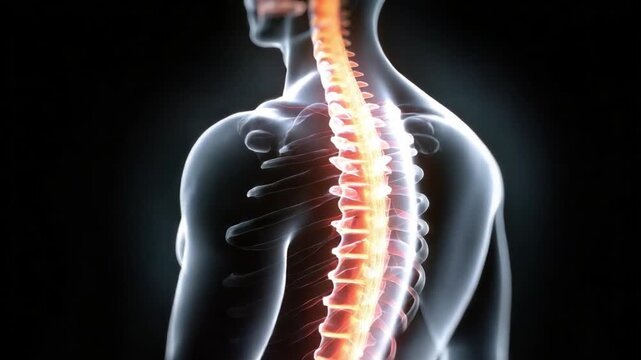
Let’s talk about the spine itself. How many bones make it up? There are 33 vertebrae. Over the years, a few of these bones may fuse into one. The spine is broken into five parts. First is the cervical area. Next is the thoracic area. After that comes the lumbar area. Then there is the sacral area. Last is the coccygeal area.
Each part has a role to play. Together, these sections help your body stay steady. They also help you move. They support your nerve system too. After some time, you might catch small shifts in how you move. Soon, it may be easier to tell why your body feels a bit different each day. You might also notice it more in how you look.
In total, it has thirty three bones. They are called vertebrae. These bones are grouped into five parts. These sections work together while having different anatomical functions.
The neck holds the cervical spine. In that section, there are seven vertebrae. They go by C1 through C7.
These vertebrae are smaller than many others in the body. Because of the size, the neck can bend and turn in several ways.
The top two vertebrae are different from the rest. C1 is the atlas. C2 is the axis. Their job is to help hold up the skull. They also let you turn your head and nod it.
Under the neck you get the thoracic spine. In this area, there are twelve vertebrae.
The doctor calls them T1 to T12.
One after another, they stand in a straight line.
They also link to the ribs.
Because of that, they support the upper and middle back.
This part of the spine also helps your body hold its posture. It covers and protects the organs in the chest.
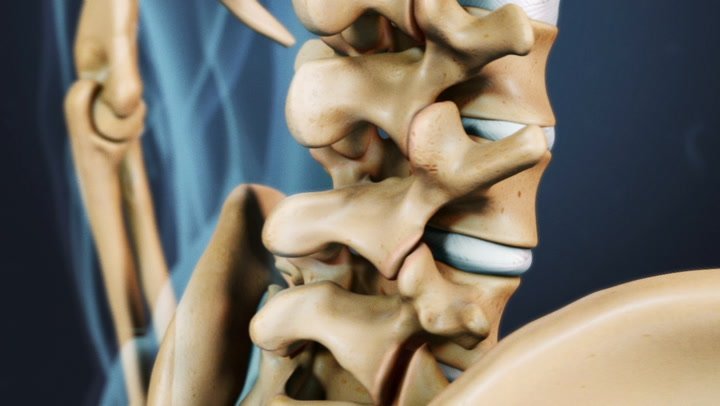
Your lower back has five main vertebrae.
They are called L1 through L5.
They take on a lot of stress each day as you move. So they are built bigger and tougher than the vertebrae higher up.
Many lower back issues show up in this same area. A person might have a disc issue. Spinal stenosis can also happen. Another option is spondylolisthesis.
The sacrum is made from five separate vertebrae at first. Later, those segments join together. They stop being separate and become one firm bone. That bone sits between the spine and the pelvis. This part also helps move load from the trunk down into the legs.
Some people call the coccyx the tailbone. It contains four small vertebrae. As you age, those bones fuse. After that, the spot does not move much by itself.
In size, it is smaller than the other parts of the spine. It still matters. It has places for multiple muscles and ligaments to connect.
All parts of the spine have their own roles. The five areas act like one set.Your neck includes the cervical spine. This part helps hold up the head. It also lets the neck move through a lot of range.
The spine in your upper back, the thoracic part, plays a role in keeping your body steady. It also links up with the rib cage.
Your lower back has the lumbar spine. It takes a big share of your body weight. It also has to work when you bend, twist, and get through daily actions, such as standing up or taking steps.
Below that, the sacrum links your spine to your pelvis. It is a solid part of the body frame.
They work like pads. The discs help absorb hits. Moving your body in usual ways can ease strain on your bones. You might see this in everyday moves. Walking feels different than jogging. Carrying items is different too. Hopping feels different as well.
Back pain can feel unlike it does in another person. It can change day to day, or even within the same day. It often depends on what spot is causing the issue. For that reason, some people see a spine doctor. Sometimes this happens when neck or back pain will not settle. Sometimes it starts to interrupt regular things.
This cover keeps the wire safe. It stops dents and small tight spots that can press into it. They protect the spinal cord. Your spinal cord is built from nerve tissue. It sends signals from your brain to the other parts of your body.
In each vertebra there is a hole. This hole is called the vertebral foramen. When one bone sits on the next, these holes line up too. In the end, they make a passage for the spinal cord. This channel is the spinal canal.The spinal cord goes right through the center.
It is not just one piece holding everything steady. The spine is more than the bones. The discs count too. The ligaments help hold things steady. Other nearby muscles also have a role. Even when things look normal, problems can still pop up.
An injury or a fracture may shift structures. Disc issues can also occur. As time passes, the tissues can slowly wear down. After that, extra force may start to affect nearby nerves.
In some cases, the pressure reaches the spinal cord too.
If the nerves get hurt, you may notice symptoms. People may notice pain. Some people also notice numbness or a tingling feeling. Weakness can happen too. Some people struggle with movement. If your symptoms are very bad, or if they seem to get worse each day, call a spine surgeon now. If you cannot get in quickly, find another licensed doctor and go as soon as you’re able.
Your back is not made to stand up in a rigid line. If you look at it from the side, you can notice gentle curves running along it. These bends do a job for you. They help you stay steady and handle everyday strain.
In the neck and lower back, the spine curves inward. In the middle back and near the tailbone, it curves outward. With this pattern, the spine can spread body weight in a smoother way. The shape of your spine supports your balance. When you stand or walk, keep your body lined up. This also applies if you shift in your chair as you work.
When you move your body a lot, even everyday routines can start to stress your back. After some time, that strain may change how the discs work. It can also wear on the muscles and the ligaments.
Your spine may end up in a position you did not plan on. Scoliosis is one example. Too much kyphosis can also shift the posture. An odd lordosis can do it as well. If your spine sits in a new way, you might feel aches. This can happen after a slipped movement or a twist.
If you strain your back, or if you set a broken bone, your body can react. Some people notice tender areas. Others notice stiffness or a pulling tight feeling. What you notice often depends on the spot that was hurt. It also depends on how severe the damage is. Your experience may not match someone else’s.
Some people only feel a dull ache. Others have sharp pain and nerve related issues. The next steps can change a lot. That depends on the type of injury. It also depends on where it hits along the spine. Another key factor is whether nerves are involved. Sometimes the spinal cord is affected too. That can shift what happens next.
A vertebra can break after a hit. It can also happen after a fall or other trauma. Some days the bones do not hold up as well. When it does, bones that are not very strong can snap more easily, even from normal wear.
If a vertebra is injured, you may notice soreness in your back or in your neck. Stiffness is common too. Some people notice less range of motion. The area can feel sore when touched. If a nearby nerve gets pressed, numbness may occur. Tingling can also happen. In some cases, weakness shows up in an arm or a leg.
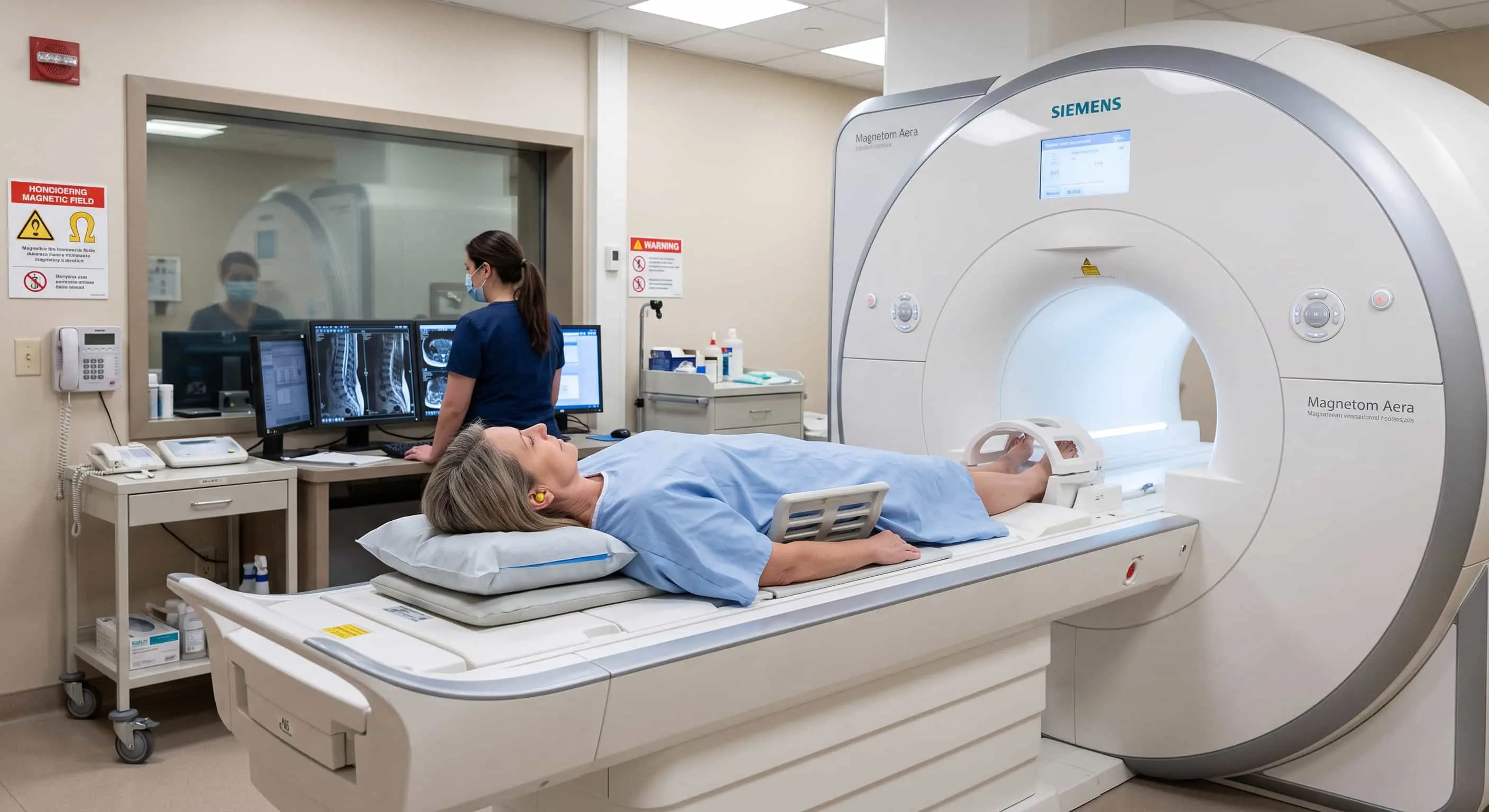
To check what is going on, clinicians may start with an exam. Imaging is often used as well. This can include X rays, MRI scans, or CT scans. The care plan depends on what is causing the spine issue. Not every problem needs an operation. Many cases improve with pain relief medicines, physical therapy, and small shifts in day to day routines. Other people may get help from non surgical treatments as well.
When symptoms are worse or do not ease, a surgeon might suggest an operation.
If surgery is being considered, patients often look for well regarded spinal surgeons in the UK. They may also look for a best spinal surgeon in the UK or an experienced consultant spinal surgeon. A good match is based on the person’s own diagnosis, symptoms, scan results, and what treatment is needed. Rankings alone are not the main factor.
You might still have neck pain. You could also feel pain in your back. Some people notice numbness or weakness too. Other symptoms can show up as well.
These problems may connect to the spine. You may want to speak with a clinician if this is truly what is going on. A clinician can review what you are dealing with. Then you can get a clearer sense of what it means for you. They can also explain what options you may have for care.
Mr. Irfan Malik offers specialist reviews for spine related conditions. He can guide patients on the next step. You might start with non-surgical steps first. Then you may need extra tests. If it does not work, you can ask about spine surgery. If you are in London, look for a spinal surgeon, or a spinal consultant, to help you.
When you check clinics or doctors, do not only look at ads. Think about what you will face during visits and treatment. Look at experience with your exact type of spine issue. Check what diagnostic checks are offered. Also note what treatments they can provide.
Best Spinal Surgeon in London can assess you as an individual. Advice like this is not the same as those “tips” that only fit whatever symptoms you found online. If you bring in a consultant in the UK, mainly in London, make sure they have worked on matters similar to yours before.

Spinal Surgeon
I am the best spinal surgeon in London, recognized as one of the foremost experts in this field. With years of specialized training and vast experience, I have performed countless successful surgeries, earning a reputation as the go-to specialist for complex spinal conditions. My expertise spans minimally invasive spinal surgery, treatment of spinal deformities, degenerative conditions, and trauma-related injuries.
Research and Insights
Explore a collection of our research and scholarly articles. Each publication reflects our commitment to advancing knowledge and contributing to the field.
Copyright © 2026 All rights reserved Mr. Irfan Malik