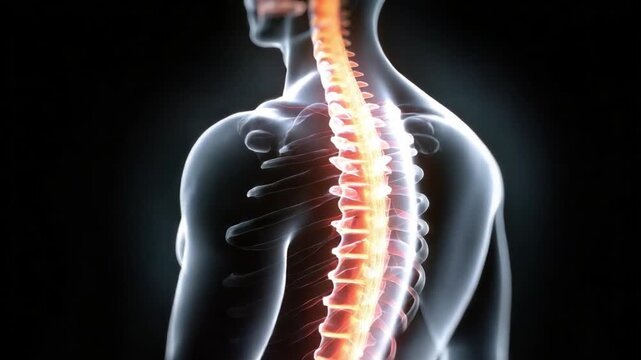
Back pain in the lower area is showing up more often these days. Many people sit for long stretches.Some people barely move. If you keep doing it for a while, it can start to bother your lower back.
If your pain keeps getting worse, or if it does not improve after you try simple home care, your doctor might suggest an MRI. The MRI helps your doctor see the area more clearly. Then it is easier to understand what is happening. Many people feel uneasy about the scan. They often fear that the results may point to something serious, like cancer.
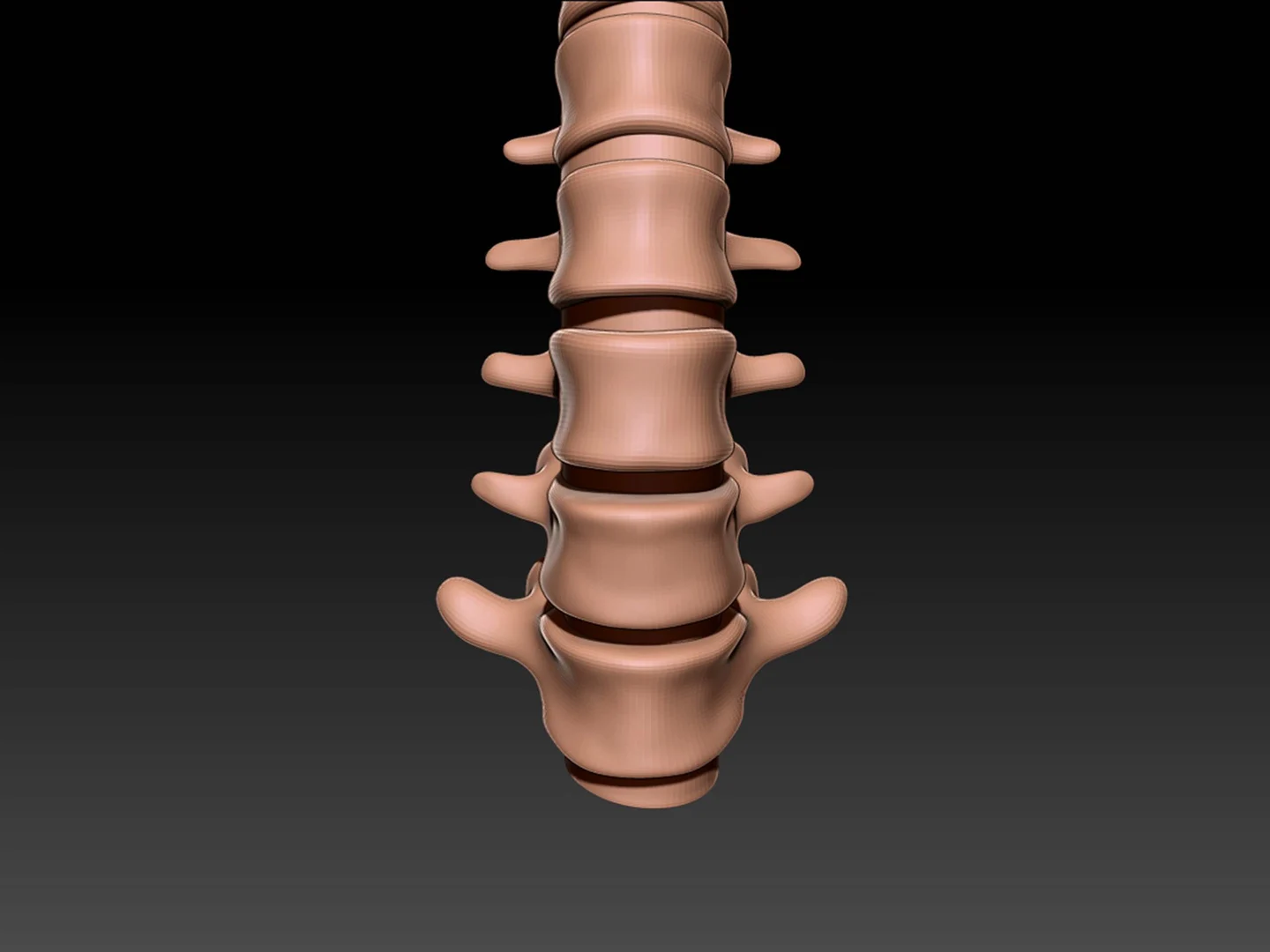
In the UK, some doctors order a Lumbar Spine MRI if they need a detailed view of the lower back.The scan gives clear views of the discs and the nerves. It can also reveal soft tissue near the spine, plus the bones in that same region. After the images are reviewed, a trained specialist might spot changes that other tests do not catch.
An MRI is helpful, but it does not tell the whole story by itself. It can only show parts that look different from the usual pattern.Those findings still have to be checked closely. A careful review is needed before any conclusions are made. This guide covers how an MRI scan works. It also looks at what the scan may show.It tells you when it is a good idea to ask a specialist for help.
A lumbar spine MRI matters to lots of spine doctors and surgeons. It helps them make sense of what is going on in the lower back.It helps clinicians view the lower back in detail.That clearer picture can help them find what is causing pain or discomfort.
This scan can show several problems.It may show up as a slipped disc. Another sign is nerve compression. Sometimes imaging points to spinal narrowing. There can also be infection, inflammation, or wear over time. This is especially relevant when a person is being reviewed for lumbar spine surgery.
Surgeons can review the spine layout before they plan a procedure.MRI scans may also reveal odd lumps or other growths in the spine. Because of this, many experienced spinal surgeons in the UK use MRI images as part of their work. The goal is a solid diagnosis and a safe plan for treatment.
When a person works with a spinal consultant UK or a spine specialist, the MRI findings are often the first major step.Once the review of the report is done, the next step is simpler to choose.
A lumbar spine MRI finds no cancer. There is no clear one-type result.What you may notice is a spot or patch that stands out from normal tissue. The look of that area can change.Some scans make it seem brighter. Others can make it seem darker, depending on the scan type.
Cancer lesions often have uneven edges. They can also involve nearby tissue. That can include bone and nerves. Sometimes the mass presses on nearby structures.When that happens, people may feel steady pain.They may also get numbness or weakness.
Still, an MRI finding is not a direct label for cancer. Other non-cancer problems can look close to cancer on a scan. That is why a careful read by a UK spinal surgeon matters. A top spine specialist in the UK can also help with this review.
A trained doctor can look at the images closely.They can then decide if more tests are needed. Sometimes they may think the finding is not dangerous.
Doctors are not always sure a growth is cancer. In some cases, even after tests, they still cannot confirm that the mass is cancer. The pictures from scans may seem worrying at first. But they cannot give the last word. Figuring out whether a tumor is cancer usually takes more tests. One usual way is a biopsy.
The doctor takes a small sample from the tissue during a biopsy. After that, the lab studies the sample under a microscope.Sometimes other tests are also used to back up the conclusion.
A spinal surgeon will not rely on MRI alone. They review the scan results with your symptoms and your past health. They also look at the extra test findings. Only then can they form a more solid view.
That is why picking the right spinal surgeon in the UK matters. Patients who see a top spinal consultant in London also get a detailed review. This happens before any plan for spine surgery is chosen.
An MRI report can feel scary right away. But not every spine result points to something bad. Many issues are mild and can improve with the right plan.
After that, doctors usually try to get a clearer picture.They may order more scans later.They might also do blood work. Sometimes a biopsy is suggested. Other times, they choose to watch the area for a while.They check whether it changes over time.
A spinal surgeon in the UK will go over what they see in a clear way.They will also walk you through the care choices that fit your case.
What you get depends on the diagnosis. Some people are advised to try medicines first.Others may benefit from physiotherapy. In some cases, an operation on the spine is considered.
If your symptoms need stronger help, lumbar spine surgery may be suggested.The goal is to ease your symptoms or fix the problem that is causing them.
Seeing a top spinal consultant or a spine specialist helps you get the right plan for your situation.
An MRI can feel scary, mainly when you do not know what the findings say. If something is confusing or you cannot make sense of it, ask a clinician. Checking in sooner can make things easier and give you more clarity. Delays may let symptoms get worse in some cases. It can also bring on added problems.
You may want to see a specialist if your back pain does not ease.This can also happen with numbness or weakness. If your MRI report says something that seems unusual, do not wait to have it looked at. A short review can help confirm what the issue is. It may also help start the right care in time.
Mr. Irfan Malik is a consultant spinal surgeon with long experience. He is well known in the UK for his work in spine surgery. Many patients ask him to review MRI results. They also come for help with treatment plans.
If you need a spinal doctor in London, finding the right one matters. A good spine specialist can guide you step by step. With the right input, things often feel easier to sort out.
Picking the right doctor for your spine can change how you recover. A good clinician will help you figure out what is going on.Then you get a treatment plan that matches your situation.
Irfan Malik has spent years working with people who have spine issues. He assists patients with spinal problems and helps them plan their care.If you feel unsure about what your MRI scan is saying, he explains the results in clear terms. When lumbar spine surgery comes up, he reviews what comes next so you know what to expect.
Many patients in London search for a spinal consultant London or the best spinal surgeon London. They want someone careful and well trained. A strong spinal consultant supports you from the first checkup to the recovery period, not just one part of the process.
It can spot growths that look unusual. More tests are still required to be sure it is cancer.
MRI can show soft tissue in a lot of detail. That is why it often works better than several other imaging options.
Meet a spine surgeon or another spine expert.Have them walk you through the findings.Ask what the results mean for your case.Then discuss what you should do next.
Some results do not point to anything bad.In many cases, doctors can watch them or treat them if needed. Serious worry is not always required.
A consultant spinal surgeon or spinal consultant UK is best qualified to analyze and explain MRI findings.

Consultant Spinal Neurosurgeon
I am a renowned spinal neurosurgeon based in London, recognized as one of the foremost experts in this field. With years of specialized training and vast experience, I have performed countless successful surgeries, earning a reputation as the go-to specialist for complex spinal conditions. My expertise spans minimally invasive spinal surgery, treatment of spinal deformities, degenerative conditions, and trauma-related injuries.
Research and Insights
Explore a collection of our research and scholarly articles. Each publication reflects our commitment to advancing knowledge and contributing to the field.
Copyright © 2026 All rights reserved Mr. Irfan Malik