They said you need a complete spine MRI. A lot of people ask how long the MRI scan takes. This scan looks at the neck, the mid back, and the low back. Because it looks at multiple areas, the visit usually lasts more than a test that checks just one area.
Most people are in the scanner for about 45 to 90 minutes. The timing can change based on the MRI system and what your team is checking. It can also depend on whether you need contrast. Your ability to stay still matters too. You will be told the steps and the timing before your appointment at the imaging center.
An MRI of your entire spine uses a strong magnet plus radio waves. Together, these create clear images of the structures inside your spine. An MRI uses no ionizing radiation. It creates pictures in a way that is not the same as X-rays or CT scans.
Right before the scan, staff may ask you to remove metal. They might ask you to take off rings and bracelets. You may also need to remove watches. Belts and other metal items could be taken off too. They can affect the magnet.
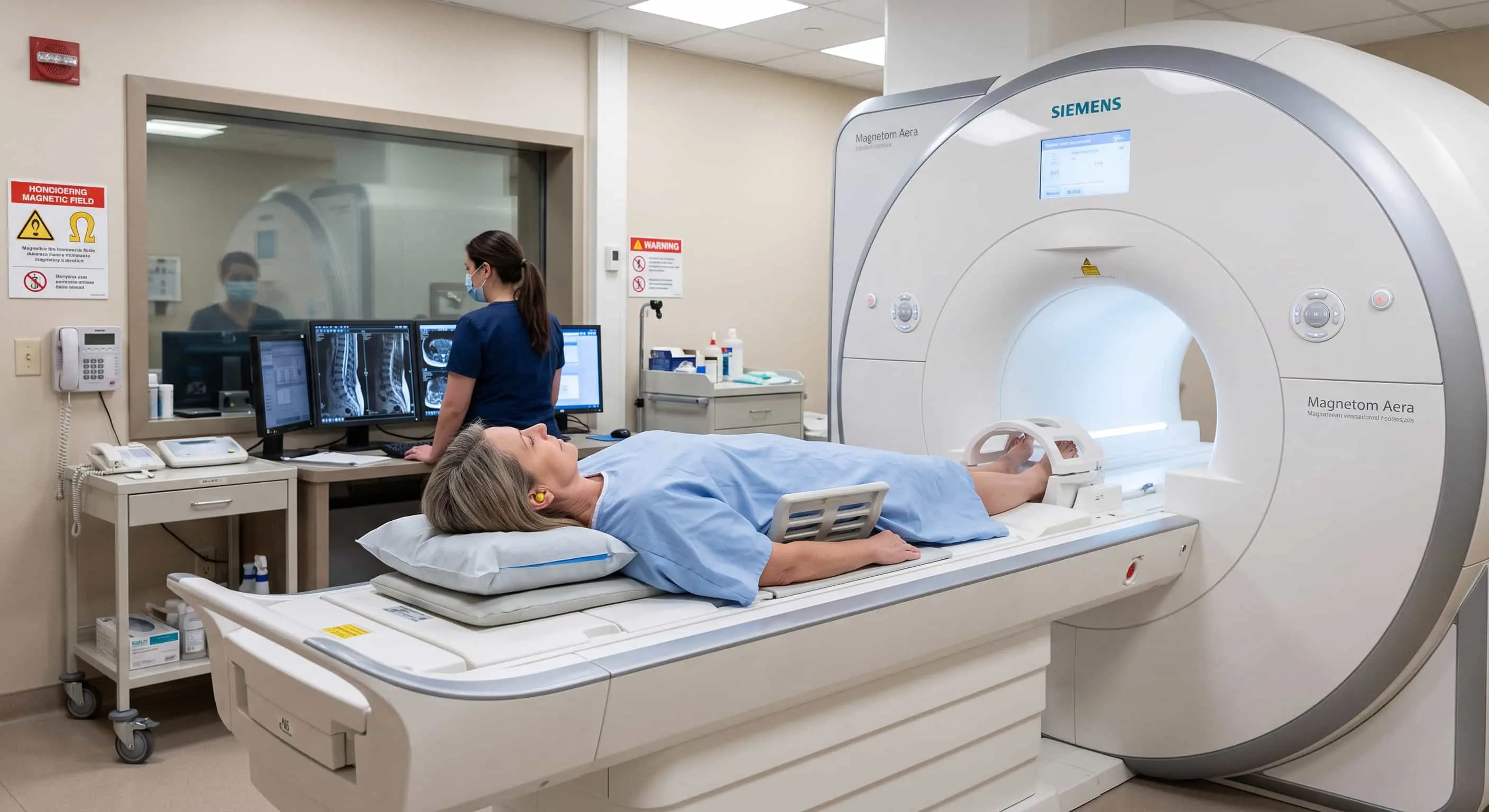
You might be told to change into a hospital gown. Then you will be asked to get onto a padded table and rest there. That table can move while you are there. The table then slides into the MRI scanner. Many scanners look like a long tunnel. When the scan begins, try to relax. Keep still as much as you can. Tiny shifts can make the images less sharp.
While the scan is going on, you might hear loud knocking. You could also notice thuds. Sometimes there is just a steady buzz. Some places offer headphones. Others may give ear plugs. The radiographer will speak with you while the scan is running. There is also an emergency call button in the scanner area in case you feel uncomfortable.
The full scan is usually done in sections. The team takes images from different levels along the spine. That is why the session can take longer than an MRI. A scan that looks at just one spot often ends faster.
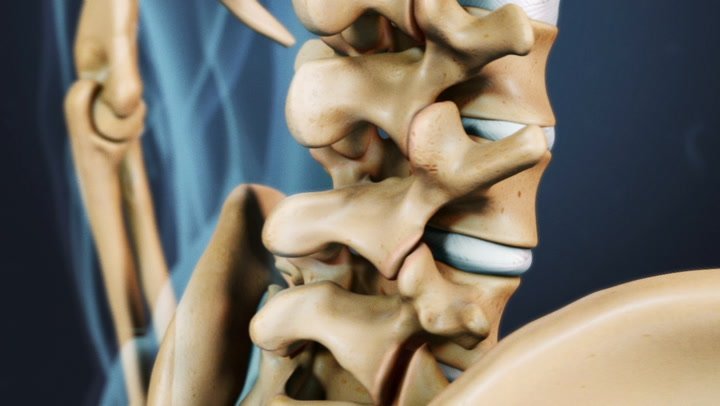
A whole spine MRI usually takes longer. The scan includes a big area, so there is more time needed. The spine is more than one single piece. It has the neck area, which doctors call the cervical spine. It also includes the upper and middle back, or the thoracic spine. Then there is the lower back, known as the lumbar spine.
For each part, the team has to take many images. They use different views and different scan settings. The goal is to get sharp, clear pictures of the bones in the spine and the discs. They also need good images of the spinal cord and the nerves. Soft tissue near the spine is included too.
So, a whole spine MRI can take about 45 to 90 minutes. Some people finish a smaller scan sooner. Still, the timing does not match for everyone.
The scan time may also stretch out. This might happen when extra pictures are needed. It can also happen if the contrast dye is part of the scan. Sometimes it is hard to hold still during the process. Children, and also adults who get very anxious in small rooms, may need more support. Sometimes they give a sedative.
The main aim is not to rush through the scan. Clean scans can help your spinal surgeon in London figure out what may be causing your symptoms. Then they can decide the next step.
Not all whole spine MRI scans use contrast. The need for contrast depends on what symptoms you have, your past medical issues, and the goal of the scan.
Contrast is a fluid that can be given into a vein. It helps highlight some tissues and spots on the MRI images. A doctor who reads scans might suggest it if the case needs extra detail. They could look more closely for tumors, infections, signs that tissues are inflamed, or changes compared with an earlier operation.
If contrast is used, the appointment may take more time. This is because a small IV line is placed first. Then extra images are taken after the contrast is given.
Your clinician decides if contrast is needed. They base this on why you are getting the MRI. You should also mention any past reactions to contrast. Also tell them about kidney issues.What other health issues might matter here?
Getting ready is usually easy. In most cases, you can eat and drink as usual. Only follow the rules from your imaging centre if they say otherwise.
Before you go in, you must mention anything metal or electronic inside your body. This can involve implants like pacemakers or cochlear implants. It also includes any metal bits that may have stayed after an old injury. Some items need extra checks before the scan.
Pick clothes that sit well on you. Choose things that feel comfortable on your body. Follow what your imaging centre hands you. Please remove metal items before the scan. Take out any metal pieces before you scan. Remove any metal items you have.
If a room feels tight or enclosed and you start to feel off, let the staff know right away. Do this before the MRI begins. The radiographer will guide you through the steps. Follow their instructions as they go. If you need help with nerves, let them know. They can assist you. While the scan is running, please try not to move. Movement can blur the images.
After your scan, a radiology specialist looks at the MRI images. They write a report with what they see. The report goes to the clinician who requested the scan.
How quickly you receive the results can vary by the hospital or the imaging clinic. Some people hear back sooner. Others have to wait a few days.
Your clinician will review the MRI results together with your symptoms. They also consider your physical exam and past medical history. An MRI picture by itself does not always explain pain. Many people have disc or wear related changes but feel little or nothing.
If the MRI suggests a spinal issue that might need extra care, you may be referred on. You could be sent to a spinal surgeon or a spine specialist for more checks.
If you see a best spinal surgeon in London, you can go over your MRI findings with them. They can walk you through what the scan is showing and what it could mean for you.
They can also help you sort through options. That may include physical therapy, pain tablets, shots, or surgery. It depends on what is going on with you. A weird result on an MRI does not always mean you will need an operation.
If you have pain in your back or neck and someone suggested a full spine MRI, it can help to talk things through with a consultant spinal surgeon.
You can meet Mr. Irfan Malik to discuss what you feel, go over your MRI results, and hear what treatment choices may fit your case.
Some people are also looking for the best spinal surgeon in London. Others want specialist guidance about their spine. A full medical exam may help you decide with more confidence.
When you compare surgeons, check what they have already done. Also look at their spine training. Then ask how they plan to handle your case. How do they know what I really need before they start a plan?

Spinal Surgeon
I am the best spinal surgeon in London, recognized as one of the foremost experts in this field. With years of specialized training and vast experience, I have performed countless successful surgeries, earning a reputation as the go-to specialist for complex spinal conditions. My expertise spans minimally invasive spinal surgery, treatment of spinal deformities, degenerative conditions, and trauma-related injuries.
Research and Insights
Explore a collection of our research and scholarly articles. Each publication reflects our commitment to advancing knowledge and contributing to the field.
Copyright © 2026 All rights reserved Mr. Irfan Malik