
A sore spot close to the butt can make simple days feel hard. Pain might start right away when you sit. Walking can feel odd at times. It might seem like your feet do not line up. You could notice it more when you squat to pick something up.
It can also show up when you reach down and move your hand toward the floor. For some, the issue only becomes clear after they pause and stand still for a bit. Other people feel a steady ache that hangs around. It does not fade quickly. A few people describe a burning or sharp hot sting in that area. A few notice a sharp stab. It can be only on one side of the buttock.
A lot of people assume sciatica must start with pain that runs all the way down the leg. That is not always the first thing you feel. Pain can begin in the buttock.It could stay there for quite a while. Then it may spread.
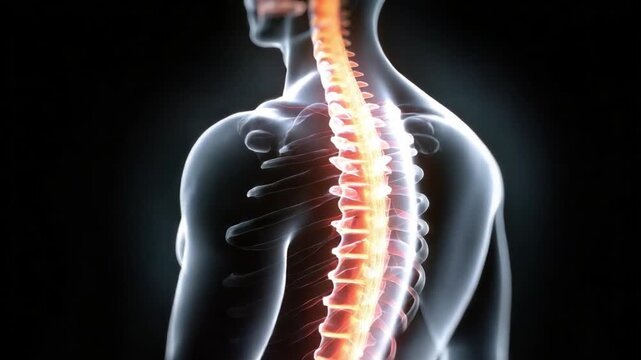
Sciatica can start when the sciatic nerve gets irritated. It can also begin if a nerve root near it gets pressed.That nerve runs down from the lower back into the leg. It is the biggest nerve in your body. It begins in the low back. Then it runs through the buttocks.
After that, it continues down into the legs. Problems in the low back can start with pain in the butt first. This is something you can experience after some time in the legs. If the pain continues and increases, there is the possibility that seeing the doctor would be the right move.
If you find that the pain is affecting your daily activities, you need to schedule an appointment too. If you cannot do your normal tasks, get help. A spine surgeon, or another spine clinician, can look at what is happening.They will know what steps you should take.
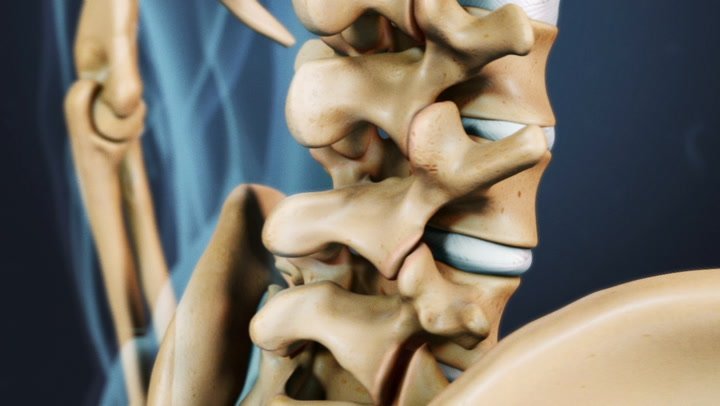
It is often felt as a sore point there.It can feel like sciatica. Usually it points to an issue in the lower back.Spinal discs lie in between the vertebrae of the spinal column. They are comprised of soft tissues whose primary function is to keep the spinal column stable yet flexible during movement.
Any irritation to the disc or any type of injury will cause pressure on the nerve. This pressure will cause pain, and in some cases, it develops suddenly. It feels sharp, and you may feel it is coming from the nerve itself.
That nerve pressure can also make the pain show up in your buttocks. When that happens, the pain can start in the buttock. It can then travel toward the hip. From there, it may move into the thigh or even the leg.
Another common reason is lumbar spinal stenosis. In this condition, the spaces inside the spine narrow. When that happens, nerves face extra pressure. Some folks get soreness around the backside. In certain cases, they also notice tingling or a numb kind of feeling. Some people even notice weakness. For many, it gets worse after they stand too long. Walking for a while can also make it flare up.
Sciatica can start in other ways too. One cause is spondylolisthesis. With that issue, one small bone in the spine shifts forward over the one below it. That shift can squeeze nerves and trigger symptoms. With time, your spine can wear down. That can also shrink the openings where nerves pass.
If the space gets smaller, sciatica symptoms may feel more intense. Muscles that stay tight can make it hurt more too. Swelling in the lower back and near the buttocks can add to the problem.
That is why it helps to pin down the true source of the pain first. Then you can begin a focused sciatica plan.
It often starts on only one side. That said, some people feel it on the other side first. It does not have a universal appearance. For some, the pain comes on fast. It may feel sharp when it starts. For others, it comes in more slowly. Even if the first signs seem similar, people still talk about it in their own way.
Some people first feel it in the butt. Others describe it as sharp, like a quick hit. Another person might call it a hot or burning sensation. Some people even say they feel both kinds at once. Still others describe the pain as a deep ache. A few people compare it to an electric jolt.
The pain can shift as time goes on. It may start in the buttock and then run down the back of the thigh. In some cases it continues into the calf. It can even reach the foot. Some notice tingling or a prickly feeling. Others feel numbness, or they say the leg feels less strong.
A few movements can bring it on or make it worse. Sciatica usually begins on one side, at least in the early stage. It can look different depending on the person. For some, there is a fast, sharp ache in the butt. Others describe a hot or burning kind of pain, sometimes as one feeling and sometimes as both.
Still others describe the pain as a deep ache. A few people compare it to an electric jolt. Leaning forward or lifting something can increase the pain, depending on the cause.
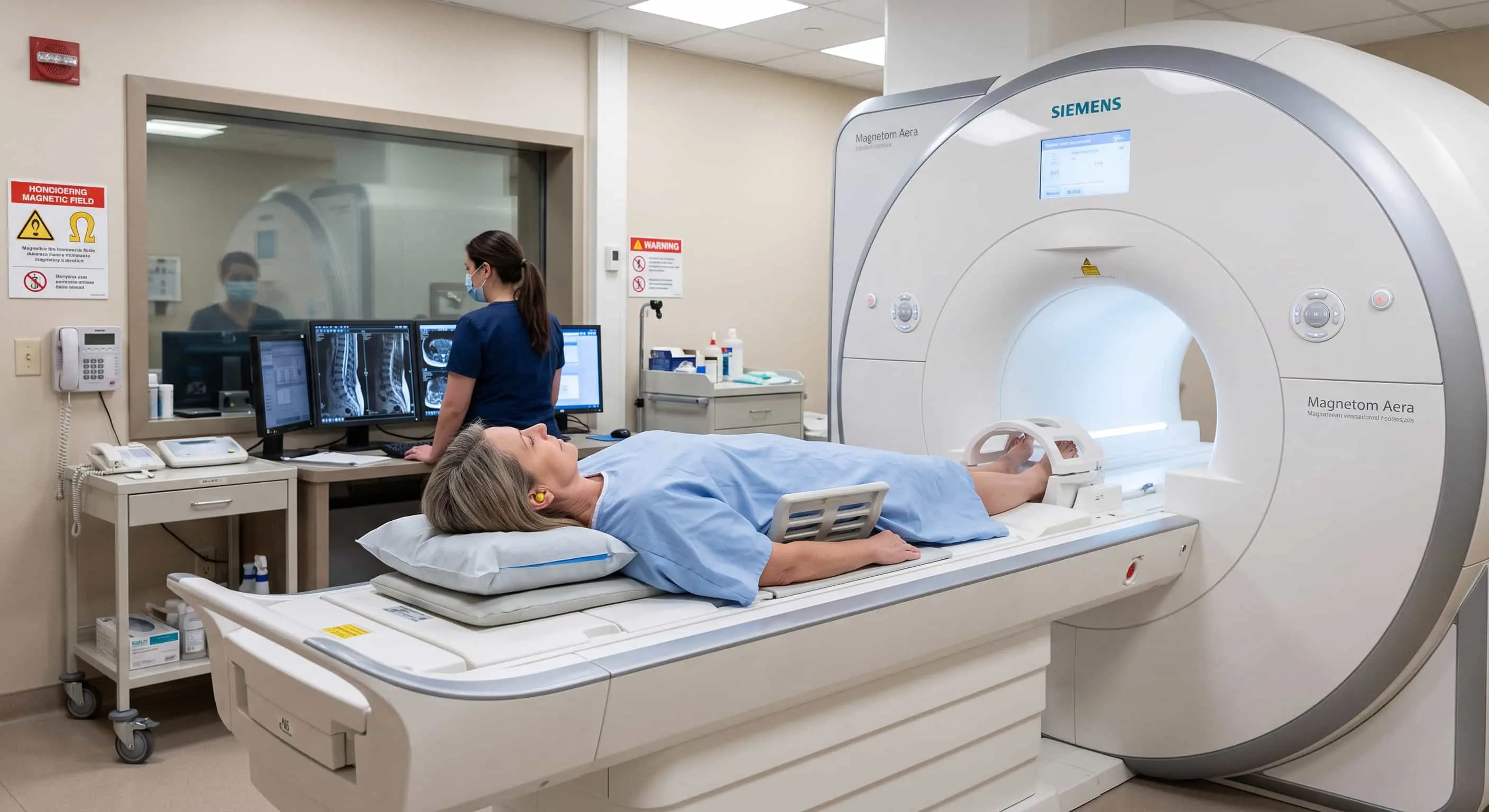
Not every case of buttock pain is sciatica. A spine specialist will review your symptoms and your medical background. They will also do a hands-on exam. If it seems necessary, they may ask for imaging, like an MRI, before they decide it is sciatica.
Getting help early can be useful. This matters more if the pain does not ease with rest. It matters when it starts to slow you down in day to day things.
You might feel pain that sounds like sciatica. Still, the reason behind it can differ. One possible reason is piriformis syndrome. With this issue, the piriformis muscle in the buttocks can press on the sciatic nerve. Sometimes it rubs against the nerve too.
A different cause can be the sacroiliac joint. Pain may begin there and then spread. That joint can cause soreness in the buttock and the lower back area.
Sometimes the hip is the issue. It can also come from muscles. For example, a strain may be involved. Some tendon problems can also be part of it. A few sports injuries can lead to pain that feels similar to sciatica.
There is also another path. Low back pain can seem like it starts in the buttock. This can happen even when leg symptoms are mild or barely there.
Many different problems can feel similar. It’s hard to name the exact source if you don’t have help. A spine surgeon, or a doctor who deals with spine problems often, can review your symptoms and point to where the pain is truly starting. The next step also matters. Sciatica treatment should match the real reason it starts. When the cause changes, the plan has to change too.
Many people find sciatica gets better without any operation. Getting started is not hard. Take your time. Keep going without stopping. Stay steady and follow through.
If a move makes the pain jump fast, do not keep doing that move. Stop and change it. Most people cannot lie in bed for hours and still expect their nerves to settle quickly.
A physiotherapist may give a short set of simple moves. The aim is often to loosen tight spots, wake up the support muscles, and reduce strain on the sore part. What plan you get can vary, since the cause of your symptoms is not the same for everyone. Because of that, it helps to use a programme made for you, not random drills from general advice.
Sometimes other steps are used as well. This can include more physiotherapy work, changing how you do daily tasks, and pain relief medicine when a clinician says it is fine. Sometimes a doctor will recommend shots at set times.
If nerve pain or pressure is severe and it does not improve with regular treatment, you may be referred to a specialist. Then they can review possible surgery. Based on the diagnosis, they may talk about decompression or a less invasive spine procedure.
Surgery for sciatica is usually saved for people who truly fit certain needs. This includes ongoing symptoms, clear nerve compression, worsening weakness, or symptoms that do not improve enough with non-surgical treatment.
The aim of current sciatica care is more than pain control. The focus is to deal with the cause when possible, so people can get back to normal daily activities.
If your sciatica does not ease up after you do proper self care, book a visit with Mr. Irfan Malik. If the pain keeps coming back, don’t wait. Make an appointment sooner. Call for help if it starts to change how you move, how you sleep, or how you handle your work. Also call if it makes regular daily tasks harder to manage.
Getting checked can clarify what is behind the issue. An exam can explain the cause. The issue might involve a disc. It could also be spinal stenosis or spondylolisthesis. It might be a different issue. The point is simple.It can be numbness or weakness that does not go away. If the pain begins in your back and then moves down your leg, take note. This might be a sign you should not ignore.
If you suddenly cannot hold urine or stool, get help now. Do not wait. If numbness shows up in the groin, or on the inner part of your thighs, act fast and seek care today.
Call for medical help right away if your leg feels weak and the weakness grows fast. Also call if the pain suddenly turns severe. These changes can mean serious nerve pressure.
If you are searching for a spinal surgeon in London, pick someone who has strong experience. That can help you understand your condition and the treatment choices you have. If you are looking for a spinal surgeon in the UK, do not only go by what sounds familiar.
Try to see how well they work in person. You want a doctor who checks the problem in a careful way. They should also explain your options in plain terms. Above all, the plan should focus on your health and what you need.
A sore spot in the butt can feel alarming. It is worse when the pain shows up again and again. Each time it returns, it can make you worry. It may also connect to sciatica, and the cause is not always clear at first. Seeing a Spinal Consultant in the UK can help you sort out what might be going on and decide if you need more checks.
Mr. Irfan Malik offers expert reviews for spinal problems. He can talk with you about what fits your own symptoms and your diagnosis. Some issues settle with non-surgical care. Other cases may need a discussion about spine surgery. Either way, a tailored assessment matters.
When you are looking for the best spine surgeon in London, it helps to get clear advice first. A good spinal surgeon can guide your choices. It might help to talk with a spinal consultant in London before you make your next move.

Spinal Surgeon
I am the best spinal surgeon in London, recognized as one of the foremost experts in this field. With years of specialized training and vast experience, I have performed countless successful surgeries, earning a reputation as the go-to specialist for complex spinal conditions. My expertise spans minimally invasive spinal surgery, treatment of spinal deformities, degenerative conditions, and trauma-related injuries.
Patients Success Stories


I would like to express my sincere gratitude to Dr Irfan Malik and his outstanding team for the exceptional care I received before, during and after my revision discectomy surgery. After everything I had been through, I was understandably anxious about undergoing another surgery, but from the very beginning I felt that I was in safe and capable hands. Dr Malik took the time to explain everything clearly, listened to my concerns and gave me confidence throughout the whole process. I am incredibly happy to say that the surgery went very well. My recovery has been so much better than I could have hoped for, and most importantly, I am now pain-free and able to enjoy everyday life again. I cannot thank Dr Malik and his entire team enough for their professionalism, expertise, kindness and support. I will always be extremely grateful for what they have done for me. Thank you, Dr Malik, and the whole team, for giving me my quality of life back. I would wholeheartedly recommend them to anyone who is considering treatment.
Great personal care! Ensuring I had the best possible outcome.
Mr Malik was wonderful, he has paid attention to my symptoms and explored through tests how he could best help me with a plan for every outcome. He identified the damaged nerves that had plagued the last 40 years of my life and used pioneering surgery to obliterate the nerve endings. Recovery began immediately…. And although I have a long way to go I know so am in safe hands
Exceptional care — truly life-changing I recently underwent spinal decompression surgery with Dr. Irfan Malik (Neurosurgeon), and I am deeply grateful for the outstanding care I received. From our very first consultation through the operation and immediate recovery, Dr. Malik was professional, reassuring, and thoroughly attentive. He explained the procedure step by step in clear, easy-to-understand terms and patiently answered all of my questions — which made me feel confident and well-informed before going into surgery. The operation was successful: I experienced relief from my nerve pain straight after the surgery. Aside from normal post-surgical discomfort, which resolved within about a week, my symptoms improved dramatically and my recovery has been smooth. Dr. Malik’s bedside manner is warm and empathetic. He communicated in a friendly and respectful way, and I always felt heard and cared for. His skill and attention to detail were evident throughout the whole process. I wholeheartedly recommend Dr. Irfan Malik to anyone seeking a knowledgeable and compassionate neurosurgeon. His combination of technical excellence and genuine empathy made a real difference in my recovery - CATHIRAVAN ILANGOVAN
⭐️⭐️⭐️⭐️⭐️ I recently had a microdiscectomy at L5/S1 with Mr Malik and couldn’t be happier with the outcome. His professionalism, warmth, and expertise put me completely at ease throughout the process. I felt fully supported throughout and had absolute trust in him and his team. I’m very grateful for the care I received and would recommend Mr Malik without hesitation.
Research and Insights
Explore a collection of our research and scholarly articles. Each publication reflects our commitment to advancing knowledge and contributing to the field.
Copyright © 2026 All rights reserved Mr. Irfan Malik