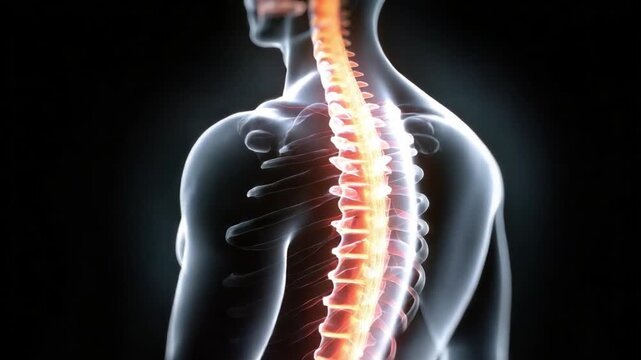
Spinal osteoarthritis is common. It tends to appear as people age. The issue begins when the smooth cartilage in the spine joint spaces wears down over time. As this happens, many people notice new discomfort. They may also feel stiffness. Motion can become more limited. For some, the signs are mild and come and go. For others, daily routines can become difficult.
Knowing where spine osteoarthritis is heading can help. If you catch it early, you can begin the right care sooner.That can also lower certain risks. In the UK, a spinal surgeon or a trained spine doctor can examine you and go over findings with you. A care plan can be set up for your own needs.I want this to make your day feel easier. This is for when you want to worry less. It’s here to help you feel more steady. It helps you keep your focus each day.
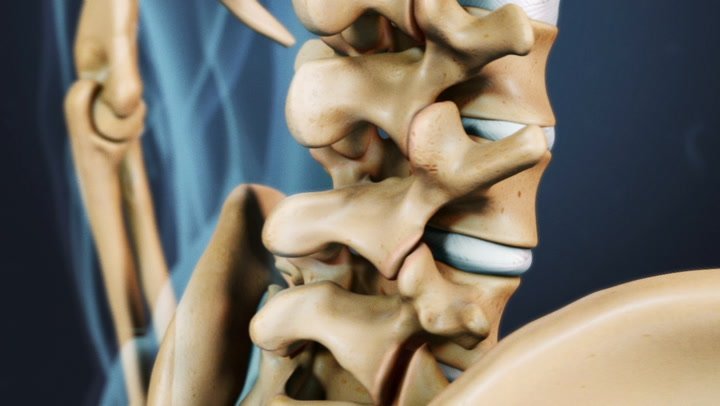
Spinal osteoarthritis often appears years after the usual, everyday wear and strain. Sometimes it starts long after the first signs of wear. As people get older, the body does not keep joint tissue the same way. The area around the joints can change. It also becomes less strong. Over time, the cartilage gets thinner little by little.It can look rougher instead of smooth.When there is less cushion, joint surfaces may begin to rub. They scrape against each other. That rubbing often brings pain. It can also cause swelling. In some cases, the body grows extra bone. These growths are commonly called bone spurs.
Age is not the whole story. Other issues can also play a role in spinal osteoarthritis. Prior injuries to the spine can matter. Bad posture can be one cause. So can uneven shoulders or slouching. If you do the same motion over and over, that can raise the risk too. Being overweight may play a part as well. If it runs in your family, your odds can be higher.
Some jobs make this more likely. People in physical work that is hard on the body may get it more often. Long hours sitting can also raise risk.
In the UK, an orthopedic consultant who focuses on the spine may review these points with the patient.They will look at the possible reasons for the issue.Then the clinician can choose a care plan that matches the situation best.
Some people notice back pain more often than others. Some people first feel only slight stiffness. Some folks say they have a constant, flat ache. They compare it to the tired soreness you feel after using a limb too much every day.
For a lot of people, it ramps up after they stay seated for a while. If you do not move, the ache seems to hang on longer. Once the pain begins, it can linger. Then, over time, it may be harder to ignore or dismiss it.
A lot of folks have on and off pain in their back or neck. It comes back again and again.They also notice they can’t stay as flexible as before.Morning stiffness is something many people mention. For some, there is also a pins and needles feeling, or numbness. Those nerve symptoms can start when a joint puts pressure on a nearby nerve. That pressure may also cause weak muscles.
When things get worse, the pain may jump up during walking, bending, or simple chores. If someone stays active for a long time, the pain may also feel stronger.After a while, routine work can start to feel heavy. It can also make it harder to move as much as you want. Seeing a spine doctor can help you sort out how bad it really is. A top spine surgeon in the UK may guide what treatment could fit best.
Spinal osteoarthritis can worsen when nearby nerves start to get irritated.It can also worsen when moving each day becomes tough.
With time, the cartilage that is worn down can leave the joints feeling irritated. You might notice more pain and tenderness too. Sometimes bone spurs grow too. When all of this adds up, the space inside the spine can shrink. Less space can mean more pressure on nearby nerves.
When nerves get involved, pain can hit fast and feel very strong. Others notice dull aches that move into the arms or legs. Some also develop weakness. After some time, even little tasks feel tough. After walking for a while, I feel worn out quickly. If I stay standing or sitting in one place, I start to feel sore. If I bend down or lean forward, the pain can flare up fast.
If spinal stenosis is not handled, it may keep getting worse. Over time, the room inside the spinal canal can shrink. When it reaches that point, people in the UK often try to get medical help. They often make an appointment with a spinal surgeon or a well known spinal consultant. They do this to stop the problem from moving further ahead.
Spinal osteoarthritis tends to creep along. For many people, fresh symptoms can show up as time passes. Other symptoms you already had may also feel more intense later on. This often happens when the condition is not managed. The speed of change is different from person to person. Daily routines matter, along with other health problems. It also depends on whether treatment helps.
If you do nothing, the cartilage can wear down more. Then the pain may get worse. You may also feel more stiffness. Over time, moving can start to feel harder too.That said, getting help early can still help some people.A spine doctor, or a surgeon who focuses on the spine, can help map out your care and may slow how fast things get worse.
Little choices each day matter. If your weight stays in a healthy band, your joints often feel less stressed.You can also try light motion each day. Take short walks or do easy stretching to stay moving.Good posture is another key point.You may also benefit from regular reviews.If you see a spinal consultant in London, or a top spine specialist in the UK, you can monitor your symptoms closely. They might adjust your plan if something changes.
Spinal osteoarthritis care usually ends up with two main things. First is how bad the joint damage looks. Second is what the person says it feels like day to day. Many clinicians start with steps other than surgery.
Often this first step includes medicines for pain and drugs that lower inflammation. Physical therapy is also common. It can build strength and help the spine move more easily. A plan with exercises made for the back can help ease stiffness over time.
If symptoms are worse, doctors may add steroid injections. These are used to calm down inflammation and reduce pain. When these slower options do not help enough, then surgery can be discussed.
A spine surgeon checks the results first. Then they decide what to do. The final plan depends on what is driving the problem. The goal is to ease pressure on the nerves and improve steadiness.
People who see a highly rated spinal surgeon in London should get a care plan made for them. The focus is on quick relief at first and then steady recovery later.
Picking the right spinal doctor matters a lot for spinal osteoarthritis. A skilled surgeon can figure out what is going on and suggest care that fits your case. Mr. Irfan Malik works as a consultant spinal surgeon. He has a long track record with spine problems. A lot of people in the UK remember him for the way he looks after patients.
Even if your pain is not strong, it is worth getting it looked at.If your symptoms start to feel much worse, you should speak with a spine doctor.Many people look online for the top spine consultant in London when they need direct advice. Others search for a spine consultant in the UK for the same reason.
A good spinal consultant stays with you from the first checks to the treatment plan and then the recovery phase.You can get support at every step.So you can deal with the issue yourself.
The first signs may look small. After a while, they can feel intense and quick. After a while, it might feel harder to walk or move. You could also notice changes in how your nerves send signals to your body.
There is not a complete cure right now. Still, getting the right support can ease the symptoms. Once the right care plan is picked, a lot of people notice they feel better.
If your back or neck hurts a lot and it does not feel better in about two weeks, you should see a spine doctor. If the pain makes it hard to handle your normal day to day work, do not wait. Get help sooner.
Some cases do not need an operation. If your symptoms start to worsen, your doctor may adjust the care plan you are using.
In the UK, a lot of patients get referred to a consultant who deals with spine surgery for this issue.They check what is happening.They also oversee the care plan for the problem.A spine specialist can do a similar job too.

Spinal Surgeon
I am the best spinal surgeon in London, recognized as one of the foremost experts in this field. With years of specialized training and vast experience, I have performed countless successful surgeries, earning a reputation as the go-to specialist for complex spinal conditions. My expertise spans minimally invasive spinal surgery, treatment of spinal deformities, degenerative conditions, and trauma-related injuries.
Patients Success Stories


Mr Malik was wonderful, he has paid attention to my symptoms and explored through tests how he could best help me with a plan for every outcome. He identified the damaged nerves that had plagued the last 40 years of my life and used pioneering surgery to obliterate the nerve endings. Recovery began immediately…. And although I have a long way to go I know so am in safe hands
Before surgery, I was in severe pain caused by a large L4/L5 disc herniation. I cannot recommend Irfan Malik highly enough. From the initial consultation, I felt reassured that I was in expert hands. He clearly explained all treatment options and the likely outcomes, and in my case, surgery was the most appropriate path forward. Although the operation was already scheduled, I experienced a sudden and severe flare-up 3 days beforehand. I felt a “pop” in my back that left me barely able to stand or walk beyond the bathroom. I was admitted to hospital earlier than planned, and Mr Malik was willing to come in and operate late on a Friday evening if needed. This meant a great deal to me. Mr Malik performed an endoscopic discectomy and found that the nerve was severely compressed and inflamed. The result was immediate. I woke up with complete relief from the leg pain, and within days I was walking comfortably again. The only way I can describe it is like having a splinter removed. Waking up pain-free felt surreal, but it was real. My recovery has exceeded all expectations. Four weeks on, I feel completely back to normal and have started physiotherapy. Throughout the entire process, Mr Malik was calm, clear, and highly professional, which made a very difficult situation much easier for both me and my partner. I would also add that Fortius Clinic, where the procedure took place, was outstanding. The level of care and comfort was exceptional, more like a five-star hotel than a medical facility. I, along with many others, owe Mr Malik a debt of gratitude that is hard to put into words.
Mr Irfan gave me confidence in his ability to successfully resolve my issue and delivered as promised (cervical spine disc replacement).
Absolutely wonderful service from start to finish. The care was seamless. Dr Malik and his team took great care of my delicate spinal surgery with outstanding outcome and it’s only been a week! I had Rt foot drop with lack of function and sensory impairment for several months before surgery. I have got sensation back in my Rt lower limb and no doubt will regain function as well. This was unimaginable just a few months ago- it’s truly astonishing to have noticed such a difference…testament to excellent surgery done by Mr Malik and his team! Mr I Malik was thorough, patient and explained things and nothing was too much trouble. He checked in at regular intervals to make sure things were progressing well and I can only say I can barely contain my delight!! Mr I Malik is a true gentleman with exemplary bedside manners and goes without saying being highly skilled at what he does!! Thank you SO SO much for your first class care! Will always be grateful 🙏🏽 🙏🏽
Excellent spinal surgeon who has given me back painfree mobility - would recommend to anyone needing lumbar decompression!
Research and Insights
Explore a collection of our research and scholarly articles. Each publication reflects our commitment to advancing knowledge and contributing to the field.
Copyright © 2026 All rights reserved Mr. Irfan Malik