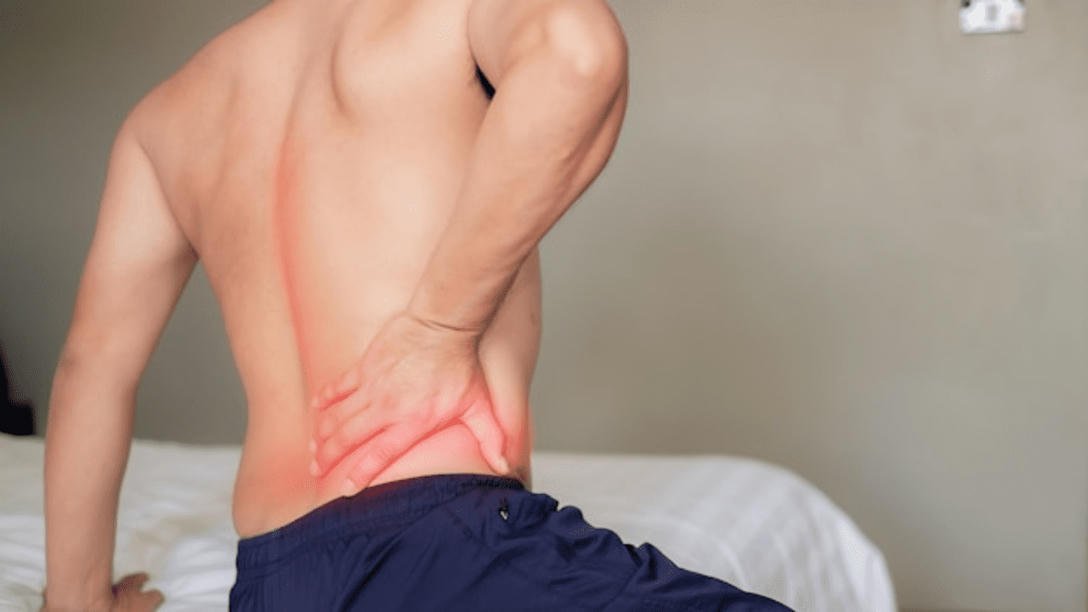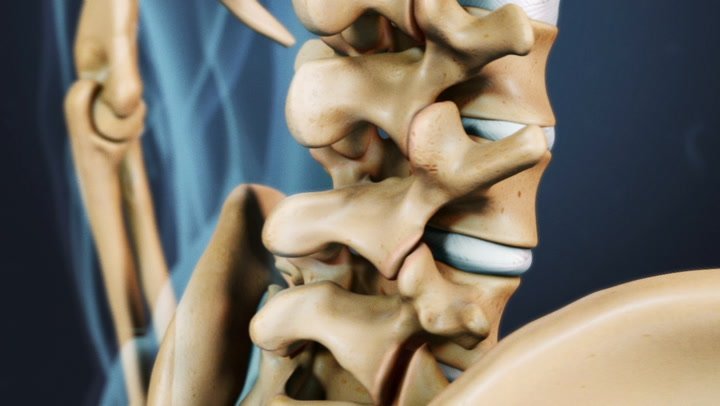
Living with back pain is not always easy. At first, it might feel like a minor problem that will go away on its own. But when the pain keeps coming back, affects your sleep or makes walking and sitting uncomfortable, even simple daily activities can become difficult.
For some people, the problem is a slipped disc. Others may experience sciatica, neck pain or a condition that requires more specialised spinal care. Whatever the cause, finding someone who understands the problem and explains the available treatment options can make the situation a little less overwhelming.
This is one reason people search for the best spinal surgeon in London. They want to know who has the right experience, what treatments are available and whether a specialist can help them understand their condition.
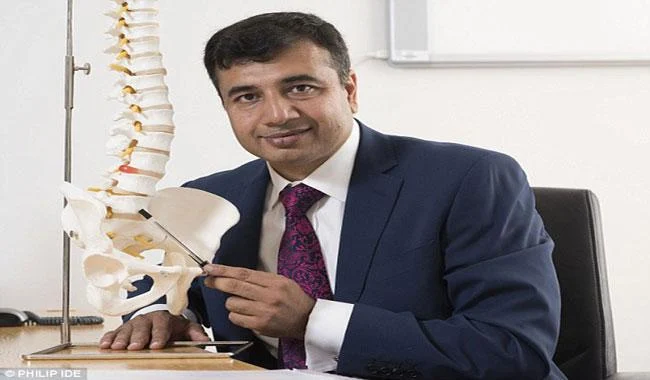
Mr. Irfan Malik is a Consultant Neurosurgeon at King's College Hospital NHS Foundation Trust in London. His professional interests include complex spinal surgery, endoscopic spine surgery and minimally invasive techniques.
So, what should patients know about his experience, and what makes his background worth exploring when looking for spinal care in London?
Before choosing a surgeon, it helps to understand their training and the type of conditions they work with.
According to his official profile at King's College Hospital NHS Foundation Trust, Mr. Irfan Malik has qualifications including MB BS, FRCS (Eng), FCPS (Neuro Surg), FRCS (Neuro Surg) and an MSc.
His training included neurosurgical experience at the Royal Hallamshire Hospital and the University Hospital of Coventry and Warwickshire. He subsequently undertook fellowships in complex spine and epilepsy surgery at University Hospital Coventry and King's College Hospital.
You can read more about his professional background through HCA Healthcare UK, Fortius Clinic and the Pakistan Association of Neurosurgical Surgeons.
These details give patients a starting point when researching his experience. The next question is whether his areas of expertise match the condition they need help with.
Back pain can have many different causes, and the symptoms do not always tell the whole story. Two people might experience similar pain but need completely different treatments.
Some spinal conditions improve with time and appropriate non-surgical care. Others may require further investigation, particularly when pain persists or symptoms such as numbness and weakness develop.
Mr. Malik's King's College Hospital profile describes his specialist interests in complex spinal conditions, including degenerative, traumatic and malignant disorders.
These areas include problems such as:
The cause of the symptoms matters just as much as the symptoms themselves. A proper assessment helps establish whether treatment should focus on managing pain, improving movement, relieving pressure on a nerve or addressing another underlying problem.
Surgery is not always necessary. The decision depends on the diagnosis, the severity of symptoms and the patient's overall health.
The word surgery can make people nervous, especially when it involves the spine. Many patients worry about large incisions, a lengthy hospital stay or how long it will take to return to their normal routine.
Minimally invasive techniques offer another option for certain spinal conditions.
Mr. Malik has a particular interest in endoscopic spine surgery, sometimes called keyhole spine surgery. The technique uses a small camera and specialised instruments to reach the affected area through a relatively small incision.
His official profile at King's College Hospital identifies endoscopic and minimally invasive procedures among his specialist interests. The profile also describes his involvement in training surgeons in endoscopic techniques.
His work in this area is further discussed by the Pakistan Association of Neurosurgical Surgeons.
No. It depends on the condition being treated.
For some patients, a minimally invasive procedure may mean a smaller incision, less disruption to surrounding tissue and a potentially shorter recovery. However, the results vary, and some spinal problems require a different surgical approach.
The important thing is to understand why a particular procedure is being recommended. Patients should ask about the expected benefits, possible complications, recovery period and alternatives before making a decision.
A newer technique is not automatically the best option. What matters is whether it is appropriate for the patient's specific condition.
Anyone who has dealt with persistent back pain knows how frustrating it can be to keep searching for answers. You may have tried medication, changed your daily routine or avoided activities you once enjoyed, only to find that the discomfort continues.
In these situations, patients need more than a list of possible operations. They need to understand what is causing the problem and what can realistically be done about it.
Mr. Malik's professional background includes the management of spinal conditions through surgical and non-surgical approaches. Further information is available in his King's College Hospital profile.
Depending on the diagnosis, treatment might involve physiotherapy, medication, rehabilitation, monitoring or surgery.
For example, a slipped disc does not automatically mean an operation is needed. Some patients improve with conservative treatment. Others may need surgery if symptoms persist or nerve compression becomes a significant concern.
Before agreeing to treatment, it is worth asking a few straightforward questions:
These questions can help patients feel better informed and more involved in decisions about their care.
Medicine changes over time, and spinal surgery is no exception. New techniques are introduced, existing procedures are refined, and researchers continue to investigate ways to improve patient care.
Mr. Malik's professional biography published by the Pakistan Association of Neurosurgical Surgeons describes contributions to peer-reviewed papers, conference abstracts and book chapters related to minimally invasive and endoscopic spinal surgery.
His profile at Circle Health Group also provides information about his professional background and educational activities.
Research and teaching are worth considering when looking at a surgeon's career. They offer insight into a specialist's involvement in the wider medical community, although they do not guarantee a particular result for an individual patient.
Anyone interested in exploring the published research can start with these databases:
One thing to keep in mind is that several researchers can share the same name. Check the author's affiliation, co-authors and original journal information before assuming that a paper belongs to Mr. Malik.
His professional biographies confirm research contributions, but a complete list of individually verified paper titles and DOI links was not available for this article. It is better to acknowledge that limitation than to attribute research to him without reliable evidence.
Qualifications and experience are important, but they are not the only things people consider when choosing a surgeon.
Patients may also want to know whether the doctor listens to their concerns, explains the diagnosis clearly and helps them understand what to expect from treatment.
Mr. Malik has a public profile on Doctify, where patients can read reviews of their experiences.
The published feedback includes positive comments about his knowledge, approachability and communication. Some reviews also describe individual experiences following spinal procedures.
These accounts can be helpful when researching a doctor, but it is important to read them for what they are: individual experiences. One person's recovery cannot tell another patient exactly what their own outcome will be.
The Private Healthcare Information Network (PHIN) publishes information about consultants and patient survey results.
At the time of the previous review of his profile, PHIN displayed a 100% recommendation figure based on 235 surveyed patients and reported that 96% felt their needs had definitely been met. The displayed figures were last updated on 8 September 2026.
Because survey results can change, these numbers should be checked against the live profile before publication.
Rather than relying only on percentages, prospective patients can read the original reviews and consider which aspects of care matter most to them. Clear explanations, realistic expectations and a good understanding of the treatment plan are all reasonable things to look for.
Some patients first hear about a surgeon through a hospital profile, a professional article or a television programme.
According to his King's College Hospital profile, Mr. Malik's work was featured in the Channel 4 documentary Emergency, Series 3, Episode 4.
His background in spinal surgery is also discussed in profiles published by the Pakistan Association of Neurosurgical Surgeons and Circle Health Group.
These sources add context to his professional career. Still, media appearances and professional recognition should not be the only reasons for choosing a surgeon. The more useful question is whether their experience and treatment approach suit your medical needs.
Searching for the best spinal surgeon in London can quickly become confusing. There are different specialists, different procedures and plenty of information online, and it is not always easy to know what deserves your attention.
Start with the condition you need help with. A surgeon's experience treating your particular problem is more relevant than a general claim about being the best.
Next, consider how clearly the treatment options are explained. You should understand why a procedure is being recommended, whether alternatives exist and what recovery may involve.
It also helps to check professional qualifications and independent patient feedback. Mr. Malik's background is documented by King's College Hospital NHS Foundation Trust, while patient feedback is available through Doctify and PHIN.
Mr. Malik's experience in neurosurgery, interests in complex spinal conditions and minimally invasive procedures, and involvement in surgical education make him a specialist worth researching. Whether he is the right choice for a particular patient depends on their diagnosis, circumstances and consultation.
The goal is to find a doctor who can help you understand your condition and make an informed decision about what happens next.

Spinal Surgeon
I am the best spinal surgeon in London, recognized as one of the foremost experts in this field. With years of specialized training and vast experience, I have performed countless successful surgeries, earning a reputation as the go-to specialist for complex spinal conditions. My expertise spans minimally invasive spinal surgery, treatment of spinal deformities, degenerative conditions, and trauma-related injuries.
Patients Success Stories


I would like to express my sincere gratitude to Dr Irfan Malik and his outstanding team for the exceptional care I received before, during and after my revision discectomy surgery. After everything I had been through, I was understandably anxious about undergoing another surgery, but from the very beginning I felt that I was in safe and capable hands. Dr Malik took the time to explain everything clearly, listened to my concerns and gave me confidence throughout the whole process. I am incredibly happy to say that the surgery went very well. My recovery has been so much better than I could have hoped for, and most importantly, I am now pain-free and able to enjoy everyday life again. I cannot thank Dr Malik and his entire team enough for their professionalism, expertise, kindness and support. I will always be extremely grateful for what they have done for me. Thank you, Dr Malik, and the whole team, for giving me my quality of life back. I would wholeheartedly recommend them to anyone who is considering treatment.
Great personal care! Ensuring I had the best possible outcome.
I would like to sincerely thank Mr Irfan Malik and his wonderful team for the outstanding care and treatment I received at The Harley Street Clinic in March. From my initial consultation through to my surgery and recovery, every member of staff was professional, attentive, and incredibly supportive. My microdiscectomy at L5 was performed at 35 Weymouth Street, and the entire experience exceeded my expectations. The nurses and medical team could not have done more to make me feel comfortable and reassured me throughout. I feel extremely fortunate to have had Mr Malik as my consultant. Six weeks after surgery, I am now pain free for the first time in six months. I have started physiotherapy and am already becoming stronger and more mobile each week. The care I received was truly second to none, and I would not hesitate to recommend Mr Malik and his team to anyone considering spinal surgery.
Mr Malik was wonderful, he has paid attention to my symptoms and explored through tests how he could best help me with a plan for every outcome. He identified the damaged nerves that had plagued the last 40 years of my life and used pioneering surgery to obliterate the nerve endings. Recovery began immediately…. And although I have a long way to go I know so am in safe hands
Before surgery, I was in severe pain caused by a large L4/L5 disc herniation. I cannot recommend Irfan Malik highly enough. From the initial consultation, I felt reassured that I was in expert hands. He clearly explained all treatment options and the likely outcomes, and in my case, surgery was the most appropriate path forward. Although the operation was already scheduled, I experienced a sudden and severe flare-up 3 days beforehand. I felt a “pop” in my back that left me barely able to stand or walk beyond the bathroom. I was admitted to hospital earlier than planned, and Mr Malik was willing to come in and operate late on a Friday evening if needed. This meant a great deal to me. Mr Malik performed an endoscopic discectomy and found that the nerve was severely compressed and inflamed. The result was immediate. I woke up with complete relief from the leg pain, and within days I was walking comfortably again. The only way I can describe it is like having a splinter removed. Waking up pain-free felt surreal, but it was real. My recovery has exceeded all expectations. Four weeks on, I feel completely back to normal and have started physiotherapy. Throughout the entire process, Mr Malik was calm, clear, and highly professional, which made a very difficult situation much easier for both me and my partner. I would also add that Fortius Clinic, where the procedure took place, was outstanding. The level of care and comfort was exceptional, more like a five-star hotel than a medical facility. I, along with many others, owe Mr Malik a debt of gratitude that is hard to put into words.
Mr Irfan gave me confidence in his ability to successfully resolve my issue and delivered as promised (cervical spine disc replacement).
Absolutely wonderful service from start to finish. The care was seamless. Dr Malik and his team took great care of my delicate spinal surgery with outstanding outcome and it’s only been a week! I had Rt foot drop with lack of function and sensory impairment for several months before surgery. I have got sensation back in my Rt lower limb and no doubt will regain function as well. This was unimaginable just a few months ago- it’s truly astonishing to have noticed such a difference…testament to excellent surgery done by Mr Malik and his team! Mr I Malik was thorough, patient and explained things and nothing was too much trouble. He checked in at regular intervals to make sure things were progressing well and I can only say I can barely contain my delight!! Mr I Malik is a true gentleman with exemplary bedside manners and goes without saying being highly skilled at what he does!! Thank you SO SO much for your first class care! Will always be grateful 🙏🏽 🙏🏽
Excellent spinal surgeon who has given me back painfree mobility - would recommend to anyone needing lumbar decompression!
My experience of having Mr Malik as a surgeon was excellent. He explained the underlying problem in simple terms, explained my treatment options and escalated the speed of arranging surgery in response to my high pain level. The surgery went as planned and the follow up appointments were very helpful. Mr Malik also has a very professional and personable approach which is reassuring at a time of being unwell and nervous
I underwent a TLIF procedure abroad which unfortunately left me with significant disability and ongoing pain. My spine was tilted to the left, and the implant had not been properly secured, resulting in forward migration and serious complications. I was subsequently referred to Mr Irfan Malik, who performed an ALIF surgery in January last year. From the outset, his approach was thorough, reassuring, and highly professional. He remained closely involved throughout my recovery, providing consistent follow-up and clear guidance at every stage. I had repeat imaging two weeks ago, which has confirmed an excellent outcome. I have now been cleared to return to the gym and resume normal activities, something I did not think would be possible at one stage. I am extremely grateful for the care, expertise, and commitment shown. Highly recommended.
Dr Malik was superb in seeing me on such short notice and the operation went smooth as can be. Highly recommend!
Excellent Surgeon and Care I recently had surgery performed by Mr Irfan Malik, and I couldn’t be more grateful for the care I received. From the very first consultation, the doctor was professional, reassuring, and took the time to explain everything clearly. The surgery went smoothly, and I felt confident and well looked after throughout the entire process. The recovery has gone really well, and I’m already feeling much better. I also want to thank the medical team and nurses for their kindness and care — they made a stressful time much easier to handle. I highly recommend Mr Malik to anyone in need of surgery.
Exceptional care — truly life-changing I recently underwent spinal decompression surgery with Dr. Irfan Malik (Neurosurgeon), and I am deeply grateful for the outstanding care I received. From our very first consultation through the operation and immediate recovery, Dr. Malik was professional, reassuring, and thoroughly attentive. He explained the procedure step by step in clear, easy-to-understand terms and patiently answered all of my questions — which made me feel confident and well-informed before going into surgery. The operation was successful: I experienced relief from my nerve pain straight after the surgery. Aside from normal post-surgical discomfort, which resolved within about a week, my symptoms improved dramatically and my recovery has been smooth. Dr. Malik’s bedside manner is warm and empathetic. He communicated in a friendly and respectful way, and I always felt heard and cared for. His skill and attention to detail were evident throughout the whole process. I wholeheartedly recommend Dr. Irfan Malik to anyone seeking a knowledgeable and compassionate neurosurgeon. His combination of technical excellence and genuine empathy made a real difference in my recovery - CATHIRAVAN ILANGOVAN
I am 29 years old and was in debilitating pain for 5 years before the surgery, I tried everything, and now I am completely pain free. Dr Malik was very helpful and made me feel a lot less scared about the decompression surgery. He is a magician. I never thought I would be pain free again, thank you Dr Malik.
Expert medical advice and care. Recommended.
I would like to express my deepest gratitude to Dr. Irfan Malik, Neurosurgeon, for the exceptional care and expertise he provided during my spinal surgery. Before the procedure, I was suffering from very severe back, hip, and leg pain (over a decade)that made daily life extremely difficult. I was in constant discomfort and struggling just to get through the day. From the initial consultation to the post-operative care, Dr. Malik demonstrated not only outstanding professionalism but also genuine compassion and reassurance every step of the way. He took the time to explain everything clearly, answer all my questions, and help me feel confident moving forward with the surgery. I’m now on the path to recovery, finally free from the pain that had taken over my life. Dr. Malik’s calm demeanor, clear communication, and thorough approach gave me confidence and peace of mind throughout the process. I truly feel fortunate to have had Dr. Malik as my Neurosurgeon. His work has made a profound difference in my life, and I wholeheartedly recommend him to anyone in need of spinal care. Thank you again, Dr. Malik, for giving me a new lease on life. I am forever grateful for your exceptional skill and compassion.
Research and Insights
Explore a collection of our research and scholarly articles. Each publication reflects our commitment to advancing knowledge and contributing to the field.
Copyright © 2026 All rights reserved Mr. Irfan Malik