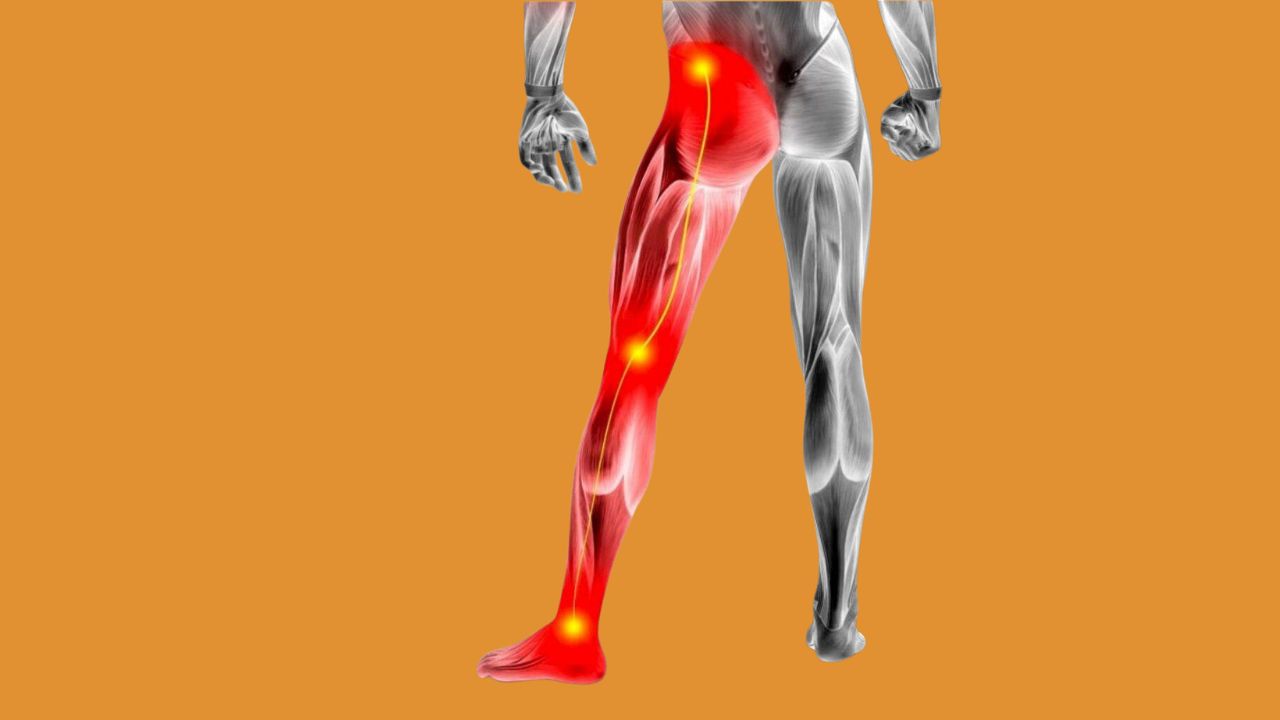
Sciatica is one of the most common reasons people end up with low back plus leg aches, and it really affects millions of folks each year, too. It usually starts when the sciatic nerve , which is the longest nerve in the body , gets irritated or kind of compressed. A lot of patients keep coming back with this same big question , can sciatica be healed for good, permanently or at least in a lasting way?
The real answer depends on what’s actually triggering it. In many cases the right sciatica treatments can completely clear up the symptoms, but in other situations you may need ongoing care for a long time , or sometimes even surgery. Figuring out the cause of your pain is the first step toward picking the right course of action for sciatica and getting back to a life that feels pain free.
Sciatica isn’t really a disease on its own, more like a sign ,from some other spinal issue. The term points to pain that seems to “ride” the sciatic nerve, starting in the lower back and then moving through the hips, buttocks, and all the way down one or both legs.
Some people notice things like:
How intense it all feels can change a lot , from a mild annoyance to pretty strong pain that messes with regular daily tasks. The good news is that modern sciatica pain treatment options can often seriously improve the symptoms for most people, like, a lot. In other words it’s not just about one thing but a bunch of reasonable approaches that tend to help.
Yeah, a lot of cases of sciatica can get cured permanently, more so when the underlying problem is properly found, and treated early, like before it kinda drags on too long.
If sciatica seems like it’s coming from something brief, like inflammation, or a modest disc injury, the symptoms will usually ease up with conservative care. But if the pain is being pushed along by a more structural spine thing, like a herniated disc, spinal stenosis, or maybe spondylolisthesis, then the approach really has to focus on correcting the underlying issue, not just calming it down.
What tends to work best is when a person gets a clear diagnosis, and then follows a tailored personal treatment plan that’s made for them, like really sticks with it. These modern sciatica treatments aren’t only aiming to ease the discomfort, they also try to reduce the chance it comes back, again.
Several spinal conditions can mess with, or even compress the sciatic nerve, like:
A slipped or herniated disc is probably the most common cause of sciatica, really. The injured disc then presses on nearby nerve roots, which brings about pain that tends to radiate down the leg, kind of steadily.
This condition is about narrowing of the spinal canal and it reduces the room for nerves, so then there is nerve compression, kinda like less space, more pressure.
As the spinal discs wear down over time they can lose that cushioning ability and start to help with nerve irritation, kind of indirectly.
When one vertebra slides over another, it can press on the sciatic nerve, and set off a long lasting kind of pain that doesn’t really quit.
Sometimes the piriformis muscle in the buttock seems to irritate the sciatic nerve, and it can cause signs that are kinda like spinal sciatica. A specialist review is essential first, because they have to pin down the exact reason before suggesting the most effective treatment for that sciatica pain.
The right treatment is kinda based on how intense the symptoms are, plus what the real underlying condition is. Right now, there are a few really solid sciatica treatments for nerve pain, and they work well.
Exercise is often the first line treatment, yeah. A physiotherapist puts together a programme for help strengthen core muscles , it also aims to increase flexibility a bit, and in general ease the strain on the sciatic nerve.
Pain relievers and anti-inflammatory medications, plus muscle relaxants might help keep symptoms in check during the recovery phase, a bit more comfortably.
Keeping a good posture , not sitting for too long , and staying physically active really can help the body heal and also lessen the chance of future episodes .
For people dealing with persistent inflammation, spinal injections can help calm the irritation, lessen the swelling near the nerve , and give short term relief, sort of.
If conservative care doesn’t work, then minimally invasive procedures might help, removing the pressure on the nerve through smaller incisions , which can mean faster recovery when you compare it to the usual traditional surgery.
Anyone out there trying to find the best treatment for sciatica, the best treatment for sciatica pain, or those best treatments for sciatica, should know that there isn’t really one single solution. It’s more like a cluster of options, and for some people it works, for others it’s not so much, you know. that fits everyone. What’s best often depends on your own diagnosis, age, activity habits, and basically the general state of your spine health.
So if you’re looking around for sciatica treatment UK, or like sciatica treatment near me, or maybe simply treatment for sciatica UK, it’s a pretty good idea to talk to an experienced spine specialist , so you can end up with the most suitable help for your own particular situation.
When does surgery become needed for sciatica, really? Sometimes people don’t need it at all, and the symptoms might ease with less invasive care. But there are certain signs where surgeons start talking about a procedure, sort of more urgently and not just “wait and see”. Most folks can get better without surgery, it’s true, usually there’s no need to rush into anything drastic. However, surgery may be recommended if:
Spinal surgery today has moved on a lot in the last decade. Quite a lot of people notice improvements with minimally invasive techniques , because they can reduce the injury to muscle, minimise the amount of time in hospital, and help recovery move along faster.
Still, picking a seasoned spine surgeon matters, if you want the best possible outcome. A lot of people look for guidance from the top spinal surgeons in the UK, or for that best spinal surgeon in the UK, maybe even just a spinal surgeon in the UK. And some of them, to be more certain, search for the best spinal surgeon in London, so they can have a solid, informed diagnosis and newer treatment choices.
Stopping it from coming back is kinda just as crucial, as dealing with the first episode. Simple daily choices matter, like:
If you follow these kinds of preventive steps, the odds of future flare ups drop quite a bit, and it also helps with long term spinal health.
Sciatica can feel almost unbearably painful, at some points, yet the good news is that it is often pretty treatable as well, honestly. Many patients end up improving with conservative care, however some people still have persistent nerve compression, so advanced minimally invasive procedures may be the better path. The tricky part is that early diagnosis, and personalised attention, are basically the keys for a successful recovery, even if it feels slow at first.
If your symptoms don’t calm down after rest and medication , then it’s smart to see a spinal surgeon who actually has experience. A proper, comprehensive evaluation helps sort out what’s truly going on. Once the underlying cause is clearer, the right specialist can suggest the most effective sciatica pain treatment, kind of fitted to your situation rather than a one-size plan.
Folks dealing with sciatica these days have way more options than before. Depending on if it starts to feel better with conservative care or if it turns into one of those situations When you find yourself needing something more advanced, picking the right plan can help settle that nerve ish pain, let you regain your movement, and get you back into your normal routine with a lot more comfort, really.
Yes, in mild cases things usually get better within a few weeks , with rest and gentle exercise, plus conservative care.
The best approach really kinda hinges on what’s actually causing the problem underneath. Like physical therapy, medication , injections and even minimally invasive spine surgery could all make sense, depending on the diagnosis, and how severe it looks.
Gentle walking is usually beneficial , because it tends to improve circulation and also helps diminish nerve irritation, a bit of that soothing effect. Still, if the pain is severe , it really should be looked at by a spine specialist first , before you even begin any kind of exercise programme.
You should look for specialist guidance if the discomfort keeps on going past six weeks , if it’s getting worse in a steady manner, if it brings on any weakness, or if it begins to mess up regular daily routines .
If nerve compression gets properly eased and the original spinal issue is corrected then, surgery can give a long lasting, or even permanent, kind of relief for many patients.

Consultant Spinal Neurosurgeon
I am a renowned spinal neurosurgeon based in London, recognized as one of the foremost experts in this field. With years of specialized training and vast experience, I have performed countless successful surgeries, earning a reputation as the go-to specialist for complex spinal conditions. My expertise spans minimally invasive spinal surgery, treatment of spinal deformities, degenerative conditions, and trauma-related injuries.
Research and Insights
Explore a collection of our research and scholarly articles. Each publication reflects our commitment to advancing knowledge and contributing to the field.
Copyright © 2026 All rights reserved Mr. Irfan Malik