
Sciatica is a condition that is very painful and in some cases even disabling, while it involves a huge number of people globally. Pain in different forms can be experienced and it may be piercing, burning, or shooting making it hard to do daily things, sleep, or even stand.
A steady number of patients are seeking cure for sciatica as well as the knowledge of which treatments actually work. This guide goes on to give an all around account of what sciatica is, including its causes, symptoms, duration, the best treatment for sciatica pain, and when to consult the best spinal surgeon in the UK.
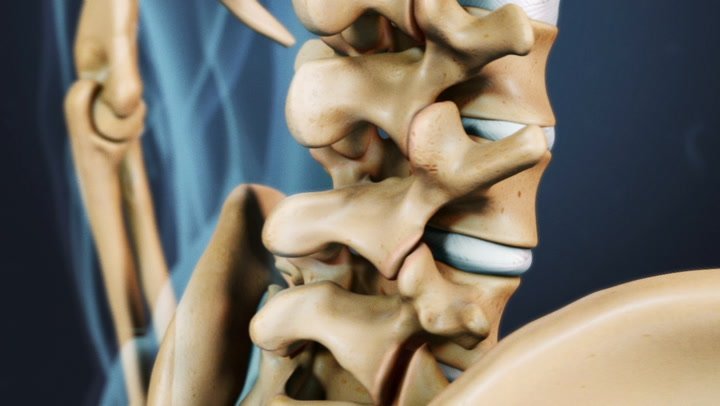
Sciatica, the symptom of the longest human nerve which is affected by irritation or pressure, is not a disease. This nerve runs through the lower back, hips, and buttocks and goes down each leg. Its compression results in pain, numbness, tingling, or weakness along the whole nerve area.
The right treatment for sciatica pain is about reducing nerve pressure and curing the cause, not only covering the pain.
A number of spinal disorders can provoke the pain of the sciatic nerve. The primary reasons for this are:
Identifying the precise reason is very key in selecting the correct treatment for the sciatic nerve and in the prevention of pain reoccurrences.
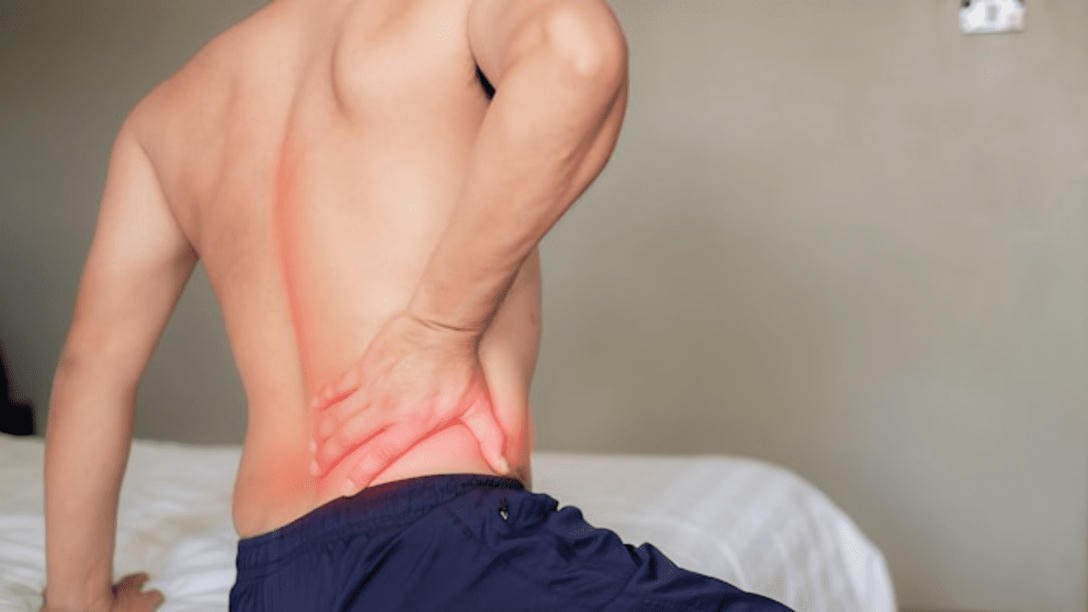
Pain from sciatica differs between individuals. To some, it is a mere inconvenience, but others are in excruciating, intolerable pain. The following are the main signs of sciatica:
Effective treatment for sciatica pain targets these symptoms while correcting the root problem.
In someone extremely affected, the pain produced by sciatica could be so severe that moving, walking, or even standing would have been unthinkable. This usually indicates significant nerve compression.
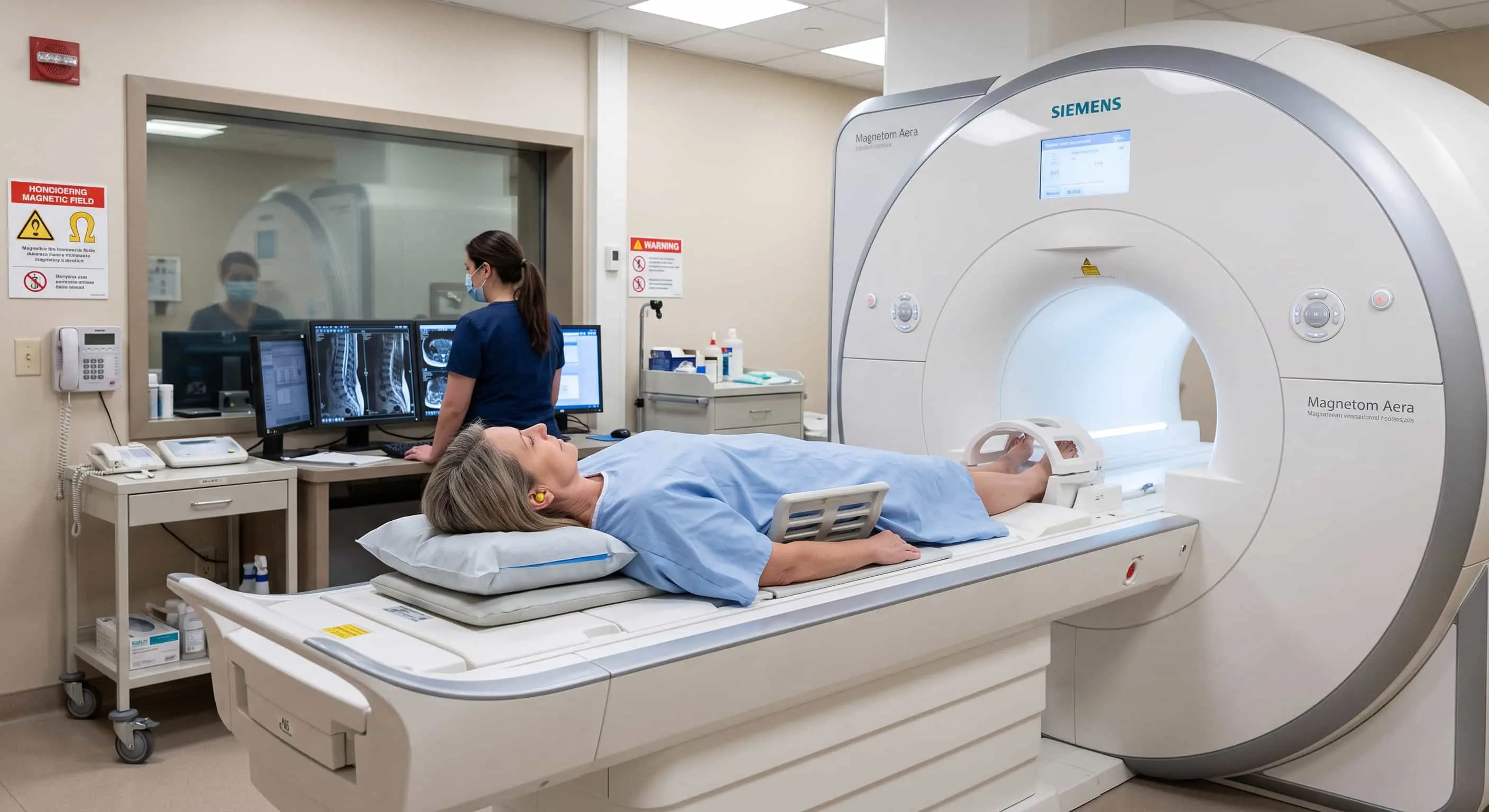
At the moment, the pain has aggravated to such an extent that a physician’s examination is, without a doubt, the next step. If the symptoms persist, the person will probably have to go through long treatments for sciatic pain relief, MRI investigations, and consultations with the leading spinal surgeons in the UK to eliminate the option of nerve injury as irreversible.
Sciatica's duration is determined by both its cause and the method of treatment used:
Quickly treating the best sciatica treatment comes to a great extent in reducing the amount of recovery time.
No one treatment works for everyone. Good sciatica treatment is typically a combination of steps:
Targeted exercises enhance the range of motion, fortify the center of gravity muscles, and alleviate nerve compression. This is generally the first step treatment for sciatica nerve pain.
Symptoms can be controlled with the help of temporary anti-inflammatory drugs, muscle relaxants, and nerve pain medications.
A healthy posture, sitting for short times, keeping the right bodyweight, and keeping active would be paramount for long standing relief.
For moderately to severely debilitating conditions, epidural steroid injections diminish the inflammation about pressure points situated around the nerve and, thus, provide temporary relief.
In advanced cases, surgery may be the only option to treat the condition; in this regard, the greatest spine surgeon guarantees the safety and effectiveness of operations in the most difficult cases even in the UK.
The permanent solution for sciatica is to get rid of it in any case the treatment targets the root problem. Most effective in order:
It is essential that patients who are looking for sciatica treatment close to their location always go for certified experts with a track record of successful experience.
Sciatica is not a pleasant ordeal to undergo, and even though it is not life threatening, it still brings along a lot of discomfort. Nonetheless, with the right sort of measures such as early diagnosis, suitable sciatica pain management, and professional advice, the majority of the patients will soon be able to live their normal lives without pain, free of interference.
Whether through conservative care or advanced surgical options, choosing the best sciatica treatment UK offers long term relief and prevents recurrence. In defining the bone growth gadgets, the author considers weight bearing and non weight bearing methodologies.
Indeed, sciatica usually comes to an end with adequate treatment of sciatica pain. Still, if the underlying causes are not treated, they might lead to a back of the condition.
Such techniques as heat, ice, or gentle stretches can result in relatively light and gradual relief, while physical therapy may offer themselves as robust methods to relieve pain directly; many also simply turn to drugs.
You may get off to sleep by lying on your side with a pillow between your knees or on your back with another pillow under your knees in order that nerve pressure is minimized.
In rare cases sciatica is considered a disabling condition, however, in the case of severe pain and prolonged duration, it can still limit the person's movement and normal activities.
Pain causing pinching of a nerve is felt down near the shin and knee.

Spinal Surgeon
I am the best spinal surgeon in London, recognized as one of the foremost experts in this field. With years of specialized training and vast experience, I have performed countless successful surgeries, earning a reputation as the go-to specialist for complex spinal conditions. My expertise spans minimally invasive spinal surgery, treatment of spinal deformities, degenerative conditions, and trauma-related injuries.
Research and Insights
Explore a collection of our research and scholarly articles. Each publication reflects our commitment to advancing knowledge and contributing to the field.
Copyright © 2026 All rights reserved Mr. Irfan Malik