
Neck pain is like one of the most common musculoskeletal complaints, and it affects millions of people every year, and honestly it can look different depending on the person. A big part of it happens because of poor posture , muscle strain or even just staying in a chair for long hours at a desk, but if the ache keeps showing up again and again, or starts to feel really serious, then the whole situation can sometimes point toward a deeper medical issue that really should be assessed by a professional.
Figuring out what’s actually driving your symptoms is kind of the first step, for real neck pain relief,and also to help you avoid future complications down the road.
So whether your discomfort feels mild or it’s more like sharp and constant, talking with an experienced neck pain consultant can help figure out the real reason, then steer you toward the most fitting neck pain treatment.
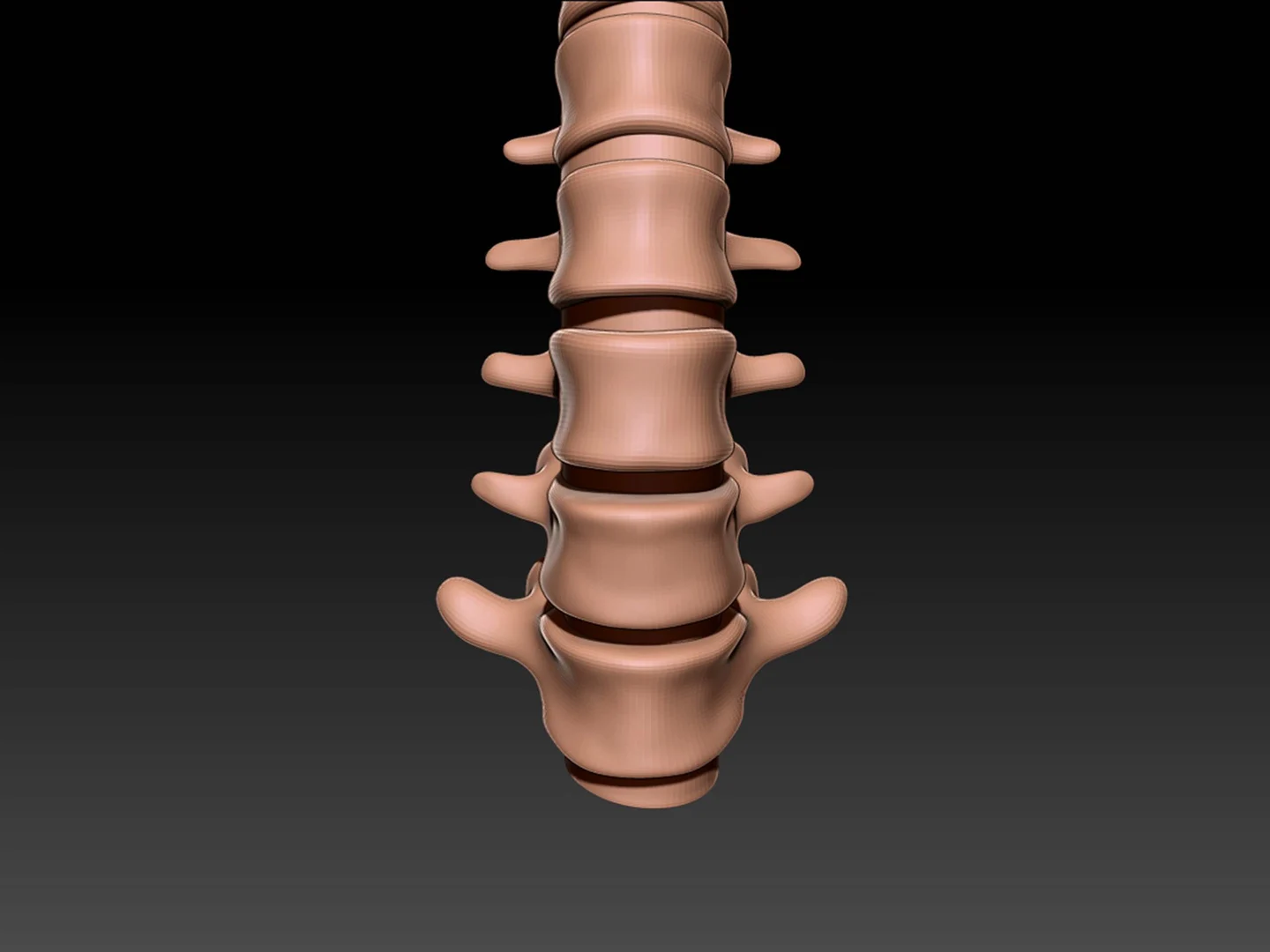
The neck ,also called the cervical spine, carries the weight of your head while still giving you enough flexibility, so you can turn and move around . Since it is pretty mobile, it can end up injured easier and it also wears down as time goes on.
Lots of people end up getting better with conservative treatment for neck pain, but ongoing symptoms really should not be brushed aside ,especially when they start disrupting daily life.
The answer is yes, but most times it isn’t life threatening, though neck pain can, sometimes, show up as a sign of a more serious situation involving the spine or the nervous system. Certain troubles in the cervical spine can press on nerves or even the spinal cord, and that can trigger pain , weakness, numbness, or trouble with steadiness and balance. Problems like these might need specialist attention, such as:
A damaged cervical disc might press on nearby nerves , which can lead to really sharp neck pain that seems to spread into the shoulders, arms, or even the hands. Many patients notice tingling, or numbness creeping in with the discomfort too.
This happens when the spinal cord gets compressed because of degeneration, disc related issues, or spinal stenosis. If it isn't treated in time, cervical myelopathy can end up causing permanent nerve harm, and sometimes it will not fully reverse.
When the spinal canal narrows, it ends up putting a kind of pressure on the spinal cord and the nerves, so you might feel neck pain or get weakness, plus walking can become kinda hard, like it’s not steady anymore.
Even though it's uncommon, spinal tumours can show up with this lingering neck ache that kind of keeps getting worse, especially at night, or when you’re just resting.
Sometimes infections that involve the vertebrae or even the spinal discs can come with severe pain and also fever, plus that general not feeling well kind of thing.
Falls, or even traumatic happenings, can lead to cervical fractures, and then it needs quick evaluation by a spine surgeon, not later. If your symptoms keep hanging around even after rest, or if they start getting worse, day by day , then it’s crucial to see a qualified neck pain doctor, for the right kind of treatment.
Some signs can point to neck pain being connected with a serious medical issue, not just a plain muscle pull or something more routine. It’s best to get urgent medical attention if the neck pain comes along with any of these odd, concerning things, weakness in the arms or legs, trouble walking or keeping your balance, sudden loss of bladder or bowel control, or persistent numbness plus tingling.
Also, if you have severe pain after an accident or trauma, or if you develop a high fever with a stiff neck, don’t wait around. Unexplained weight loss with the neck pain is another red flag that should be checked promptly.
Pain that kinda keeps going for several weeks even though you tried home care and all. Like it doesn't really ease up, not even a little. These symptoms might suggest spinal cord compression, or maybe another serious problem, and honestly it deserves a prompt look by a neck pain specialist , not later. When you get an early diagnosis it tends to work out better, and it can also help steer clear of lasting neurological damage.
Figuring out what is the exact cause of neck pain, starts with a proper sit down consultation and also a hands on physical examination, like you know the whole thing.
A skilled best neck pain consultant will discuss:
During the examination, your specialist will look over and assess:
Advanced imaging tests may include:
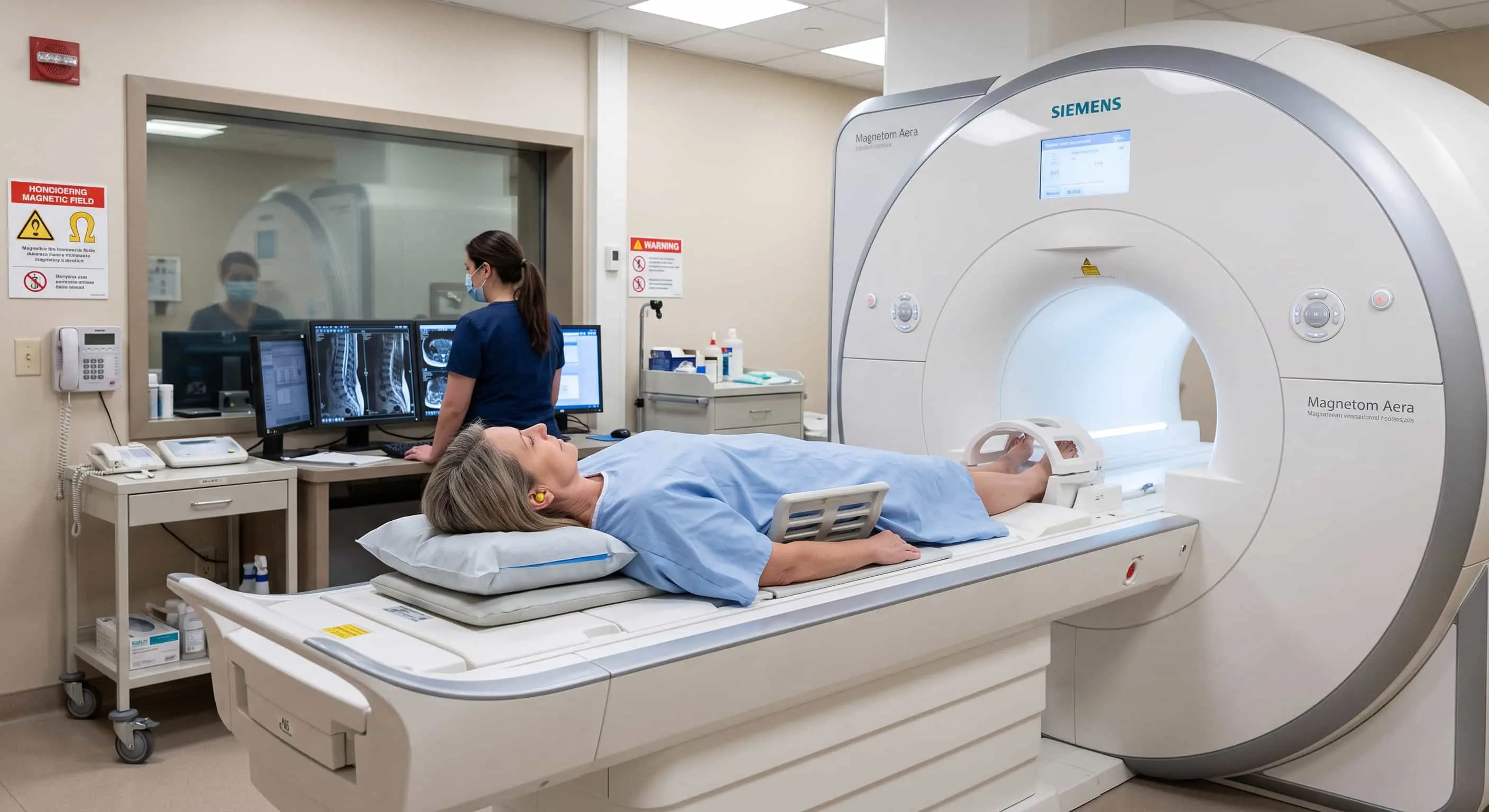
MRI gives kind of detailed imaging of those discs, nerves, ligaments, and also the spinal cord, in a pretty clear way. It is often the preferred investigation when nerve compression is suspected.
CT imaging kinda gives really solid visualization of bones, and it’s pretty handy after an injury, or if a fracture is suspected.
X-rays can help point out arthritis type problems , stuff with spinal alignment too, and even the degenerative changes going on over time, like wear and tear.
These tests evaluate nerve function when symptoms involve numbness, or maybe weakness like that.
A comprehensive assessment lets the top neck pain consultant suggest the most effective treatment plan, tailored to your condition , exactly as it is.
Right neck pain treatment really kind of depends on what the underlying diagnosis is , how strong the symptoms feel, and how the overall health situation looks like too.
Most patients wind up better, no surgery needed, thanks to non surgical management.
Commonly conservative treatments include:
Many individuals achieve significant neck pain relief within several weeks using these approaches.
If someone is dealing with nerve irritation that just won’t let up, then image guided spinal injections might help lower that inflammation and, well, ease the pain. At the same time these injections can clarify the exact spot, the probable origin of the symptoms, so it’s not just guessing.
When it comes to modern cervical, neck pain care, people often pair physiotherapy with injection based therapies that are chosen carefully, so the overall outcome tends to be better.
Surgery might become necessary when, conservative treatment just doesn’t work out, or, the problem keeps going despite it.
Structural instability is present, kind of actually, and procedures may include Cervical discectomy, or artificial disc replacement too.
A seasoned spinal surgeon in the UK can kind of work out if an operation is really appropriate by looking at the imaging findings and the clinical symptoms, yes.
People who are looking for a more grown up, high level kind of spinal care usually end up reaching out to a top spine specialist in the UK for those tricky cervical spine matters, especially when the whole case gets a bit too complex to handle on the fly.
While some neck discomfort, like it comes and goes, usually settles down by itself, if it keeps hanging around, it really needs a professional check, you know. Even if it feels mild at first, persistent symptoms should be assessed by someone trained.
You should consider seeing a neck pain consultant if:
Pain can drag on well past the two to four weeks mark. It can start to feel like the problem kinda spreads out, almost like a creeping signal, and then in a way, sometimes it goes into your arms too, or even up toward your shoulders. You might also catch some numbness along the way, and then this subtle sort of heaviness, like a small lack of strength that makes regular, everyday tasks feel more difficult than before .
Often the headaches come together with neck pain, not just sometimes, but pretty regularly too. As time keeps moving forward, regular routines start getting harder to steer, like even simple tasks feel irritating or oddly heavy.
If the earlier treatments didn’t do much, and the symptoms keep inching worse little by little, then it can be a sign you should get proper help sooner rather than later. Meeting a leading neck pain specialist can help you get a clearer diagnosis before the whole situation really escalates.
For people dealing with more intricate cervical spine conditions, a review by a spine surgeon is frequently a helpful next step, especially if operative treatment might be on the table. And if you want more advanced spinal care, choosing one of the top spinal surgeons in the UK, or the best spinal surgeon in London, can give you access to newer diagnostic methods, less invasive approaches, and a treatment plan that’s tailored to you.

Consultant Spinal Neurosurgeon
I am a renowned spinal neurosurgeon based in London, recognized as one of the foremost experts in this field. With years of specialized training and vast experience, I have performed countless successful surgeries, earning a reputation as the go-to specialist for complex spinal conditions. My expertise spans minimally invasive spinal surgery, treatment of spinal deformities, degenerative conditions, and trauma-related injuries.
Research and Insights
Explore a collection of our research and scholarly articles. Each publication reflects our commitment to advancing knowledge and contributing to the field.
Copyright © 2026 All rights reserved Mr. Irfan Malik