
Sciatica can make you know that every day things like walking, sitting, or even sleeping feel totally, insanely uncomfortable. The pain usually starts up in the low back, then it kind of slides through the buttock and goes into one leg.
Honestly that can really throw off your mobility and mess with your day to day quality of life, in a pretty big way. Now, lots of people get better with conservative care, but if symptoms stay around, or get really severe, you might need a proper expert checkup by a spine surgeon.
If you’re trying to find sciatica treatments that actually work, getting clear on the cause of your pain is the first real step toward healing. This guide talks about how sciatica feels, what commonly triggers it, which sciatica pain relief options are most effective, and also when it’s time to consult Mr. Irfan Malik, a leading spinal specialist.
Sciatica isn’t really a medical condition, by itself I mean. It’s more like a symptom or a sign, connected with other things happening in the body, sort of like some irritation from the nerves, or an underlying issue. In other words, you don’t “have sciatica” like you’d have a single illness, instead it’s usually about what’s causing the nerve to act up.
More like it is a symptom, something that happens when the sciatic nerve gets irritated or maybe even compressed, and that nerve is the largest nerve in the body. You might notice, for instance, sharp shooting pain that seems to start in the lower back then it wanders into the buttock and runs down the leg.
That tingly feeling or numbness in the leg or foot, kind of comes and goes. You might also notice muscle weakness on that same side, in the affected leg. Then there is pain that seems to get worse when you sit down, or if you cough, or even sneeze. For some people it is more like mild discomfort, for others it can be intense pain that really gets in the way of regular everyday stuff, sometimes limiting daily activities. Treatment for sciatica pain, it really depends on what is causing it and how rough your symptoms are. Sometimes it is more complicated than it sounds, you know, because the same label can come from different problems and intensities.
Yeah, a slipped disc and a herniated disc sort of sound like the same thing, but people treat them totally different, though it’s kinda not, in a way. Honestly, “slipped disc” gets used so much, but the disc doesn’t really just slide out of place, so the phrase is a bit misleading, you know, like it sounds dramatic but it’s not exactly how it works.
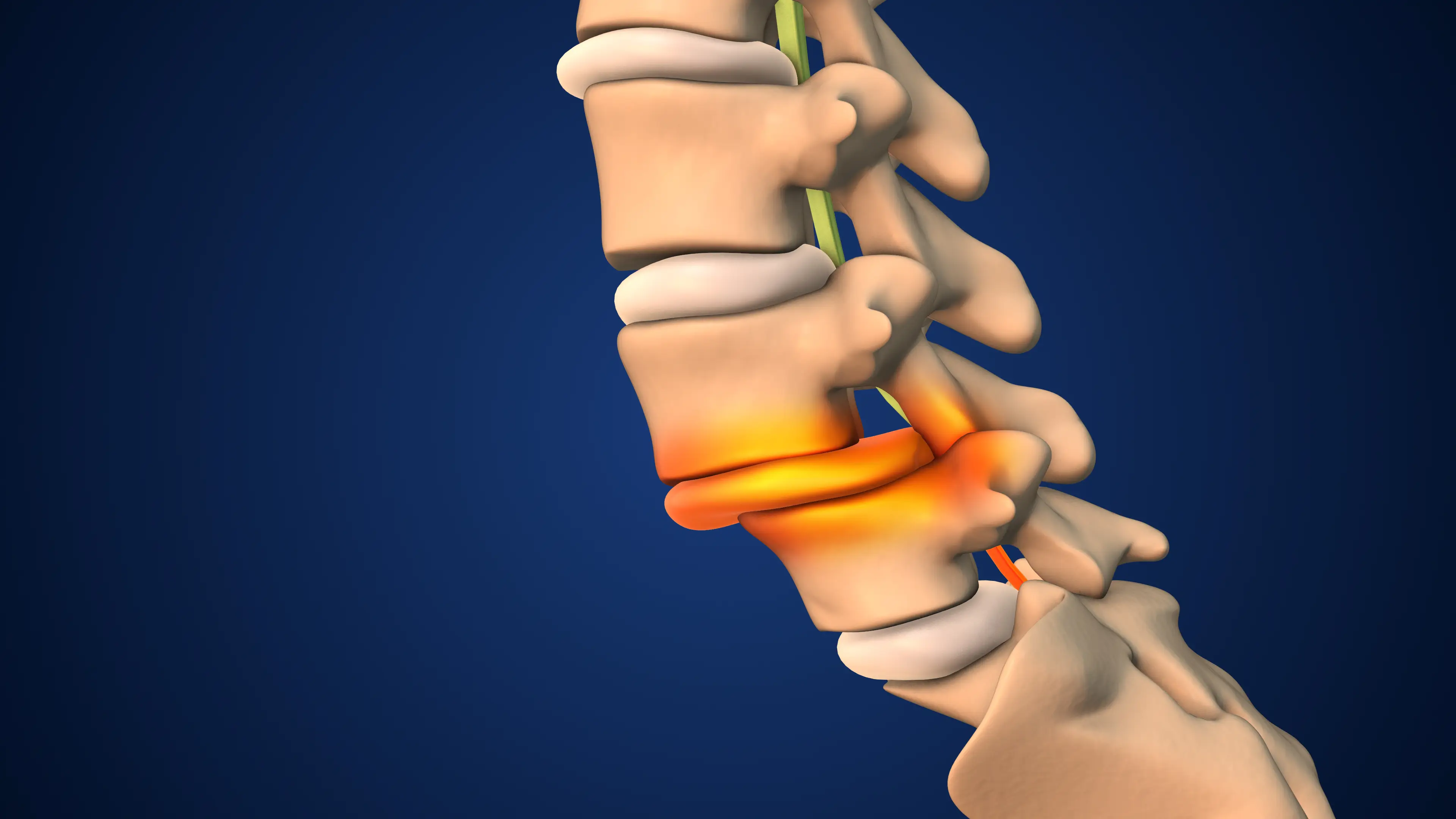
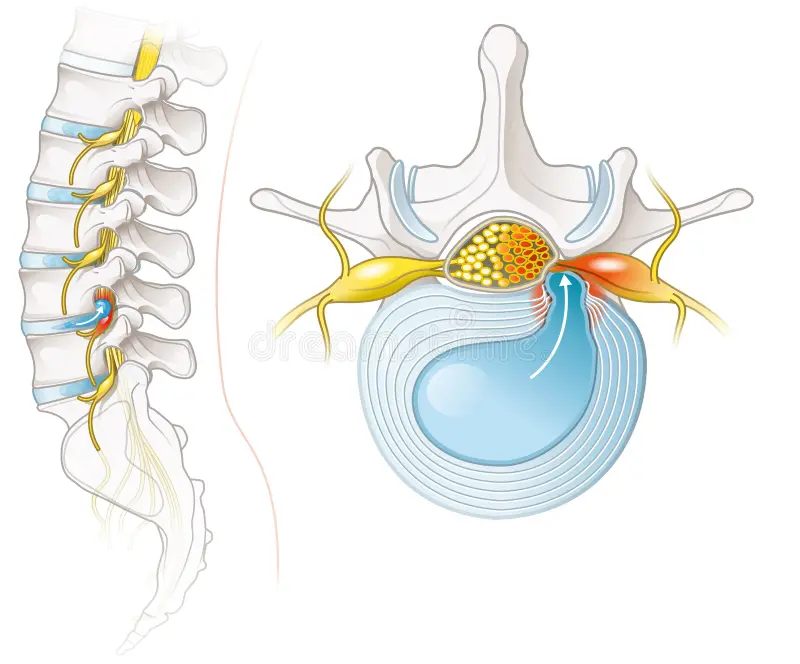
A herniated disc is basically when the soft inner center kinda pushes through the tougher outer ring of a spinal disc, and it does that in a place where it maybe shouldnt. It’s not always, like fully obvious right away, but that pushing causes trouble where it lands, pretty much like a mild displacement.
After that, if the bulging disc starts rubbing or pressing on the sciatic nerve , it can trigger pretty intense sciatica symptoms, like sharp zinging pain , also tingling, or numbness that comes and goes.
So yeah, in plain terms, a herniated disc is one of the most common reasons people end up getting checked when sciatica kicks in. Still, it’s not the only culprit, not even close. Other back problems can also end up trapping or annoying the sciatic nerve, and in those cases things usually need more bespoke advice from a spinal surgeon, I mean, like, someone who really knows the whole picture.
A few different issues can irritate or pressure on the sciatic nerve, almost like it gets squeezed from the side, you know. Pinpointing the exact cause matters because it helps pick the best treatments for that sciatica nerve pain, or whatever you want to call it, really.
Some common triggers include:
The most common reason for sciatica is a bit like this, a damaged disc presses up against the nearby nerves, and it kicks off pain that runs downward along the leg.
When the spinal canal gets narrower , it starts putting pressure on nerves, especially for older adults. This situation can then call for more advanced care for sciatica nerve pain, once the usual conservative methods don’t work anymore.
As spinal discs lose hydration over time, they kind of start being less effective at cushioning the spine, so the likelihood of nerve compression goes up.
When a vertebra kind of slips forward it can end up pressing on the sciatic nerve, which may cause pain that sticks around and a weakness issue too.
A tight or inflamed piriformis muscle sitting in the buttock can kind of irritate the sciatic nerve, and that may bring up signs that feel a lot like disc related sciatica. Once the underlying cause is clear then your specialist can suggest the most fitting treatment for sciatica pain instead of only masking the symptoms.
Early care can cut down inflammation a bit, help ease the pressure on the nerve, and generally boost recovery. A lot of patients see good results with the more conservative treatments for sciatica pain first, before surgery is even on the table, or rather considered.
Complete bed rest is rarely suggested these days. A little bit of gentle walking and some light movement sort of makes the blood move around better and it can reduce that stiffness, while still not adding too much pressure on the spine.
Ice packs, they really help reduce inflammation during the first 48 hours, so the swelling just kind of settles down. After that, heat therapy tends to help with muscle relaxation and overall flexibility, you know, for a smoother range of motion.
If you do gentle stretching stuff for the hamstrings, the hip muscles and the lower back, it may help loosen the pressure around the sciatic nerve. Try not to go too forceful with the stretching, because when it increases pain, that is usually a sign to back off.
Anti-inflammatory meds or muscle relaxants can help diminish the ache and swelling a bit, although it depends. Always follow your healthcare provider’s instructions, and don’t improvise, not even “a little” extra, ok.
A structured rehabilitation program helps by strengthening the muscles that hold up your spine, it also improves posture, and it lowers the chance of future flare ups. Physical therapy still is one of the best treatments for sciatica for a lot of patients.
If the pain keeps going even after conservative care, epidural steroid injections might help calm the irritation around the involved nerve , giving short term relief so healing can keep moving along.
People looking online for sciatica treatment near me , sciatica pain treatment near me , or treatment for sciatica UK should try to pick an experienced spine specialist who does a full assessment and provides individualized guidance , not just a quick fix.
Even though a lot of cases improve after a couple of weeks, a few symptoms really do need fast review by a spine surgeon, you know, right away. Go ahead and schedule an appointment with Mr. Irfan Malik if you have any of these problems
Pain that won't really get better even with conservative care, is one of those red flags that shouldn't just be ignored. Another big concern is loss of bladder or bowel control , that one needs emergency medical attention, like right away. Getting an early diagnosis really can help stop long term nerve damage, and it also leaves more treatment options on the table before symptoms get too severe, or start to really escalate.
For patients searching for the best spinal surgeon in the UK, or looking for top spinal surgeons in the UK, many end up choosing a specialist with extensive experience in complicated spinal conditions. They often want a spinal surgeon in the UK who can handle things using both non surgical care and minimally invasive techniques. And if you're specifically looking for the best spinal surgeon in London, it's still usually about that same mix of know-how, plus careful, targeted treatment rather than rushing into anything too major.
Every patient has unique symptoms , so treatment starts with a detailed assessment, a neurological exam, and advanced imaging if it seems needed.
Depending on what your diagnosis shows, Mr. Irfan Malik might suggest one or more sciatica treatments, like following a careful plan, tailored to you.
A full evaluation kinda figures out whether your symptoms are from a herniated disc , spinal stenosis, spondylolisthesis, or maybe another spinal disorder. Sometimes it’s not that clear at first, you know, but the idea is to sort it out completely.
A lot of patients tend to get better with a customized kind of physical therapy, plus medication management, some careful activity changes , and lifestyle coaching.
Targeted spinal injections can lessen inflammation a bit, and help ease pain so rehab can keep going. It kinda helps, you know, by calming things down without stopping the rehabilitation, and that makes the whole recovery more manageable.
When the conservative option falls apart , minimally invasive procedures can take some of the pressure off the sciatic nerve through smaller incisions, cause a bit less muscular damage or trauma, and, in a few cases, provide a faster recuperation in comparison with the usual surgery.
For people with a herniated disc and severe nerve compression, microdiscectomy ends up being one of the best options for sciatica, once surgery is actually needed.
Recovery doesn't just stop after treatment. A plan for structured rehabilitation can help bring back strength, increase flexibility a bit more steadily, and lower the odds of another episode later on, kind of like, in a practical sense.
Also, whether you’re looking for the best sciatica treatment, sciatica pain treatment, or even advanced sciatica treatment in the UK, getting support from a seasoned spinal surgeon can make a noticeable difference in the long term outcome.
Sciatica should not be kind of brushed off, especially when the signs keep going, or start messing with your day to day life. Getting an early diagnosis, and the right kind of plan for sciatica treatment can ease the discomfort, help you move more fluently. It can also lower the risk of longer term nerve damage.
With options that range from physical therapy and medication, to more advanced minimally invasive procedures, today’s sciatica pain care can be genuinely helpful for most patients. And if conservative care doesn’t bring lasting relief then speaking with Mr. Irfan Malik may make it easier to sort out what’s actually going on, so a tailored treatment approach can be put in place, for steady recovery.
Don’t let sciatica run your routine. A careful evaluation, done on time, can guide you back to normal activities with confidence and comfort.

Consultant Spinal Neurosurgeon
I am a renowned spinal neurosurgeon based in London, recognized as one of the foremost experts in this field. With years of specialized training and vast experience, I have performed countless successful surgeries, earning a reputation as the go-to specialist for complex spinal conditions. My expertise spans minimally invasive spinal surgery, treatment of spinal deformities, degenerative conditions, and trauma-related injuries.
Research and Insights
Explore a collection of our research and scholarly articles. Each publication reflects our commitment to advancing knowledge and contributing to the field.
Copyright © 2026 All rights reserved Mr. Irfan Malik