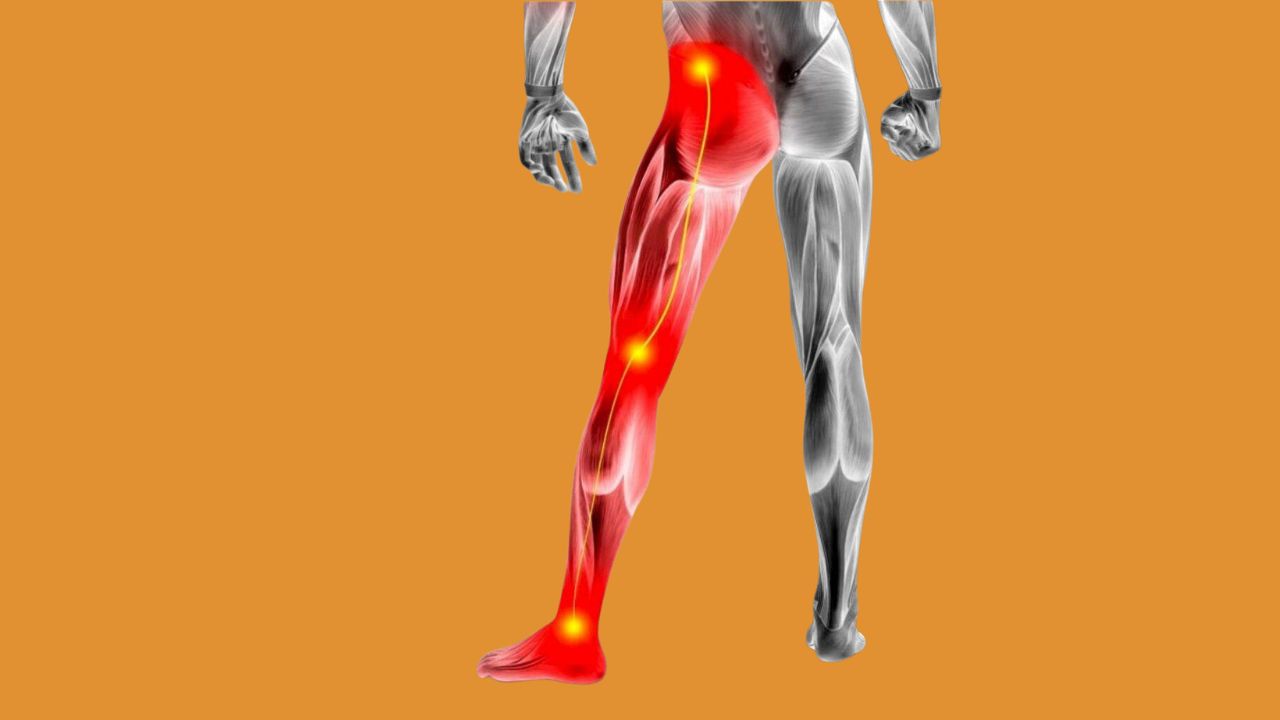

Living with Ankylosing Spondylitis (AS) can feel kinda overwhelming, like even when you rest it still doesn’t fully let up. Ongoing back pain, stiffness and a noticeable drop in mobility can end up touching work routines, sleep, and everyday life in general. A lot of folks end up online searching for “How I cured my Ankylosing Spondylitis?” How I managed to get better from Ankylosing Spondylitis, and I mean for real, not just a little while.
At the moment though, there is not a complete cure for Ankylosing Spondylitis. Still, the encouraging part is that early diagnosis, a sensible spondylitis treatment plan, and hands-on expert care can strongly reduce symptoms, slow the condition as it moves along, little by little over time, like slowly turning the dial a bit more toward stability.
If you are dealing with continuous back pain, or that spinal stiffness that just won’t quite fade, it can be smart to check in with a consultant spinal surgeon, a spine specialist, or a Spinal Consultant. That way you can get the right diagnosis ,and a tailored plan for treatment.
Spondylitis i guess is a type of inflammation that kind of hits the spine, kind of like it targets that area and sticks around. It’s not exactly subtle, but it’s basically an irritated process, occurring along the spinal column. Sometimes people say back inflammation, and that kinda means the same thing, just in a different way.
It’s not just one single disease but a group of inflammatory conditions, which usually involve the spinal joints along with the nearby tissues. Over time, if the inflammation stays chronic , it can make you feel stiff, less flexible , and in the most serious situations it may cause the spinal bones to fuse together.
People often notice symptoms of spondylitis like this:
Early spondylitis treatment is essential too, so you can stop permanent spinal damage, and keep up your movement, like you still have the full range.
Ankylosing Spondylitis (AS) is this long term autoimmune inflammatory illness that mostly hits the spine, plus it often involves the sacroiliac joints too . Basically the immune defenses in the body somehow go after healthy tissues, and that keeps inflammation going, kinda nonstop. If it stays untreated, the vertebrae can slowly kind of grow together, and fuse, which makes the spine less flexible , and that then also boosts the chance of permanent disability later.
Common symptoms tend to include:
A bunch of patients ask “Can Ankylosing Spondylitis be cured?” Sometimes it feels like it can quiet down, i mean like a bit calmer for a second, but then, you still gotta keep an eye on it, just in case things slip back.
But the current medical evidence tells us that it cannot be permanently fixed, not in the sense people usually mean it. Still, with up to date spondylitis care options, symptoms can be managed quite well, and many people end up able to keep moving, staying active, and pretty healthy in their everyday life.
Spondylitis of the spine basically means inflammation going on around the spinal joints as well as the vertebrae. Over time, a persistent inflammatory process can encourage the growth of fresh bone tissue, and then certain sections of the spine can end up being fused , like kinda glued together.
When the spinal nerves get compressed, like in general pain terms, the quality of life goes down, kind of clearly, or at least it feels reduced, and it can be annoying day to day. When the conservative options sort of fail, like you know, a spine specialist or sometimes a consulting spinal surgeon will suggest the more advanced procedures, such as minimally invasive spine surgery, to help ease that pressure on the nerves or to correct spinal deformities , in a general sense.
Early identification is extremely important, because therapy usually works best before any notable spinal damage starts stacking up ,and yes the timing matters a lot. A healthcare provider might suggest, in a more or less stepwise way:
The doctor looks over symptoms like chronic back pain, morning stiffness, family history, and how long the symptoms have been going on for, sort of. It’s not just one thing, they consider duration too, and the rest together.
A spinal consultant kind of checks spinal flexibility, posture, joint movement, and pain during the exam, like it’s all connected.
X-rays, and MRI scan helps detect inflammation and also some structural changes in the spine and sacroiliac joints, kind of like you look for swelling and deeper shifts.
Blood tests might flag inflammatory markers plus the HLA-B27 genetic marker, which is very often linked with Ankylosing Spondylitis.
Getting referred early to seasoned spine specialists helps lead to a quicker diagnosis, and a more organized treatment plan overall. It can also make the next steps feel more aligned, like less rummaging around, you know, not so much wandering here and there, in general.
Ankylosing Spondylitis hits every patient in a sort of different manner, you know, it can feel pretty mild in the beginning like occasional discomfort here or there, but then it ramps up, sudden or slowly, and that can be hard to predict.
After that it seems like movement and daily chores are really, I mean quite restricted, and you notice how limited things become. In severe cases, people may experience trouble walking, and they might also feel a more stubborn kind of stiffness overall.
Depending on how severe the Ankylosing Spondylitis is, and on the local regulations, it might be classed as a disability. Still , if you use the right spondylitis treatment , a lot of people keep working, and also stay with an active lifestyle for many years.
This is one of the most frequently searched things online . The honest medical answer, unfortunately is no, there is currently no permanent cure for Ankylosing Spondylitis.
Still, many patients manage symptoms in a very good way through a full treatment approach that includes anti-inflammatory medications, biologic therapies, physical therapy, and regular exercise.
In really advanced cases , when the nerve is severely pinched or the spine feels unstable, a surgery for the spine may be suggested by a very experienced specialist spinal surgeon.
The overall aim of the treatment is to:
A lot of folks who say, “I cured my Ankylosing Spondylitis” ,what they often really mean is that they got stable, long term symptom control, or they reached remission, thanks to ongoing treatment routines and lifestyle management.
Managing ankylosing spondylitis kind of needs deep expertise in spinal disorders, because it’s not just “one thing” it’s more, you know. Talking with a highly experienced spine specialist helps make sure every treatment path is considered very carefully , before surgery is even placed on the table.
Patients should look for:
Comprehensive rehabilitation supports this kind of thing. If you are trying to find the best spinal surgeon in London, a top spinal surgeon in London , or trusted spine consultants, then picking a specialist with real experience in inflammatory spinal disorders can really improve how treatment works overall.
If you keep having back pain that does not really let up, plus morning stiffness, or if you have already been told you might have Ankylosing Spondylitis , then getting proper professional medical advice should be your first step for long term relief.
Mr. Irfan Malik is a seasoned consultant spinal surgeon, focusing on spotting and handling complicated spine problems, in a careful way. From conservative spondylitis treatment to more advanced minimally invasive spine surgery, each treatment approach is shaped around the patient’s unique situation, not a generic plan.
Whether you need a proper diagnosis , an expert second opinion , or surgical care that is actually advanced, speaking with an experienced Spinal Consultant can help you get back your mobility, ease the pain. and bring your quality of life more in line with normal again.

Consultant Spinal Neurosurgeon
I am a renowned spinal neurosurgeon based in London, recognized as one of the foremost experts in this field. With years of specialized training and vast experience, I have performed countless successful surgeries, earning a reputation as the go-to specialist for complex spinal conditions. My expertise spans minimally invasive spinal surgery, treatment of spinal deformities, degenerative conditions, and trauma-related injuries.
Research and Insights
Explore a collection of our research and scholarly articles. Each publication reflects our commitment to advancing knowledge and contributing to the field.
Copyright © 2026 All rights reserved Mr. Irfan Malik