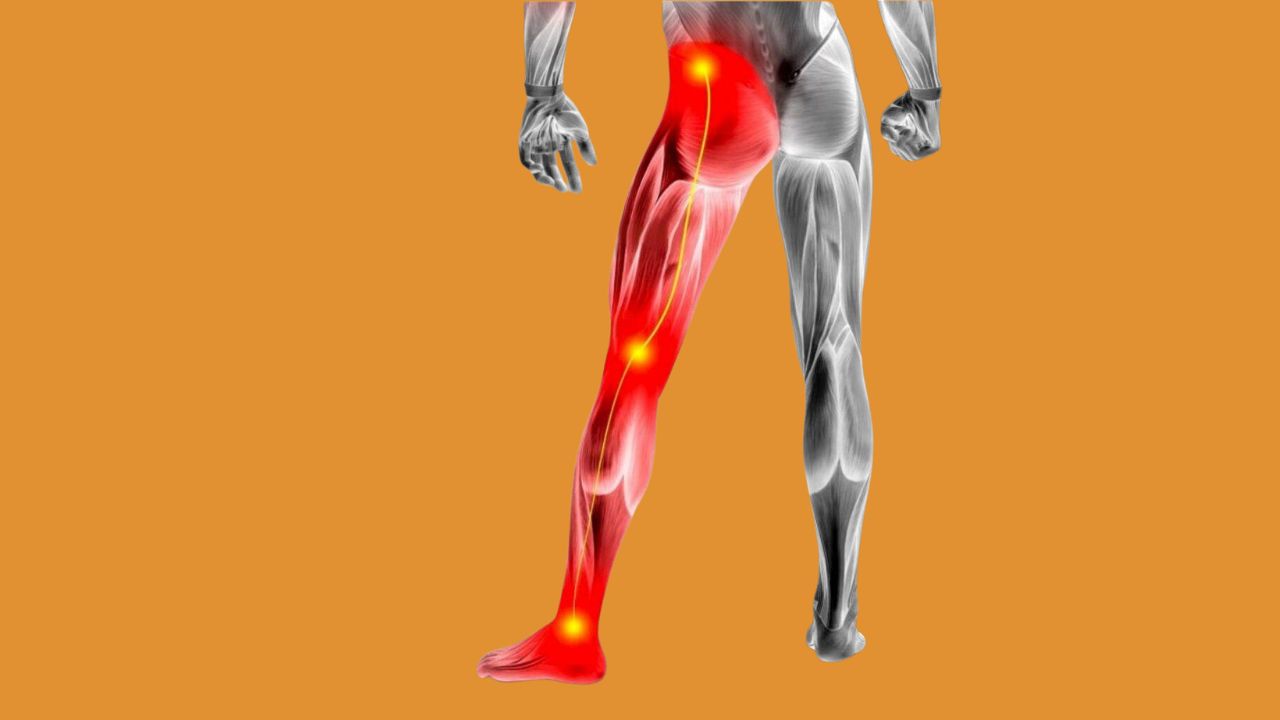
Spondylolisthesis is a spine condition that really can mess with your day to day life if it stays untreated. Lots of people end up with this constant ache in the lower back, plus leg discomfort, and maybe tingling , numbness, or they feel like they move a bit less, but they don’t always link it to daily routines, or the simple rhythms of normal life, like you would expect.
Sometimes it’s more like a vague idea than something practical. Figuring out what commonly makes spondylolisthesis worse is usually the very first move toward protecting your spine, and also helps keep extra strain or damage from quietly adding up.
If your symptoms just keep returning, it can be smart to talk with the Best Spinal Surgeon in London, or another trained consultant spinal surgeon. They can steer you toward a proper, clear diagnosis and then a spondylolisthesis treatment plan that matches your own circumstances.
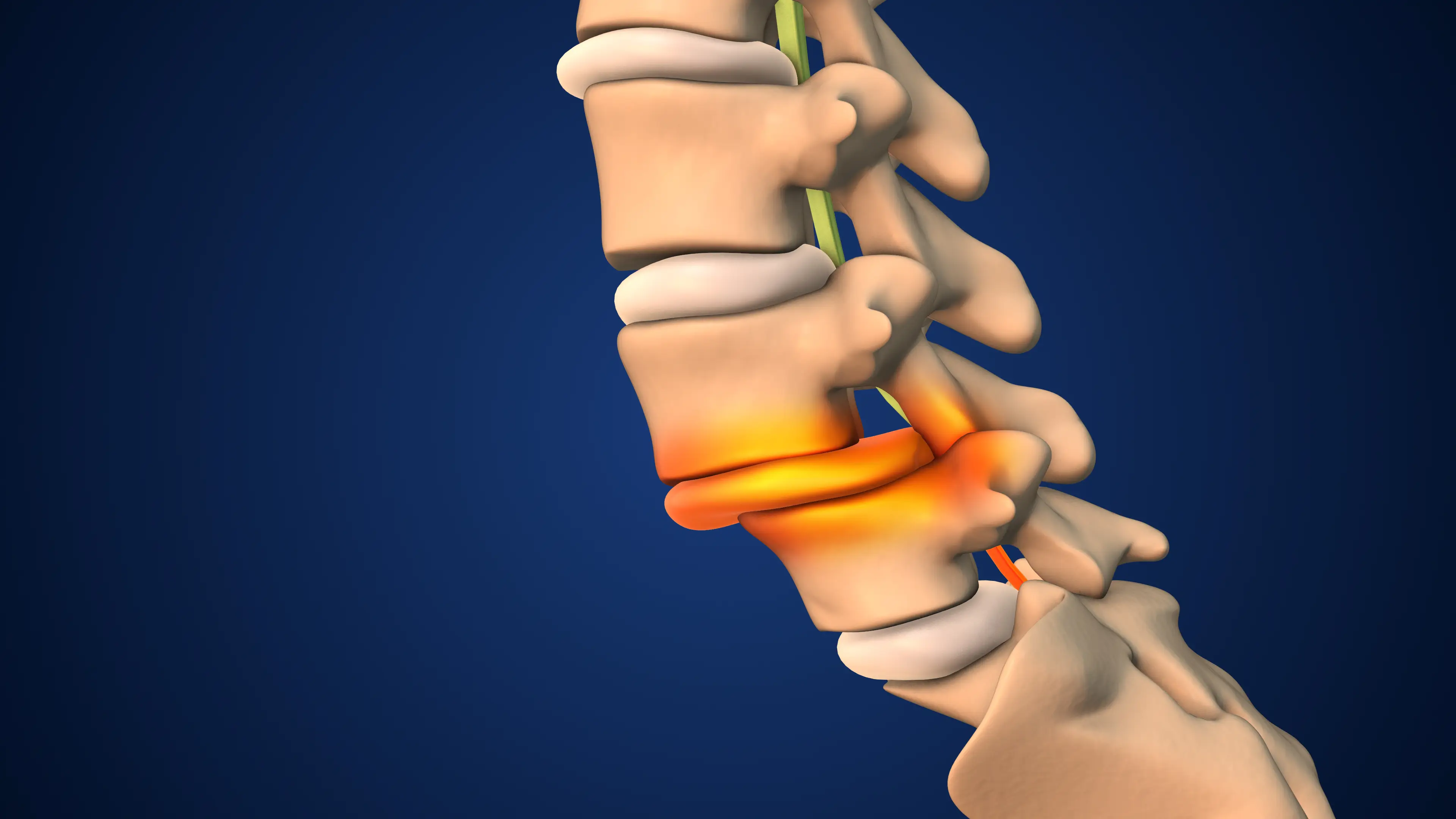
Spondylolisthesis is when one vertebra sorta slides forward over the vertebra underneath it. This kind of spinal instability is most commonly spotted in the lumbar spine ,that is the lower back. Still it can also happen higher up through other spinal regions.
The situation can vary a lot, from mild to quite severe, and it may develop because of :
Common symptoms include:
Early diagnosis allows patients to benefit from conservative treatment for spondylolisthesis, while advanced cases may require surgical intervention by a Spinal Consultant or experienced spine specialist.
Bad sitting posture is one of the main contributors to the symptoms getting worse, like it slowly becomes more irritating over time. When you sit for long periods it really increases pressure on the lumbar spine, especially if your posture is slightly off , or you kind of fold in without noticing.
To sit more comfortably with spondylolisthesis it can help to slow down your position changes, not just “plant and forget”
Ergonomic chairs can help a lot, especially for office workers because they can reduce spinal stress. Your spine specialist may even suggest posture correction exercises as part of your lumbar spondylolisthesis treatment.
Many patients ask whether wearing a back brace can help.
The best back brace depends on your symptoms and the severity of vertebral slippage. A properly fitted lumbar support brace can:
However, braces should not replace exercise or physical therapy, maybe not enough though. In the long run dependence can weaken the supporting muscles.
Before you buy any brace, I mean really before purchasing , consult a leading spine specialist, or even a consultant spinal surgeon, to figure out if bracing is suitable for your specific condition and your treatment aims.
Sleep is essential for spinal recovery, yet a bad sleep position can make things feel worse. Sometimes it’s not that the pain is new, it’s more like the body stays in this tense awkward position longer than it should, like it just can’t let go. Even if nothing else happens , it keeps going on. For a more steady recuperation, people often recommend certain positions. Here are a few of them that are commonly suggested:
Try putting a pillow under your knees, this helps reduce the pressure on your lower back, and keeps your spine in a more steady alignment , sort of. If you can, make sure the pillow is comfy enough that your hips and knees sit about right, so your back does not have to work as hard.
Try putting a pillow between your knees, so your hips stay aligned and you don’t end up twisting your spine as much. It kinda helps keep everything sort of steady, less turning while you’re resting ,and more support in that area.
Lying on your stomach seems to push the lumbar spine into a stretch that is honestly a bit too much, so your symptoms can end up worse, not improved. In most cases a medium firm mattress is the safer option, since it gives steadier spinal support than something very soft or plush. Your spine specialists might even suggest particular positioning tricks depending on how severe the condition is, sometimes small changes really matter.
Some lifestyle factors can kind of speed up spinal instability and also make pain more noticeable, and more persistent. It is not always obvious at first, but those daily habits can play a role in how sensitive the spine becomes.
Improper lifting can put too much weight and unsteady stress on the lumbar vertebrae. If you lift again and again, it can make the vertebrae slip more and can also add pressure on the nerves, kinda like they get squeezed.
Try lifting with your legs, not by folding from your waist , because that tends to strain more than it should.
Slouching while you sit, stand , or when you’re using electronic devices keeps putting continuous pressure on the lower spine. If you maintain a good posture it helps lower the mechanical stress and it can also slow the symptoms from progressing too fast.
Things like jumping, twisting, or doing that repeated backward spinal extension motion can make spondylolisthesis feel worse, or get more aggravated over time. This is usually true when those actions happen again and again, or when they’re done in a way that stresses the low back. Examples include:
Patients should talk about safe exercise alternatives with their spine specialist . Sometimes it might help to ask for something more low impact too, and not just push through. In other words, have a real chat with them before you try new moves.
Some individuals keep doing everyday stuff even while the pain gets more intense over time. If someone just ignores the signs, inflammation can keep going, and nerve irritation may end up getting worse, so later on treating spondylolisthesis becomes more difficult.
Extra body weight can put more strain on the lumbar spine, and it seems to make degeneration come along faster, so the discomfort gets worse with time.
Sticking to a healthy weight is usually recommended in spondylolisthesis treatments, so the whole situation feels a little more manageable, and in general less tense.
The abdominal along with the back muscles help stabilize the spine , kind of holding it steady even when you move. When the muscles are weaker they kind of give less support, so you end up with more spinal motion, and that tends to make the symptoms more noticeable with time, unfortunately.
Smoking really reduces that blood flow into spinal tissues, and it also slows the whole healing process, plus it tends to crank up disc degeneration a bit. In other words it makes recovery more hard overall, even if you feel fine at first.
Even everyday stuff can end up making symptoms get worse, if it is not done in a careful way. Like those routine tasks you do all the time, if you rush, or just sort of do them the wrong way , then things tend to feel more intense over time.
If you stand too long, you increase pressure down in the lower spine. Try taking short walking breaks whenever possible, even if it feels small or minor, because it helps your body shift a bit.
Office workers sometimes end up with worsening back pain because all that extended sitting, kind of compresses the lumbar discs, more than people realize. Still, when someone keeps shifting around and moves regularly, that small habit helps reduce that stiffness, and it feels less rigid over time.
Gardening, cleaning ,and other household tasks usually make you bend again and again, you know? Instead of bending from the waist, try squatting with your knees a bit more, like, keep your back straight. Think of it as a steady stance, kind of a fixed posture, you know, so you don’t just lean over. It’s like you trade the old fold for a more grounded, stable position.
Sudden twisting while you’re carrying groceries or lifting children can put a lot of pressure on those unstable vertebrae, even more than you’d think. Try not to just twist your spine, because it can get stressed fast or feel off. Instead , turn your whole body instead of only your back, like you switch your stance first, and then move.
Uneven weight distribution puts extra strain on the spinal joints, and honestly it can feel more intense than it should. Try using a backpack that has two straps , or simply split the heavy loads evenly across both sides so nothing tilts to one place.
Even though too much activity can make symptoms flare up, completely stopping movement is a problem too, because the supporting muscles get weaker, more or less. That’s why low impact routines like walking, swimming, or structured physio with an actual guide are often suggested as part of a bigger plan for taking care of lumbar spondylolisthesis, in a kind of steady way.
Treatment usually depends on how intense the symptoms are, if there’s spinal instability, and whether you’re generally healthy overall or not. Some non surgical options might involve things like physical therapy ,and maybe other strengthening approaches too.
When conservative care doesn’t really manage to ease the symptoms, a Top Spinal Surgeon in London might suggest either minimally invasive surgery or more traditional spinal surgery, depending on the case. And honestly, modern surgical techniques usually bring a quicker recovery, shorter incisions, and better longer term spinal stability too.
If you have persistent low back pain, numbness, or leg weakness and it’s messing with your everyday routine, getting checked early is essential. Mr. Irfan Malik is a really seasoned consultant spinal surgeon, focused on identifying and treating complicated spine problems, including spondylolisthesis.
So whether you’re looking for a conservative spondylolisthesis plan, or you need more advanced spondylolisthesis care, or even minimally invasive spinal surgery, expert guidance from a trusted Spinal Consultant can help you get back to a better quality of life.
And if you are trying to find the Best Spinal Surgeon in London, the Top Spinal Surgeon in London, a top spine specialist, the best spine specialist UK, or experienced spine consultants, booking a consultation with Mr. Irfan Malik might be the right step. It can help you understand your options, and start your road toward longer term spinal well-being.

Consultant Spinal Neurosurgeon
I am a renowned spinal neurosurgeon based in London, recognized as one of the foremost experts in this field. With years of specialized training and vast experience, I have performed countless successful surgeries, earning a reputation as the go-to specialist for complex spinal conditions. My expertise spans minimally invasive spinal surgery, treatment of spinal deformities, degenerative conditions, and trauma-related injuries.
Research and Insights
Explore a collection of our research and scholarly articles. Each publication reflects our commitment to advancing knowledge and contributing to the field.
Copyright © 2026 All rights reserved Mr. Irfan Malik