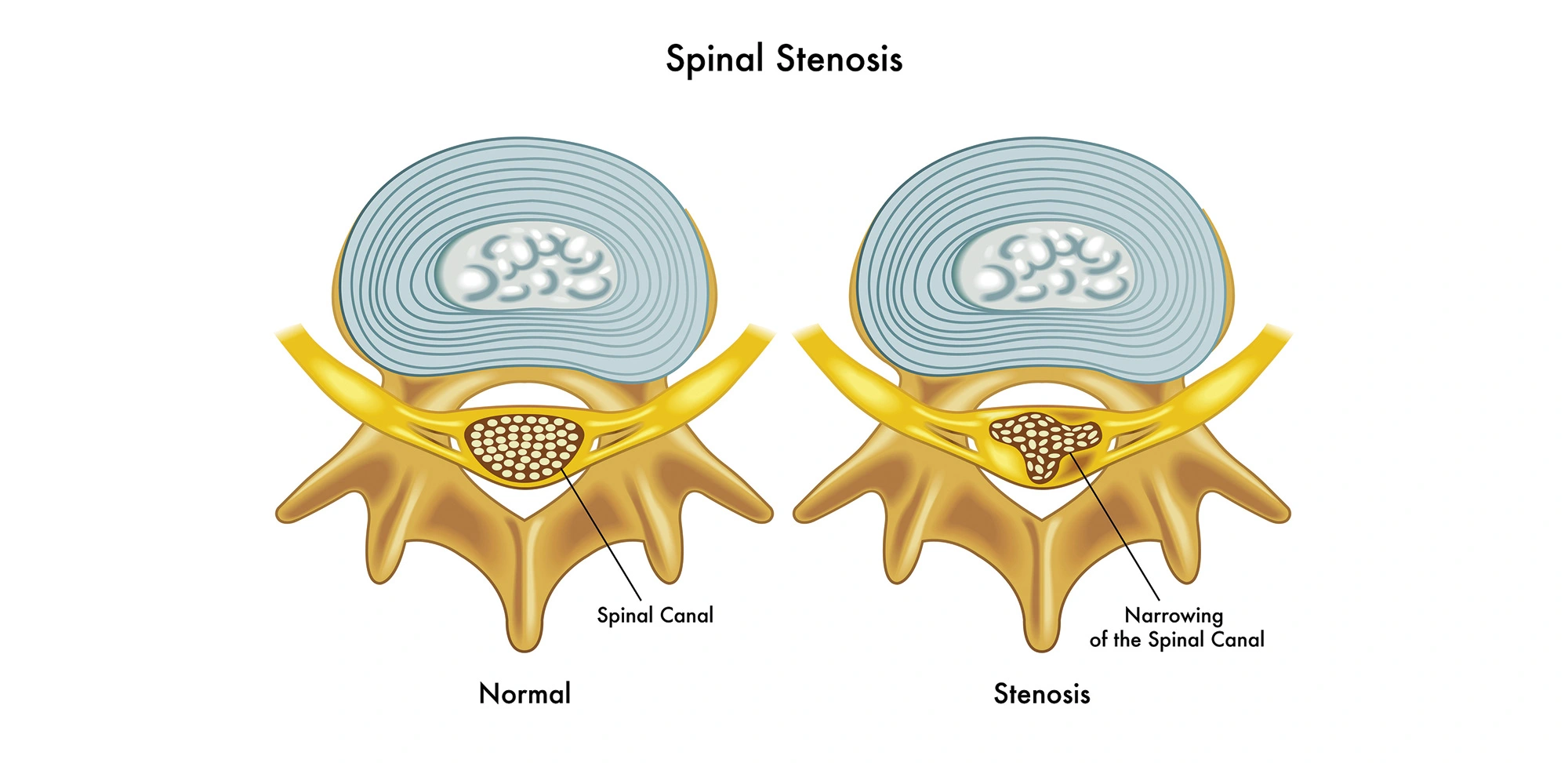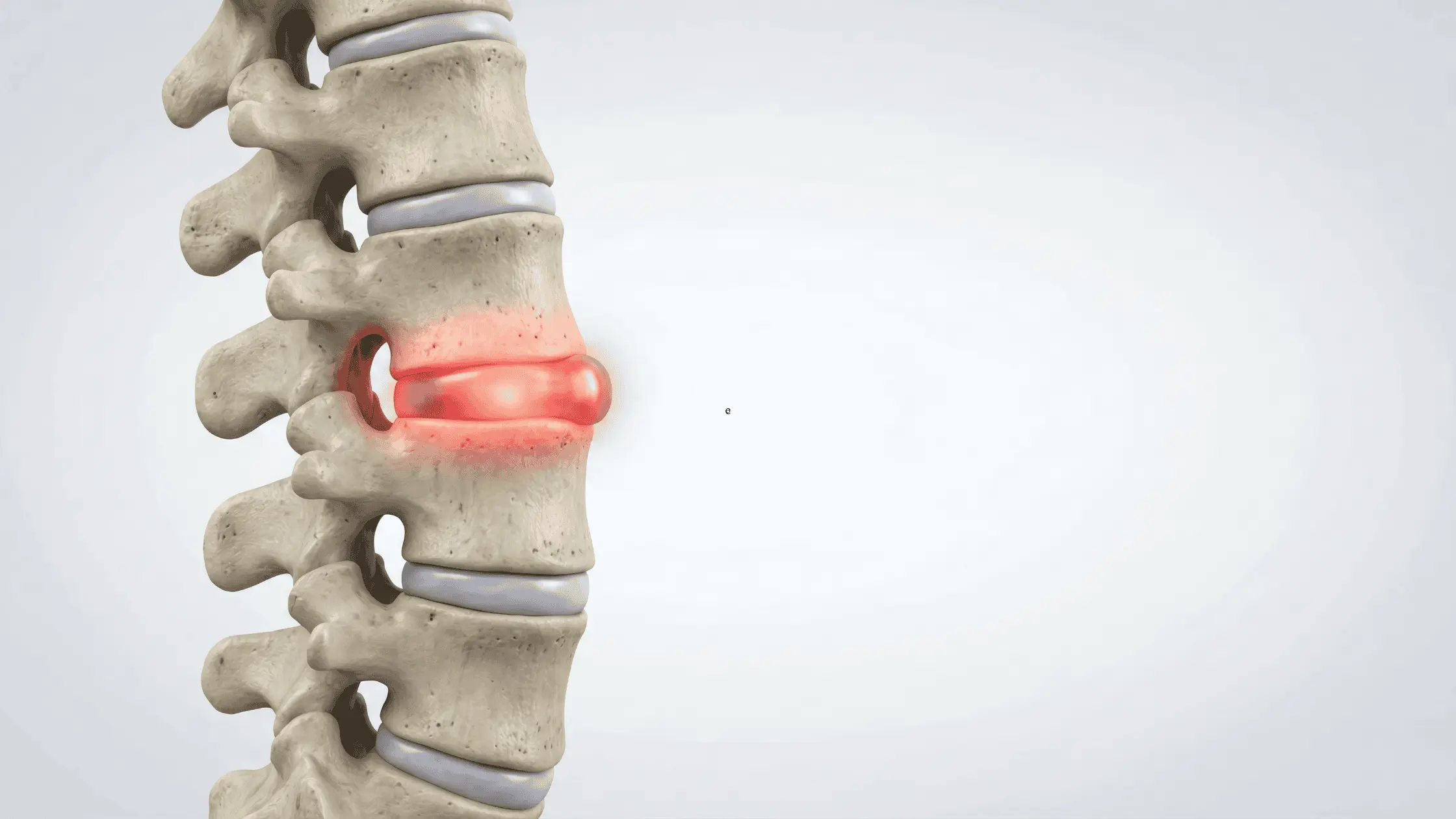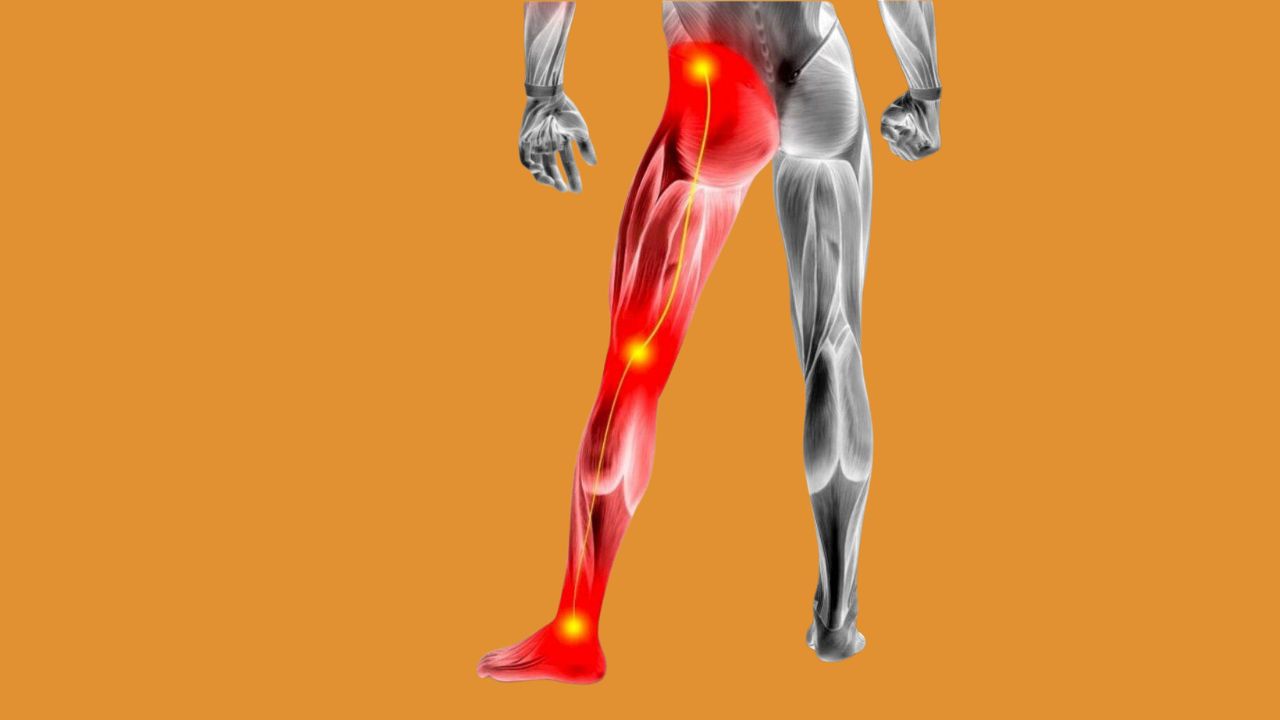
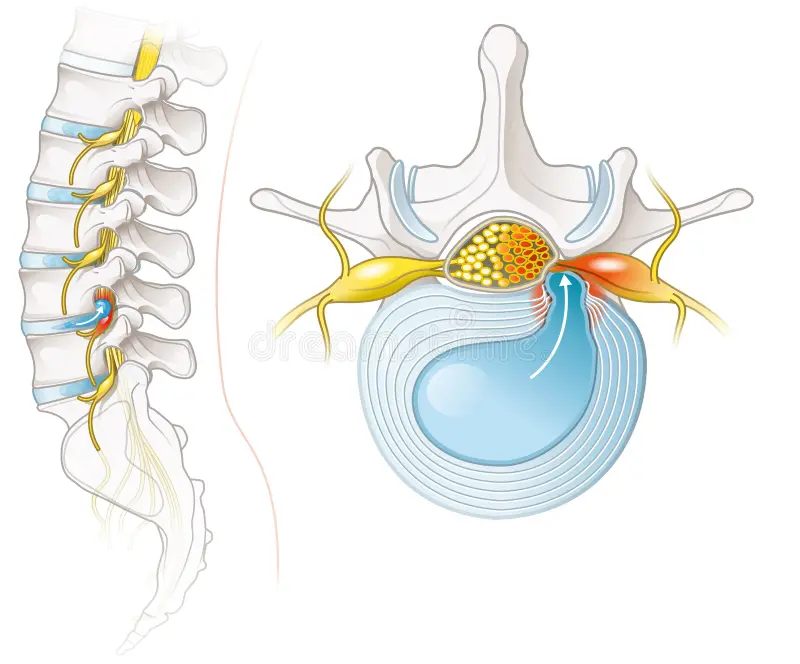
A herniated disc is one of the most common reasons behind neck pain, lower back pain, numbness, and that sciatica feeling. It happens when the soft inner part of a spinal disc pushes out through its tougher outer cover,kind of like it’s nudging its way into the neighborhood, and then it ends up irritating nearby nerves. The good part is that today there are a lot of real, effective treatment options for a herniated disc, from more conservative therapies all the way to advanced spine surgery.
What counts as the right herniated disc treatment usually depends on a few things, including how intense your symptoms are, where the affected disc sits, and how much it messes with your everyday routines. In a good number of situations, non surgical treatments for a herniated disc can bring excellent results, and surgery is mainly kept for cases that don’t improve, or when symptoms are especially severe.
Below are eight proven options for disc herniation treatment that may help ease pain, bring back movement, and support your overall quality of life.
One of the first recommendations for treatment for prolapsed disc is controlled rest combined with activity modification. While full bed rest is no longer really advised, cutting back on activities that make symptoms worse helps the irritated nerves kind of recover again.
Light movement really helps with blood flow, reduces stiffness, and can support recovery , so it’s good to stay a bit active. Many patients experience noticeable improvement within several weeks using this conservative prolapsed disc treatment approach.
Physical therapy still stays one of the more successful treatments for a herniated disc that anyone can access. A trained physical therapist designs some sort of individualized plan , to reduce pain, while also helping with flexibility and better overall spinal stability.
A physical therapy program may include:
Patients with herniated disc in neck treatment needs often receive cervical stabilization exercises that reduce pressure on the affected nerves.
For lumbar disc issues , therapists usually try to clean up movement patterns and build up those muscles that steady the lower back. Physical therapy is often seen as one of the safest long term options for disc herniation , too.
A strong core muscles give real support for the spine, basically without them things feel a bit wobbly, and then the spinal discs get more work than they should. When abdominal and back muscles are weak , stress tends to rise on the discs and recovery can be slow or delayed, not always , but often. Core stabilization exercises usually use a couple of simple movements like pelvic tilts, and the bird dog exercise.
Regular exercise helps with: posture improvement , easing recurring pain, bumping up flexibility, and preventing future injuries. These exercises are often part of comprehensive disc herniation treatment programs, because they support patients in getting function back, while also reducing reliance on medicine, in a more steadier way.
Medication can play an important role in herniated disc pain treatment, especially in the early stages where the inflammation is pretty high, like at the start. Sometimes it helps more than people expect, even if it’s only a short while.
Common medication options include anti-inflammatory medicines ( NSAIDs ) , plus pain relievers such as stuff used to calm soreness and discomfort, that sort of thing .
Medication does not actually mend the damaged disc, but it does help keep the symptoms in check while someone is doing rehabilitation. A healthcare professional will decide on the safest medicine for you, based on your past health details.
For many people, medication paired with physical therapy can be quite effective for a herniated disc, without needing surgery.
If discomfort keeps going even after conservative care, epidural steroid injections could be suggested as part of the herniated discs handling.
During the procedure, a corticosteroid medicine is injected around the agitated spinal nerve to calm inflammation.
Even though epidural injections do not really fix the disc problem in a permanent sense, they commonly give sufficient symptom relief, to help someone get better via rehab.
A lot of patients who are dealing with harsh sciatica tend to benefit from this less invasive treatment for a bulging or slipped disc.
When symptoms hang around for more than a few weeks, or when new neurological issues start cropping up, then surgery could become necessary, maybe sooner rather than later. A minimally invasive microdiscectomy is among the most often done procedures for handling disc herniation.
During the procedure, the surgeon removes the damaged portion of the disc that is pressing on the nerve, all the while making sure the healthy spinal structures stay intact, more or less as they were.
Advantages include,
Lots of patients get this immediate kind of relief in the leg area after surgery, and then they can go back to regular daily stuff much faster than people usually do with the old fashioned open approach.
These modern spine surgery methods have actually helped recovery move along quicker and outcomes look much better for patients.
Artificial Disc Replacement (ADR) counts as a more advanced surgical path for certain patients who have damaged cervical or lumbar discs , in particular.
Rather than taking out the disc and fusing the adjacent bones into one fixed unit, the surgeon puts in an artificial implant that keeps the spine moving.
Benefits often tied to ADR include:
ADR is not suitable for everybody, but when patients are chosen carefully they can often reach outstanding results.
Talking with a seasoned consultant spinal surgeon also helps to figure out whether artificial disc replacement fits your particular situation.
Spinal fusion still counts as a solid option for people who have severe instability in the spine, disc problems that come back again and again, or more advanced degeneration.
In the course of fusion surgery , two or more vertebrae are joined in a fixed way so the painful motion gets removed , permanently .
Spinal fusion may be recommended when:
Even if recovery lasts longer than a few minimally invasive procedures, spinal fusion can still offer enduring pain relief and better spinal stability. An experienced spinal surgeon , or someone just as trained, reviews each person's situation very carefully first, before suggesting the fusion operation.
Every patient answers in a different way to a herniated disc treatment. Picking the most effective route depends on several important things , especially on things like: how severe the symptoms are, and how long they've been around.
Most patients usually do get better when they go with conservative measures for a herniated disc, like physiotherapy , guided movement plans, and some medication. Still, if the symptoms keep lingering after a few weeks of sticking with that, surgery might end up being the most reasonable choice, in a sort of straight forward way.
If someone starts noticing bowel or bladder trouble, real intense muscle weakness, or nervous system signs that seem to be getting worse as time goes on , they really should not wait around at all. They should get checked right away, no delays, because it can matter.
If you have ongoing neck pain, lower back pain, sciatica, or symptoms that feel like they come from a prolapsed , or herniated disc, getting an early diagnosis really matters if you want the best possible outcome.
Mr. Irfan Malik is a seasoned consultant spinal surgeon who provides a full, careful evaluation and a personal plan for herniated disc treatment. Depending on what you need, the care can range from conservative management and rehabilitation all the way to advanced minimally invasive spine surgery, so each suggestion is aligned with the patient's actual situation.
Arrange your consultation with Mr. Irfan Malik, the top spinal surgeon in London, for an expert diagnosis, talk through the latest options for prolapsed disc treatment, and start your path toward longer lasting pain relief, better mobility, and a healthier spine .

Consultant Spinal Neurosurgeon
I am a renowned spinal neurosurgeon based in London, recognized as one of the foremost experts in this field. With years of specialized training and vast experience, I have performed countless successful surgeries, earning a reputation as the go-to specialist for complex spinal conditions. My expertise spans minimally invasive spinal surgery, treatment of spinal deformities, degenerative conditions, and trauma-related injuries.
Research and Insights
Explore a collection of our research and scholarly articles. Each publication reflects our commitment to advancing knowledge and contributing to the field.
Copyright © 2026 All rights reserved Mr. Irfan Malik