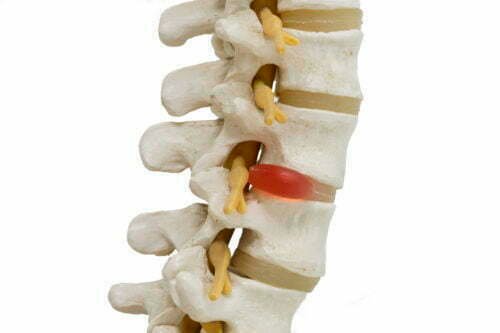
Back, or neck pain can mess with pretty much everything you do each day, from working to driving and trying to sleep in some kind of comfy position. One of the more common reasons people end up dealing with ongoing spinal issues is a herniated disc. And sure, a lot of folks ask, what does a herniated disc feel like ? Well, that sort of answer really depends on where the disc is sitting, and also whether nearby nerves are getting pinched or even irritated.
When you have a herniated disc, the whole deal can swing from pretty mild discomfort to pain that feels really intense, like it takes over your attention, completely. You may also see numbness, a bit of muscle weakness, and those strange tingling feelings that pop in, fade out, and then show up again. If you catch the signs early it can be a lot easier to get the correct herniated disc treatment rolling, before things start getting worse.
In this guide, we’ll go over what a herniated disc actually is , what it tends to feel like, the usual symptoms, how clinicians confirm the diagnosis, which treatment options are on the table, and when it’s time to reach out to an experienced spine surgeon.
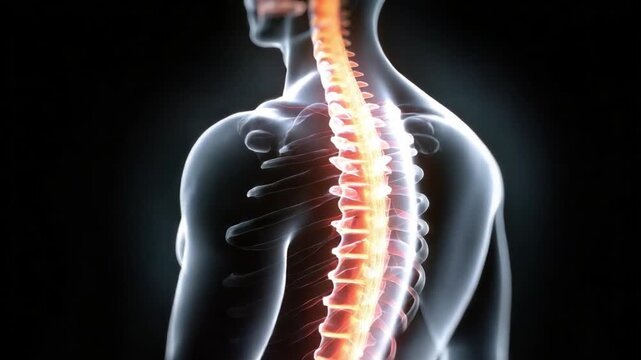
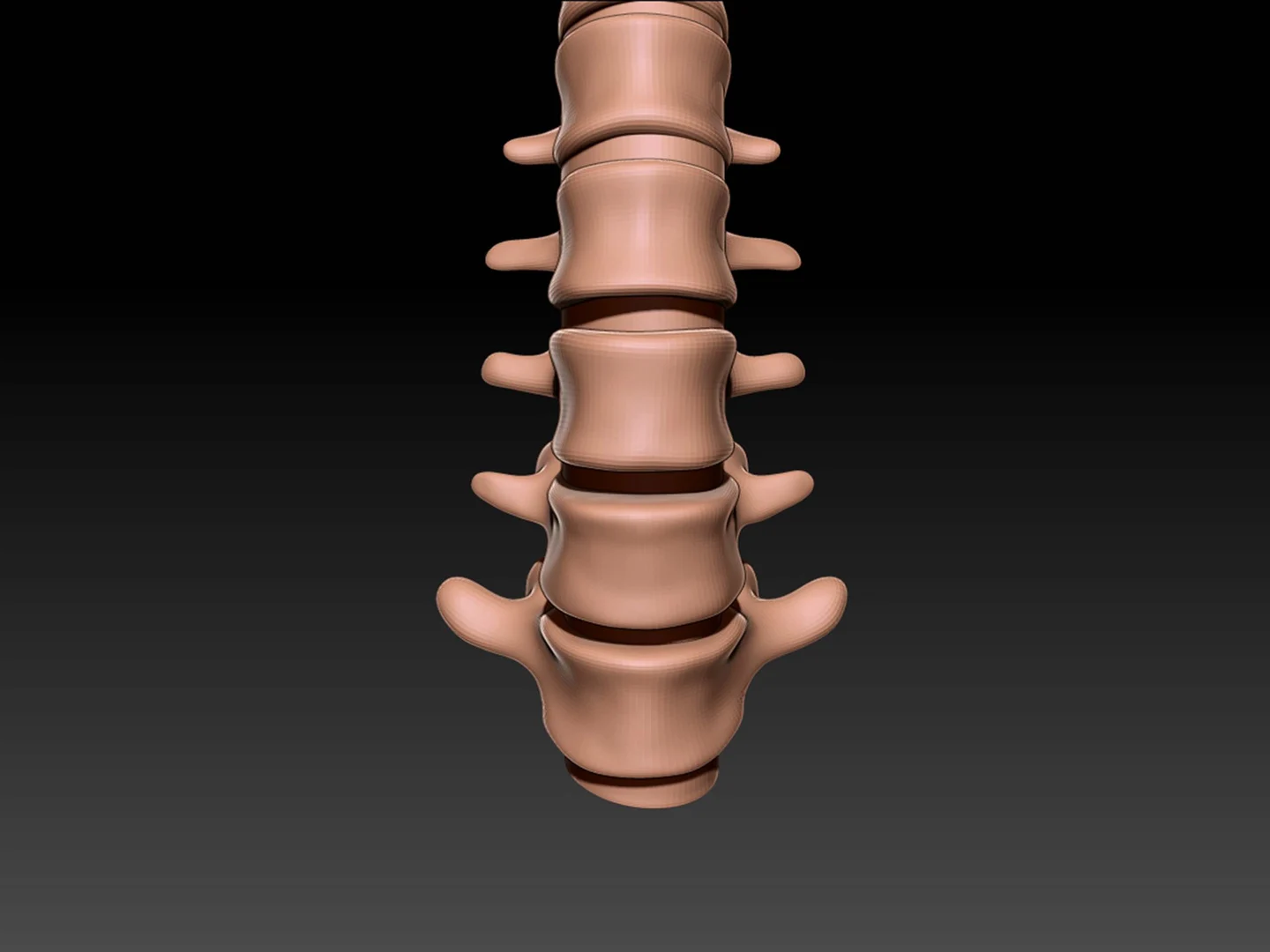
Your spine has soft cushions called intervertebral discs, they’re placed in between each vertebra. Those discs act kind of like shock absorbers, so your spine can slide and flex a bit more smoothly, while still shielding the vertebrae from too much pressure.
A herniated disc starts when the tough outer layer of the disc gets a small tear and then the softer interior starts moving outward. After that, the protruding tissue can press on nearby spinal nerves, which can lead to pain, and also numbness, tingling, or other neurological signs.
Even though anybody can end up dealing with this condition, it seems like it shows up more often in adults, within the age range of roughly 30 to 60. Luckily quite a few patients start feeling better when they use conservative care for a prolapsed disc, while some others might be better off with a minimally invasive spine surgery, if the symptoms keep lingering , or if they just dont quite ease up, you know they kinda stay around.
A lot of patients say a herniated disc feels like more than just ordinary back ache. That discomfort usually doesn’t stay put in one spot, it kind of travels along the compressed nerve path , kind of like a radiating discomfort, even if it starts somewhere else.
If the issue shows up in the lower back you might notice things like:
Pain that feels like it radiates into the buttock and keeps going, like kind of deep and stubborn. You might also notice a shooting pain down one leg, basically sciatica. And then there is that tingling in the foot, like pins and needles, not always constant but present enough to notice it. Numbness in the calf or toes, sometimes more obvious, sometimes kinda faint, like it’s there in a quiet way.
When a herniated disc shows up in the neck it may bring along symptoms that are sort of expected, like shoulder or arm pain, tingling, numbness, and sometimes weakness. A lot of people also say they get this steady ache that actually ramps up when they twist, move around, or bend their head, pretty much. In some other situations the whole thing feels less like pain and more like a burning or sparking kind of feeling.
Some patients say it feels like burning, stabbing, electric shock type, or just a deep aching sensation. Others also notice that long sitting stretches, bending forward, and even coughing or sneezing can make the pain go way up, like noticeably.
What it feels like can change with the herniated disc size, and which nerve gets irritated. Getting an early look by a consultant spinal surgeon can really help pin down what’s driving it, before permanent nerve damage starts to set in.
Common signs of a Herniated Disc can show up in some people, and in others it kinda looks a bit different. Symptoms are not always the same, because it can vary from person to person, so you might notice one thing, while someone else experiences another.
Some individuals have very little pain, while others deal with more severe nerve compression and it can be pretty rough. The most common symptoms include , which are these
Pain usually shows up near the affected part of the spinal column, kind of right there. A lumbar disc can bring about lower back pain, and a cervical disc tends to create neck pain.
Pain can drift out into the arms or legs, depending on which spinal nerves are being irritated,so it kind of travels along those routes.
Pins and needle-like sensations often show up in the hands, fingers, legs , or feet, kind of like tiny tingles that come and go for no clear reason.
When compressed nerves happen they can quietly lower muscle strength, so it becomes harder to lift stuff, walk up stairs, or keep up balance too. In general, you might notice a kind of weakness that makes simple everyday movements feel oddly heavy.
A lot of patients say it can be kinda painful to bend, to twist, or even just sit for long stretches and you know, it doesn’t feel very pleasant, not really. Some of them also mention that turning a little too much feels uncomfortable, and staying in one position too long is a whole thing.
One of the most recognized symptoms is sciatica, where the pain kind of travels from the lower back, into the buttock and then down the leg.
If your symptoms are still getting worse even after you rest, then you should look into a more professional, kind of hands on approach for disc herniation treatment without delay , because time matters.
An accurate diagnosis is essential before starting any treatment for a herniated disc, but really you want to be sure first. A specialist will review your medical history, and talk through your symptoms, like when they started, plus what kinds of activities make it feel better or worse. Then, during the physical examination, your spinal surgeon will assess and evaluate things like these:
Imaging tests may include:
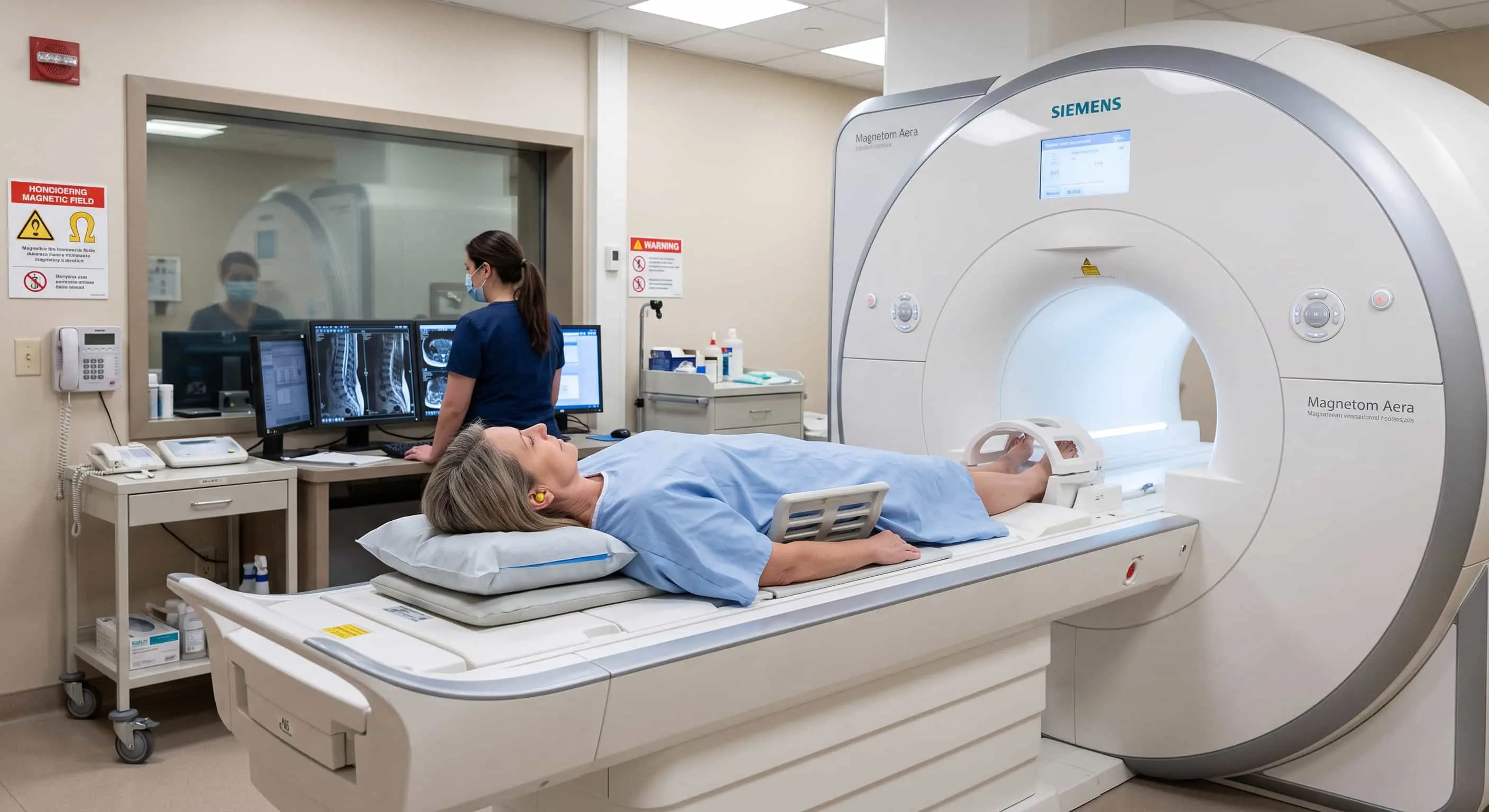
An MRI is basically the gold standard for spotting herniated discs. It shows the discs quite clearly, also the spinal nerves and even the soft tissues around everything, so it’s like a full view.
A CT scan might be recommended when an MRI isn't suitable, or if that approach feels a bit not right for the person. Sometimes the imaging suite, you know, chooses CT instead , due to practical needs or constraints, and it can be a fine alternative.
Even if X-rays can't directly show a herniated disc, they help sort out, in a roundabout sort of way, things like fractures, arthritic changes, or spinal instability.
In a few situations, nerve tests can help, kind of figure out whether nerve compression is quietly interfering with muscle function, and all that.
Once you get a clear diagnosis , your specialist can move toward the most fitting treatment for a disc herniation based on your particular set up, like the specific way things are.
The good news is that a lot of patients do recover on their own, no surgery needed most of the time either. For many of them it kind of resolves naturally, kind of on its own without any major procedure, so there is hope in that.
The “right” approach for the herniated disc, particularly the one on the right side, usually depends on how strong the symptoms are, whether a nerve is being bothered or irritated, and how overall spinal wellbeing is doing at that moment.
Most patients begin with non-surgical care, including:
Pain relieving medication , sometimes it’s just what you use first. Anti-inflammatory medicines help reduce swelling and those annoying aches. And then there is heat and ice therapy, you alternate warmth and cold , for soothing, calming even a bit.
These approaches often provide effective herniated disc pain treatment within several weeks.
For people with ongoing nerve pain, epidural steroid shots might lower the inflammation around the particular nerve, so the rehab or physiotherapy can keep going a bit more easily, and without such awkward discomfort.
When the cervical spine gets involved, the treatment can run into specialized physiotherapy, posture re education, medication, and sometimes really targeted injections too. In general, most people do get better without going to surgery, even if that seems like it might be needed at first, though in the case of severe nerve compression, additional steps may still be required later on for sure.
If the conservative care doesn't really work after a few weeks, or if the neurological symptoms get worse , then a minimally invasive spine procedure might be recommended. In that kind of situation surgery in the back area is often talked about, kinda as a last step, not right away.
Modern procedures offer:
Depending on the diagnosis, procedures such as microdiscectomy might remove the section of the disc that is pressing on the nerve.
For many patients these advanced treatments for a herniated disc tend to give excellent long term relief too, while still preserving spinal stability, so it’s not just a short term fix.
Persistent back or neck discomfort should not be pushed aside, especially if it comes together with numbness , weakness , or that shooting pain which travels down the leg or through the arm.
Mr. Irfan Malik is a very experienced consultant spinal surgeon , focusing on identifying and managing spinal issues, such as disc herniation , spinal stenosis , sciatica, and age related degenerative spine problems.
If you’re looking for conservative treatment for a prolapsed disc , need advanced imaging, or are considering minimally invasive spine surgery, Mr. Malik builds a personalized path forward, with the aim of easing pain and getting your movement back to normal again.
For anyone searching for a spinal surgeon in the UK, a best spinal surgeon in London, or simply one of the top spinal surgeons in the UK, arranging an early appointment can support you in getting a precise diagnosis and the most fitting option for your specific condition.

Consultant Spinal Neurosurgeon
I am a renowned spinal neurosurgeon based in London, recognized as one of the foremost experts in this field. With years of specialized training and vast experience, I have performed countless successful surgeries, earning a reputation as the go-to specialist for complex spinal conditions. My expertise spans minimally invasive spinal surgery, treatment of spinal deformities, degenerative conditions, and trauma-related injuries.
Research and Insights
Explore a collection of our research and scholarly articles. Each publication reflects our commitment to advancing knowledge and contributing to the field.
Copyright © 2026 All rights reserved Mr. Irfan Malik