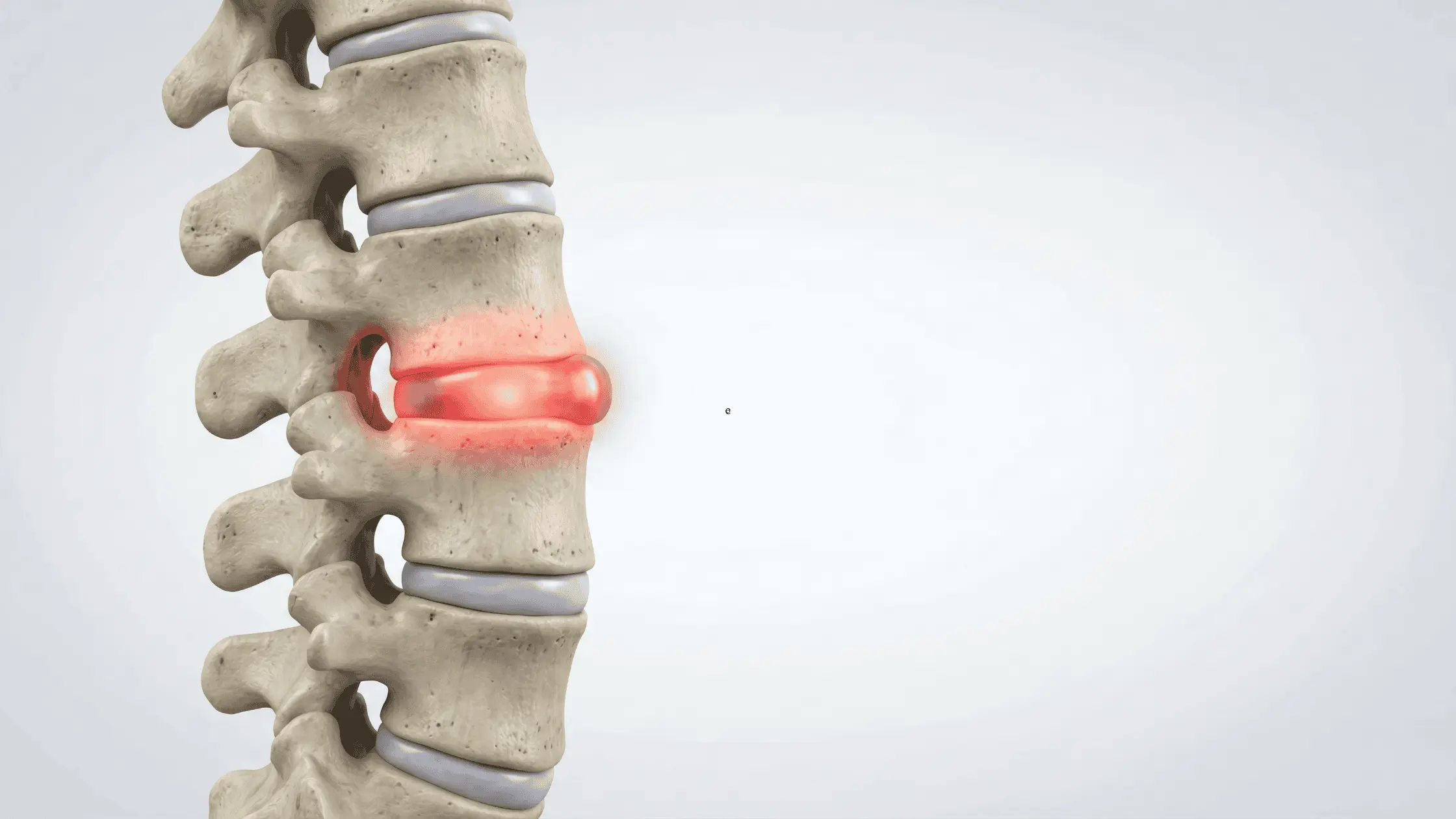
Spinal stenosis is one of those rather common spine related troubles for adults, especially for people above the age of 50. It tends to appear when the gaps inside the spine start to become smaller, and at that point there’s pressure on the spinal cord, or on nearby nerve roots. With that kind of compression a person may notice pain, numbness, tingling, weakness, and also trouble walking.
The newest direction in treating Spinal Stenosis is Endoscopic Spine Surgery, which is a more advanced type of Minimally Invasive Spine Surgery. In practice, it lets surgeons treat irritated or compressed nerves through a very small incision, and it’s often considered a less traumatic approach. In comparison with traditional spine surgery, this technique can mean faster recovery, less postoperative discomfort , minimal blood loss, and reduced harm to nearby muscles and soft tissues.
Many patients looking for the Top Spinal Surgeon in London or the Best Spinal Surgeon in London , also end up considering endoscopic procedures because they pair modern, cutting edge tools with very good overall results for patients.
Medical technology has, kind of, changed how spinal disorders are handled. Endoscopic Spine Surgery is often looked at as one of the major upgrades in spinal care, mostly because it lets surgeons do this very careful work, using a small camera, an endoscope.
Unlike traditional open spine surgery, this approach usually requires only a small incision, not some huge exposure, overall. The surgeon slips the endoscope through that opening to look at the affected area on a high definition monitor. After that, dedicated surgical instruments are used to take away bone spurs, bulky ligament tissue or injured tissue that ends up pressing on the nerves.
So , the benefits of Endoscopic Spine Surgery include, you know, smaller incisions with minimal scarring , which is kind of a big deal.
Afterward, they go back to normal daily activities, sooner than you might think. A lot of patients who are searching for the top spinal surgeon in London choose this pioneering treatment, because it gives really strong results while also reducing recovery time in a more gentle way.
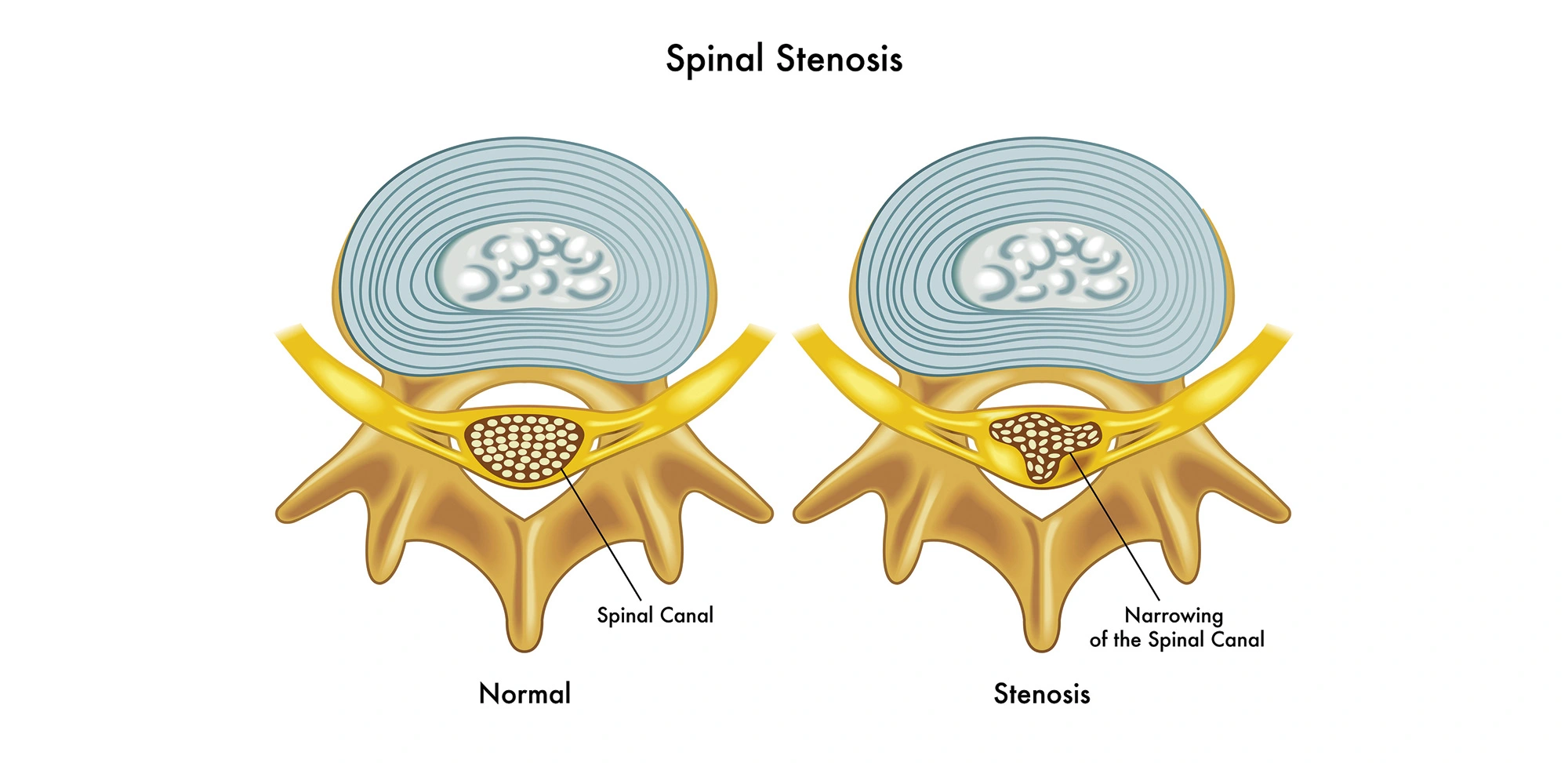
Spinal stenosis happens when the spinal canal sort of gets narrower, and over time it starts pressing on the nerves, which is kinda what causes the trouble in the end.
This narrowing is often age related degeneration, but it can also appear after injuries, arthritis, a herniated disc or when the spinal ligaments become thickened. Sometimes it feels like a kind of road that slowly turns too tight and the nerve pathways get squished , a bit like that.
Common symptoms include:
It can be kind of hard to stand , or to walk for long stretches, even if you really want to. There is usually pain that seems to ease up when you are sitting or when you bend forward, sort of like a small relief. How it gets treated depends on how intense the symptoms are , so the plan can look a bit different person to person.
Patients with mild or moderate symptoms often get better with conservative treatments, like physical therapy and anti inflammatory medications, sometimes it’s enough, honestly.
When these treatments don't really give long term relief, surgery might end up being the most effective choice. Modern minimally invasive spine surgery methods have improved patient outcomes quite a bit, mostly because they reduce surgical trauma , while still managing to relieve nerve compression in a direct way.
There are different forms of Spinal Stenosis, depending on where the narrowing develops.
Cervical Spinal Stenosis affects the neck part of the spine, sort of in that area. When the spinal cord is compressed there it can bring symptoms that touch both the upper and lower body, sometimes kind of mixed together. Common signs include:
If it is not handled, Cervical Spinal Stenosis can slowly get worse, and then later it may start changing how someone walks , and they may also struggle with day to day tasks too
Getting an early diagnosis from an experienced consultant spinal surgeon really matters , because it can help prevent lasting nerve damage
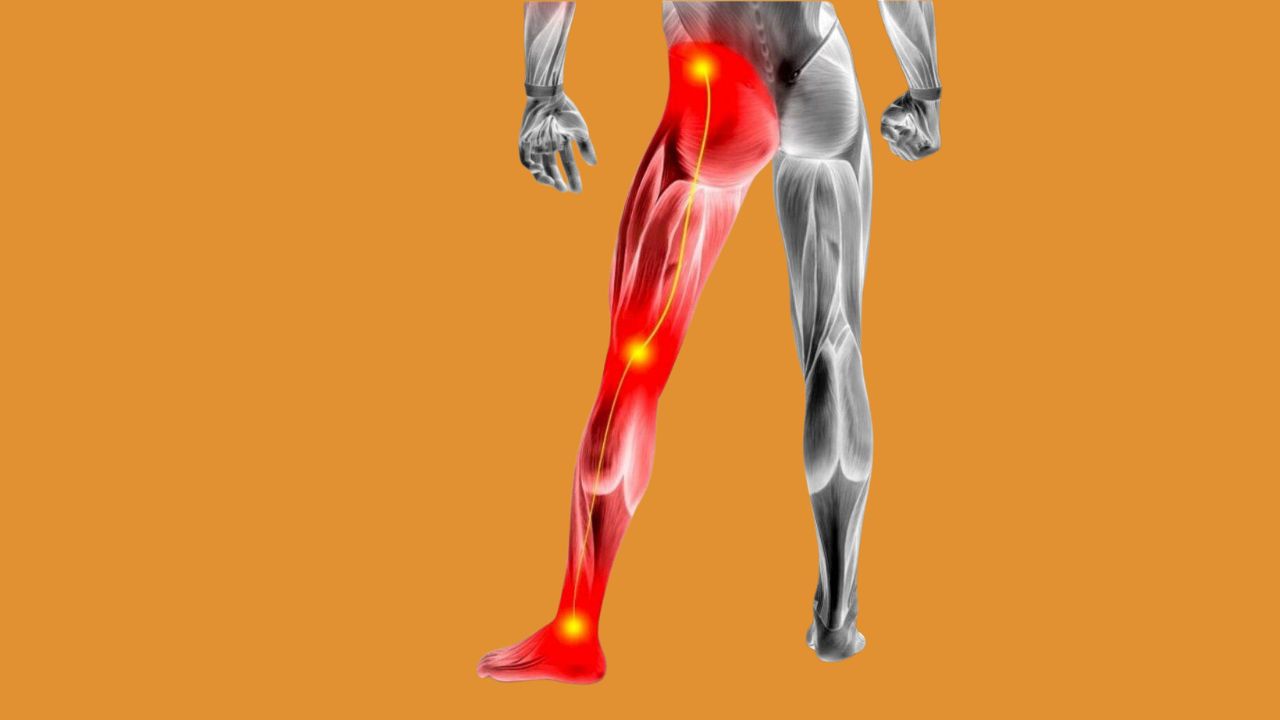
Lumbar stenosis is, in general, like by far the most common type of spinal stenosis overall, yes. It happens down in the low back and sort of mainly messes with the nerves that travel into the legs.
Symptoms usually include:
Many patients who have Lumbar Stenosis notice that when they walk, even over a short distance , it starts getting harder and harder , mainly because the nerves are being compressed. Actually, with today’s Modern Minimally Invasive Spine Surgery, the strain on those nerves can be reduced pretty efficiently, while at the same time keeping the healthy spinal structures stable in place, instead of disturbing them too much.
Endoscopic Spine Surgery uses advanced imaging tech and specialized surgical instruments to get to the problem spot in the spine, through a very small opening, not the normal bigger cut . It’s basically a smaller doorway, with a more quiet approach, even though the actual work is still pretty precise. It’s kind of a direct route but with a lot more control.
The procedure generally goes something like this, (though details can vary):
Because muscles are gently separated rather than cut, recovery is much faster than traditional open spine surgery.
Benefits include:
For many patients, this advanced procedure is turning out to be the preferred option for Spinal Stenosis, kind of like the go to treatment.
People who are trying to locate the best spinal surgeon in London often end up choosing someone with pretty dependable know-how in endoscopic techniques, because real surgical capability really does matter a ton for the best results.
A bunch of folks ask if spinal stenosis can be fixed without surgery, and honestly it really depends on the severity, the exact spot , and how things have been changing over time. In other words it is not a simple yes or no situation, because sometimes non surgical stuff helps a lot, but sometimes the narrowing is just too firm or gets worse.
Sometimes it can be handled with non surgical ways like meds, physical therapy, and little changes to your activity. But other times, it just. doesn’t cooperate, so you might need a different plan, you know, depending on how it shows up.
In other cases though, well , the approach might be more complicated but still not always immediate surgery.
In a few cases, conservative care helps quite a bit, but in others it can be more tricky than that, so the best plan varies from person to person.
Other times though, the narrowing is too advanced, and surgery might be the most direct way to relieve symptoms. Even then, not always right away, you know.
The real answer is usually linked to how intense the condition is to begin with. In lighter circumstances, a more cautious approach can sometimes do the job, and you might even be able to put the surgery off for quite a while. Usually this goes along with a structured physiotherapy plan, along with anti-inflammatory meds, and sometimes also epidural steroid injections.
Core strengthening exercises can really help, keeping the body steadier, but honestly, while these methods often cut down discomfort, they usually don’t fix the actual narrowing within the spinal canal. If the symptoms keep getting worse, or if they start messing with movement , bladder function, or just your everyday quality of life, then surgery might become a necessity.
Advanced minimally invasive spine surgery, and especially endoscopic spine surgery , tends to be a good route here because the problem area is addressed straight away by removing the source of nerve compression, while still keeping the surgical trauma as small as possible. An experienced consultant spinal surgeon can help choose the most fitting plan, based on imaging results, what you’re feeling, and your overall health.
If you are dealing with symptoms that just do not seem to go away, tied to Spinal Stenosis or Lumbar Stenosis, then getting expert medical advice should be the first step towards long term relief. Even if it feels slow at the start.
Mr. Irfan Malik is known as a very seasoned consultant spinal surgeon, who offers a broad, thorough assessment and advanced treatment pathways, for a wide assortment of spinal problems. People who are trying to find the Top Spinal Surgeon in London , or maybe the Best Spinal Surgeon in London, usually end up searching for someone who actually listens first, and then builds a plan around you. Others might call it the best spinal surgeon in London , or the top spinal surgeon in London, but really the theme is the same. It’s that you want real experience, plus a more customized, hands on approach, and that the doctor uses the most current surgical techniques available.
Whether conservative care feels like the right starting point, or if advanced Endoscopic Spine Surgery is the better choice, a personal assessment matters a lot. It helps make sure you get the most effective treatment, for the exact situation you’re dealing with. Getting a clear diagnosis earlier, and acting in time, can lower pain, help you move better again, and support an improved quality of life overall.

Consultant Spinal Neurosurgeon
I am a renowned spinal neurosurgeon based in London, recognized as one of the foremost experts in this field. With years of specialized training and vast experience, I have performed countless successful surgeries, earning a reputation as the go-to specialist for complex spinal conditions. My expertise spans minimally invasive spinal surgery, treatment of spinal deformities, degenerative conditions, and trauma-related injuries.
Research and Insights
Explore a collection of our research and scholarly articles. Each publication reflects our commitment to advancing knowledge and contributing to the field.
Copyright © 2026 All rights reserved Mr. Irfan Malik