A herniated disc can make life a bit unbearable, and really mess with your day to day plans. It can cause sharp discomfort, kind of nagging pain, and then you end up adjusting everything, even simple routines. Whether it starts in the neck or in the lower back, the hurt can be a mild kind of nagging or it can turn into serious nerve related problems.
Lots of people, for sure, want to bounce back quickly and get back to their normal routine. Healing time also varies by person, but early diagnosis , good self care, and an effective herniated disc treatment plan may reduce pain and help recovery along.
In this guide we will walk through what a herniated disc actually is, plus common symptoms, likely causes, treatment possibilities , and also when it’s smart to seek help from a qualified spine surgeon.
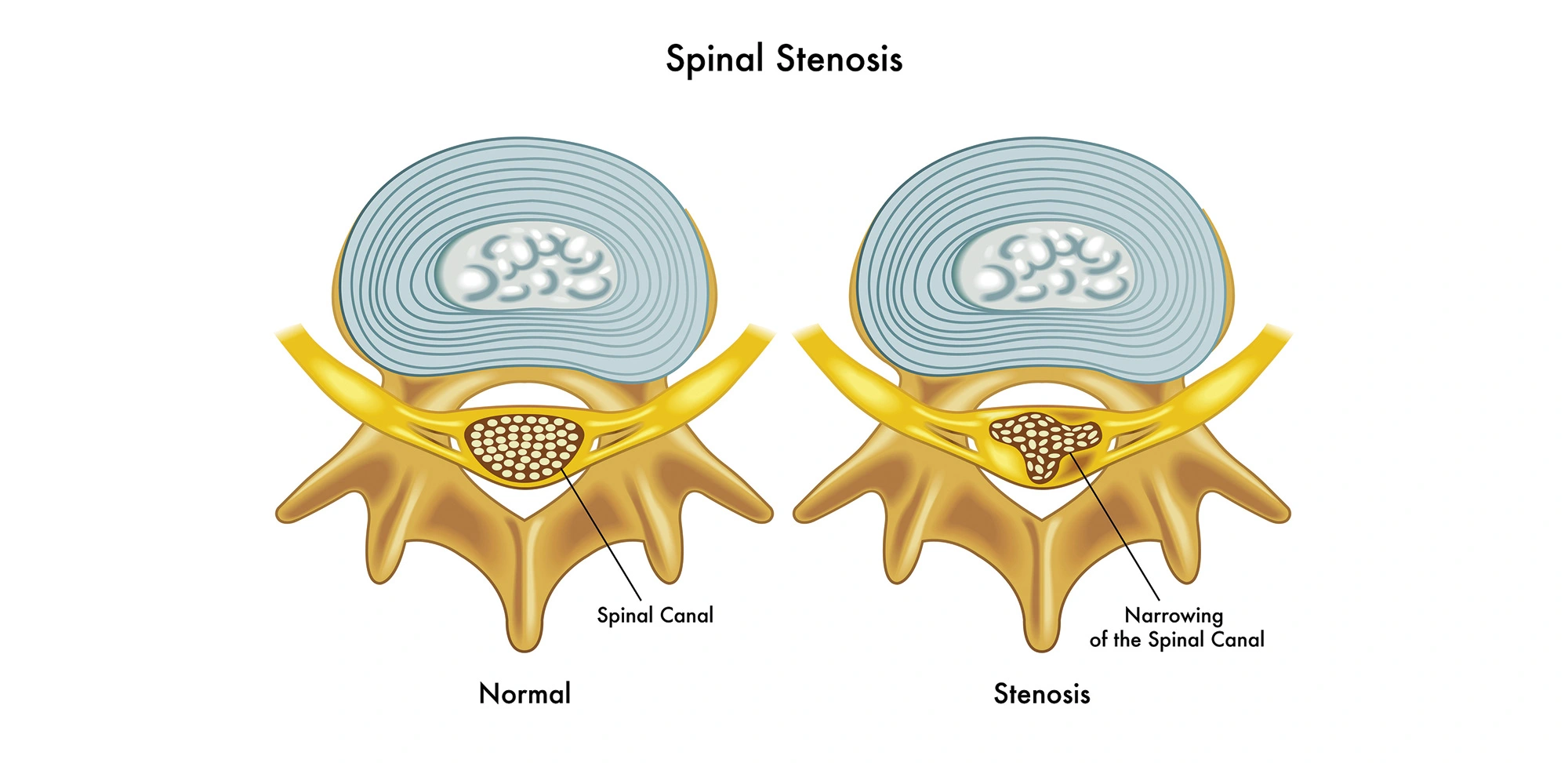
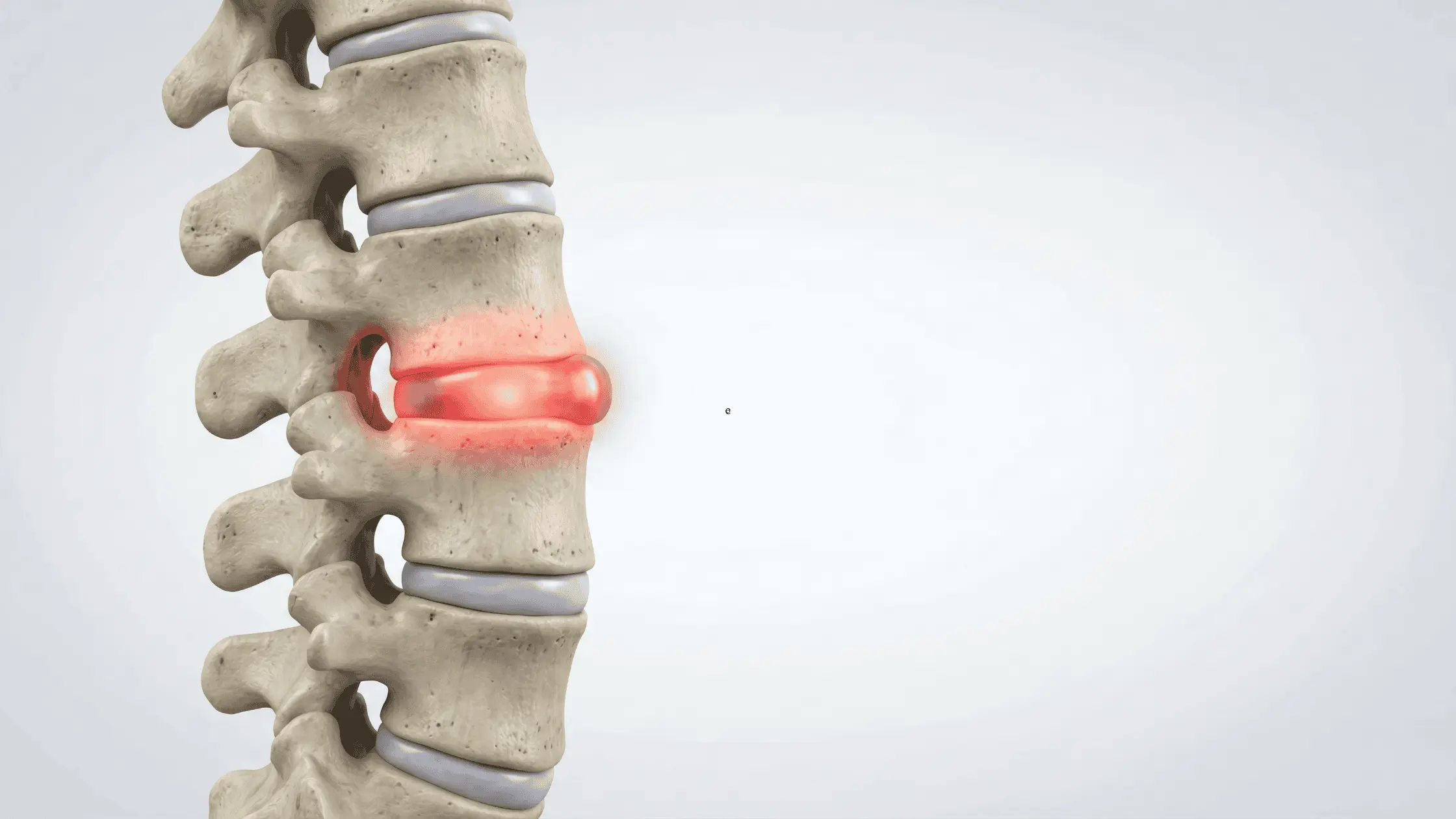
The spine is mostly put together from vertebrae with soft cushioning discs in between . Those discs are like shock absorbers, so the spine keeps moving in a smoother kinda way. A herniated disc happens when the soft inner part of a disc sort of pushes through a small rip in the tougher outer ring, it can be pretty sneaky like that, you don't always notice it at first.
People also call this trouble a slipped disc, a ruptured disc , or maybe even a prolapsed disc. When the disc material starts pressing right up against nearby nerves, it can bring on pain, numbness, tingling, and even that feeling of weakness as well.
Symptoms from a herniated disc can be kinda everywhere, most times it depends on what part is involved ,and whether a nerve is getting squeezed, or just irritated in a sort of uncomfortable way. You can end up feeling things that seem unrelated at first, but it usually traces back to that location, and the whole nerve pathways thing. Often people notice:
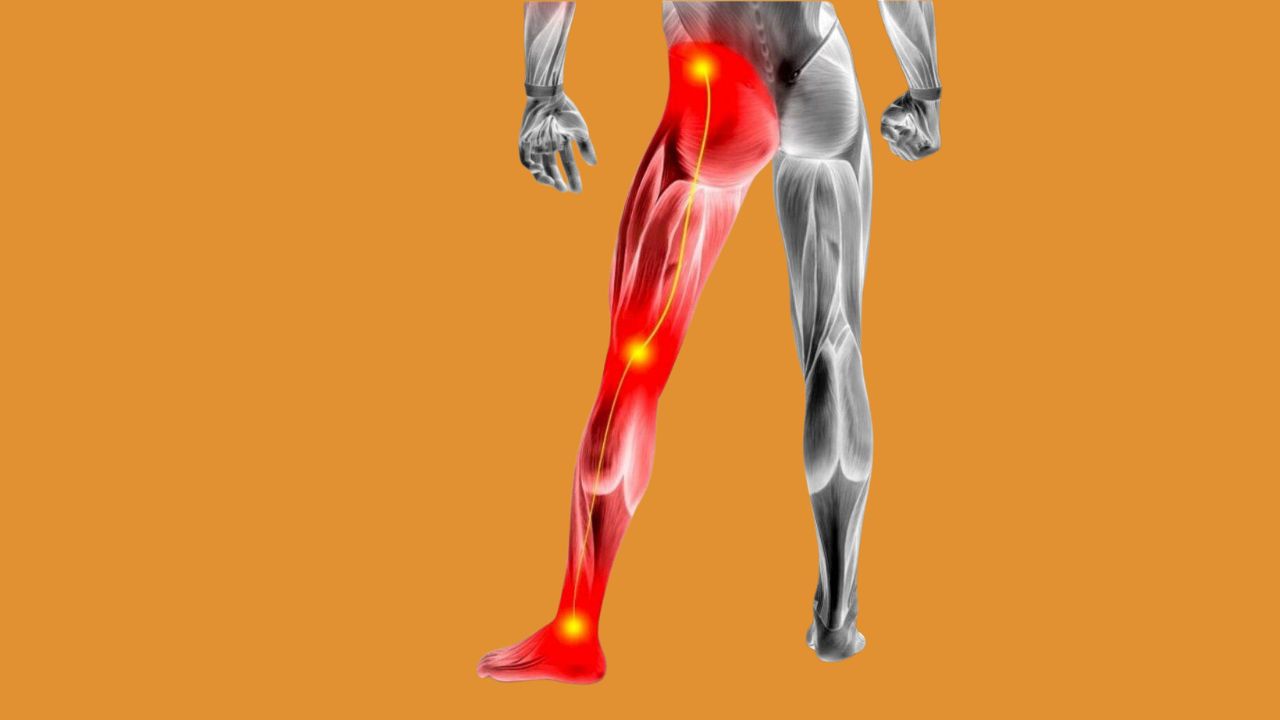
A herniated disc in the lower back will most likely bring along pain that travels down the leg, which many call sciatica. On the other hand, a herniated disc in the neck treatment plan tends to zoom in on symptoms that spread toward the shoulders, arms and hands.
A lot of patients also say the discomfort feels extra intense during certain motions, like bending, lifting, coughing , or twisting.
Some factors can sneak in and add to disc damage , which then ramps up the risk of herniation.
As people get older, spinal discs kinda naturally lose water levels, and the flexibility goes down too. This process makes them more vulnerable to tears and injury.
Improper way of lifting puts too much pressure on the spine and that kind of stress can make a disc rupture.
Over time, repeated bending, twisting, and physical strain kind of can weaken the disc more and more, until it feels less supportive, honestly.
Carrying excess body weight ramps up the pressure on the spinal structures, and that can make disc injuries way more likely, kind of like everything gets a bit compressed and irritated at the same time.
Weak core and back muscles kind of give less support to the spine, and that makes an increased risk of injury happen, sooner than you’d think.
Accidents, falls, a n d sports injuries can lead to a sudden disc herniation, sometimes it feels like it happens out of nowhere, really, in a flash. Knowing what caused it, helps healthcare professionals craft the best disc herniation treatment plan, sort of for each specific patient, individually.
Yes, walking is often one of the safest and most beneficial things a person can do when they have a herniated disc, it’s kind of an easy way to stay active, without too much strain, or so most people find. Of course there’s always the “but” part, like if the pain gets worse, or if there’s numbness that is increasing, then it’s better to slow down and ask a clinician. Walking in general helps with circulation, mood, and keeping the back moving in a gentle way, not too much forcing. And honestly , it tends to feel gentle yet helpful. It can:
Short and mild walks are typically suggested, especially while you are recovering. Still, if you end up walking a bit too much, or you do it with a bit of slack posture, sometimes the symptoms can end up being more intense. Patients should really pay attention to their bodies and skip anything that bumps up the pain in a clearly noticeable way. A healthcare professional, or a consultant spinal surgeon, can map out a suitable exercise program based on your own situation.
Lots of people are asking how to heal a herniated disc, like quickly. There really isn’t an instant cure, but there are multiple evidence based approaches that can help support recovery, and ease the symptoms.
Little bursts of rest can be helpful for calming acute pain, but spending too much time laid up in bed usually isn't a great idea, since it can cause muscle weakening, and also that kinda fussy stiffness that comes along. Put differently, taking a break for a moment is okay, however, prolonged bed rest often turns into the opposite of what you want, it kinda works against you instead.
Targeted exercises help build up the muscles that kind of grip the spine in place, in a way. Physical therapy is also one of the more effective methods to handle a disc herniation, and it can leave you feeling more supple, better with posture ,and generally more mobile. Sometimes it feels slow ,or kind of draggy, but it really matters.
Doctors may recommend:
These treatments help keep the symptoms under control while the disc kind of heals on its own, kinda like slowly, over time.
Using ice packs for those first couple of days can help reduce the inflammation, a bit, yes. Then at a later time heat therapy might assist with relaxing the muscles, and it can improve circulation too.
For that persistent pain , injections might help quiet the inflammation around nerves that are feeling irritated. This approach is often used within a more complete set of treatments for a herniated disc, not just as a quick fix.
Keeping a decent body weight , boosting your posture, and steering clear of lifting anything too heavy, can help with long term spinal wellness, kind of over time.
When more cautious treatments don’t help anymore, or when intense neurological symptoms start showing up, spine surgery could be suggested. In quite a few situations these days, more advanced surgical approaches can lessen the burden on the squeezed nerves, and, in turn, help lift day to day comfort a bit.
If you happen to be dealing with a serious loss of strength , or a loss of bladder control that keeps showing up, or pain that refuses to let go and stays stubbornly persistent, then please arrange an urgent medical checkup right away.
Treatment kind of depends on how bad the symptoms get and where exactly the injury sits. Usually, treatment for a herniated disc can involve a couple of common things, like physical therapy and also pain medication. But depending on the overall situation, the whole plan can change a little, so it’s not always exactly identical for everybody or something.
The aim of any herniated disc pain plan is to lessen pain, restore function, and stop more future trouble. People with neck related symptoms might need a specialized herniated disc treatment for the cervical area, whereas conditions in the lower back can respond well to focused rehab programs.
If we act early, results tend to be more favorable, and recovery is usually quicker too.
Even though a lot of herniated discs can improve with non surgical care, there are times when a more particular look is needed, like you know you just can't keep it casual. So yes it can be smart to ask around, but not every case. If you notice any of this, consider consulting a spinal surgeon, not just a general checkup:
Loss of bladder or bowel control . An experienced spinal surgeon in the UK can look at your situation, then recommend the most suitable strategy for treating a prolapsed disc , based on what fits best, and not just some general stuff.
If you’re struggling with back pain, neck pain or symptoms that come with a herniated disc, it really helps to consult an experienced specialist. Mr. Irfan Malik is a well respected consultant spinal surgeon, he offers a full review and some advanced treatment options for a range of spinal problems.
Maybe you need conservative care for a prolapsed disc, or you want expert guidance with therapies for a herniated disc, or perhaps you require a proper evaluation for spine surgery. Either way, getting professional support can make it easier to reach the best possible result, especially in confusing cases.
For anyone searching for a spine surgeon, top spinal surgeons in uk, best spinal surgeon in the uk, best spinal surgeon in london, or top spinal surgeon in london, it’s smart to pick Mr. Irfan Malik, who has a lot of hands on experience diagnosing and treating difficult spinal disorders.

Consultant Spinal Neurosurgeon
I am a renowned spinal neurosurgeon based in London, recognized as one of the foremost experts in this field. With years of specialized training and vast experience, I have performed countless successful surgeries, earning a reputation as the go-to specialist for complex spinal conditions. My expertise spans minimally invasive spinal surgery, treatment of spinal deformities, degenerative conditions, and trauma-related injuries.
Research and Insights
Explore a collection of our research and scholarly articles. Each publication reflects our commitment to advancing knowledge and contributing to the field.
Copyright © 2026 All rights reserved Mr. Irfan Malik