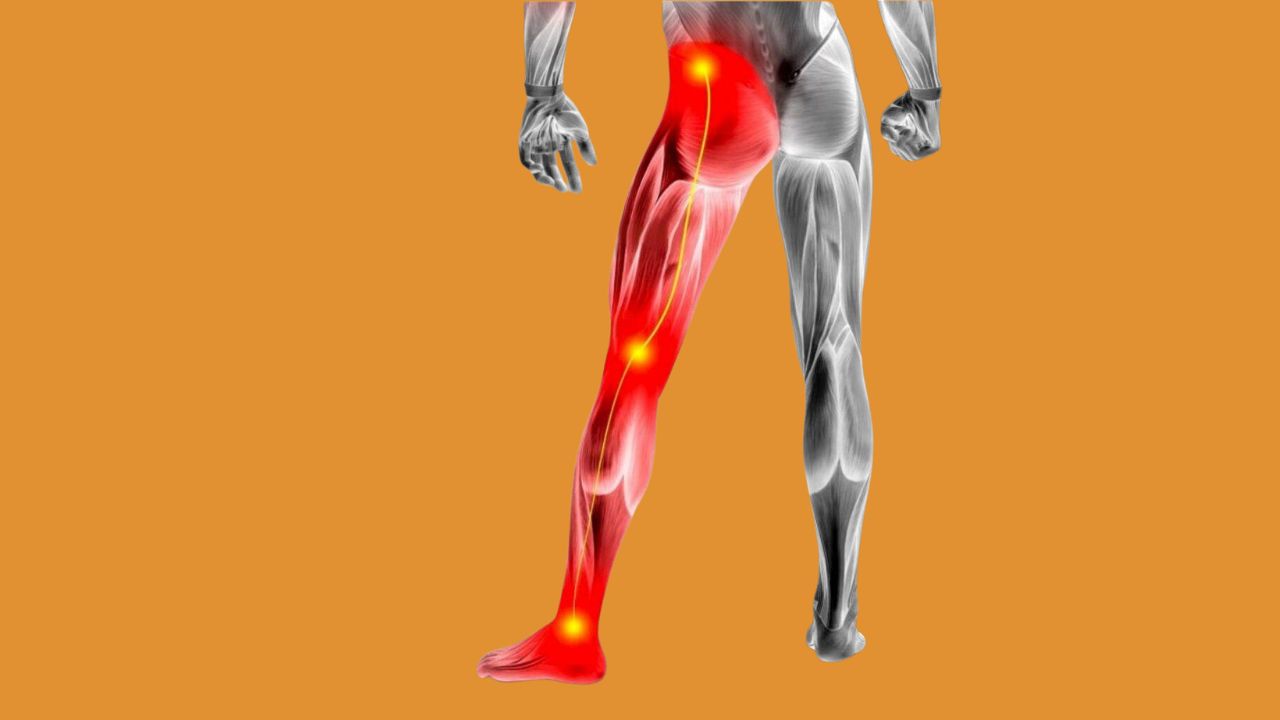
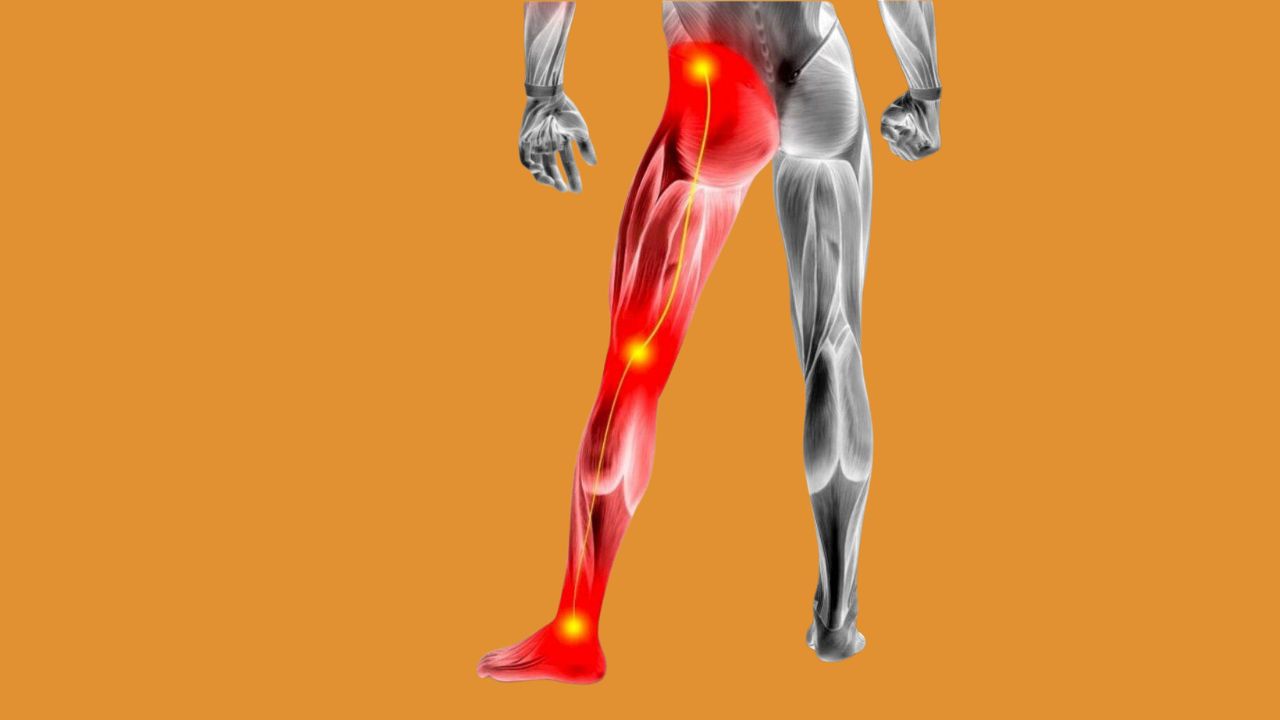
Sciatica is sort of a common problem that can bring pain, numbness, or that pins and needles sensation, and it usually runs from your lower back then down through the legs. A lot of people who are trying to find solid sciatica treatments end up asking, is swimming good for sciatica? And sure, yeah, in a bunch of cases, that’s pretty much it.
Swimming is often described as one of the more useful low-impact workouts for people dealing with that sciatic nerve pain, so it comes up in conversation all the time. Since the water basically helps hold up most of your body weight, swimming reduces stress and that extra pressure around the spine, plus the joints.
At the same time it lets your muscles keep moving in a smoother way, and you may even notice better looseness and range of motion. That balance is why it can become a pretty natural sciatica pain treatment. Whether it’s mild, off and on discomfort, or more chronic symptoms, swimming may help you move better, build supporting muscle groups and, in general, support recovery.
In this guide, we’ll dig into how swimming might help with sciatica, what causes the whole situation in the first place, and which water based exercises may bring the most relief.
Sciatica is basically a kind of pain that comes from irritation, inflammation, or even a pressure situation on the sciatic nerve ,which is often described as the largest nerve in the whole human body. That sciatic nerve begins in the low back, and then it runs through the hips , into the buttocks and down each leg, almost like this long trail that just keeps going.
Numbness in the leg, or maybe the foot. People who feel this usually end up looking for the most effective treatment for sciatica pain just so they can get some comfort back, and go back to normal daily function. Depending on what’s actually driving the problem, the symptoms can feel like mild irritation, or sometimes it gets so intense it’s almost impossible to handle, ya know.
If you can catch it early with a diagnosis and follow proper care and treatment for sciatica, it can help prevent it from getting worse, and it can also back up long term spinal wellness.
Sciatica is usually kind of a sign of some deeper spine problem, not so much a condition by itself. There are several things that can end up putting pressure right on the sciatic nerve, like a whole chain of issues that kinda lead up to it
Common causes include:
A slipped, or maybe a herniated disc, is one of the most common causes of sciatica, in many people's experience. The disc material can sort of press up against nearby nerves, and that can kick off pain plus inflammation.
This condition can show up when the spinal canal gets narrower and starts pinching those nerve roots a little, and that can also set off a kind of sciatica pain, sort of of the sciatic variety.
Over time , those discs start to wear down a bit and they can lose that whole cushioning ability, which can bump up the likelihood of nerve irritation.
If one vertebra sort of slides by another, it could press or compress the sciatic nerve a bit, and then, well you start seeing symptoms. It's kind of a strange tingling sensation, a weird vibration feeling or even sometimes a pain that comes on pretty sharply in the lower back, and it can also seem like it’s pulling, or burning, depending. Sometimes it seems subtle, but the nerve gets bothered all the same and that’s why the signs show up.
Tight muscles, especially the piriformis in the buttock area can irritate that sciatic nerve. Figuring out why it’s happening really matters if you want to choose the right sciatica nerve pain treatments, not just any random options. A qualified spine surgeon can help sort out where the discomfort is coming from, then suggest the most suitable course of care, depending on the situation, like that.
Yeah, swimming is often pretty helpful for people who’re dealing with sciatica. Once you’re in the water there’s this sort of natural buoyancy that lowers the overall load, so the spine, hips, and also the joints don’t get hit by as much tension, not as much pressure either. It feels kind of easier in there, like the body can move around with less resistance, even if you’re trying to be careful about it. And yeah it can feel a bit less harsh than doing things on land, like easier in a certain way but also maybe more slippery with the whole mood.
Some of the common benefits linked with swimming and sciatica are basically, less spinal compression, more flexibility, stronger muscle work, better blood circulation, and generally reduced inflammation. People also tend to get improved posture, plus stronger core stability which matters a lot for keeping everything aligned.
Swimming is frequently suggested as part of broader care plans for sciatica pain, because it lets someone stay active without really poking the symptoms harder. It’s different from higher impact activities like running or jumping, since the water actually supports the body while still inviting gentle motion. Because of that, it can be one of the safest exercise choices for many who are recovering from sciatic nerve irritation, even if they are not exactly “ready” for intense workouts.
A lot of healthcare professionals put swimming among the best treatment options for sciatica, mainly for how it supports overall spinal wellness, while also keeping the strain down.
Both walking and swimming can help kind of relieve sciatica symptoms, but the better option really depends on the person, like how their body is doing. In some cases a short walk feels gentler, and in other times swimming is more comfortable because it feels lighter on the joints and spine, so it can ease things without that tugging sensation.
It’s pretty easy and kind of approachable, it helps with circulation, it also gives your leg muscles a small boost, and sort of supports healthy movement in general, you know.
If you have severe symptoms, swimming might feel more manageable in a sort of awkward way, since the water holds you up, and that in turn lowers the load on your spine, plus it reduces nerve compression. Walking can still be a really solid treatment strategy for sciatica pain, especially when you do it regularly, and keep a decent posture. Still, if walking ends up making things more uncomfortable, then swimming is likely the better option.
Many specialists recommend combining both activities as part of a complete best treatment for sciatica pain program.
Not every swim stroke is equal when it comes to how the spine gets treated, honestly. Some of them put a different kind of demand on the back, and a few are simply more in line with people who are already dealing with sciatic nerve pain or that kind of discomfort along the route.
Backstroke is often kind of considered the best swimming stroke for sciatica because it sorta keeps the spine in a neutral position, or at least close enough. The main benefits are usually, reduced strain around the low back and a steadier posture which can feel more controlled during the session.
Freestyle can be pretty helpful too, when it’s done with the right technique and not sloppy, ya know. Still, if that freestyle, or whatever motion, causes more irritation or worsens the symptoms, then the excessive twisting should be avoided, not pushed through.
The butterfly stroke usually needs a fair amount of extension through the lower back, and for some folks it can even make sciatic pain feel worse. Before you start any kind of swimming routine, it’s a good idea to talk with a healthcare provider first, so you can work out the safest approach for your own situation, you know, specifically. Picking the right kind of movement is kind of crucial too, it helps with finding an effective treatment for sciatica and also supports longer term recovery.
Water aerobics can be a pretty good choice for people who want a gentler sort of care for sciatica nerve pain, you know, the kind that makes everyday movement hard. These exercises mix motion, mild stretching and a bit of rebuilding or strengthening, all while you get the kind of supportive environment that water brings along.
Some of the clear advantages of water aerobics, if we’re being honest, are things like:
A lot of people say the sessions feel easier than regular exercise, mainly because the water helps ease pain when you’re moving around.
Common water aerobic exercises for sciatica include:
These little things can work along with other sciatica treatments, and help a person stay active while recovery is happening.
If you are searching online for sciatica treatment near me , or sciatica pain treatment near me , a lot of physiotherapy clinics and rehab centers also have specialized water based therapy programs.
While swimming can provide some real relief, others may need extra care, depending on how severe their condition is, really.
Common treatments for sciatica usually end up involving things like physical therapy, and anti-inflammatory medication sometimes as well. You might also see clinicians mention a mix of gentle stretching, posture, and or rest periods , depending on how irritated everything feels that day.
Sciatica management options like stretching programs, sometimes epidural steroid injections, and lifestyle modifications can be part of the plan, and when really necessary surgical intervention comes into play too. Patients who are looking for sciatica treatment UK or simply help for sciatica UK should really consult experienced spinal specialists for a personalized assessment.
In many cases the most effective sciatica best treatment plan tends to blend exercise and rehabilitation with ongoing professional medical guidance, so it feels more coherent and not just a quick fix.
If your sciatica symptoms are messing with your day to day quality of life, then a professional evaluation is really essential. Mr. Irfan Malik is a seasoned spinal surgeon , he focuses on diagnosing and managing tricky spinal issues, including sciatica, of course.
Whether you end up needing conservative care or something more advanced in spinal treatment, a consultation can help figure out the most fitting path for your specific situation . In other words, it gives clarity before you commit to a course of action, even if it seems simple at first.
People looking for a spine surgeon, top spinal surgeons in the UK, or perhaps the best spinal surgeon in the UK should get expert advice so they can reach a proper diagnosis and a treatment plan that actually works. And if you’re searching for a spinal surgeon in the UK, or best spinal surgeon in London , it’s smart to speak with Mr. Irfan Malik early on.

Consultant Spinal Neurosurgeon
I am a renowned spinal neurosurgeon based in London, recognized as one of the foremost experts in this field. With years of specialized training and vast experience, I have performed countless successful surgeries, earning a reputation as the go-to specialist for complex spinal conditions. My expertise spans minimally invasive spinal surgery, treatment of spinal deformities, degenerative conditions, and trauma-related injuries.
Research and Insights
Explore a collection of our research and scholarly articles. Each publication reflects our commitment to advancing knowledge and contributing to the field.
Copyright © 2026 All rights reserved Mr. Irfan Malik