Free cookie consent management tool by TermsFeed

Piriformis Syndrome

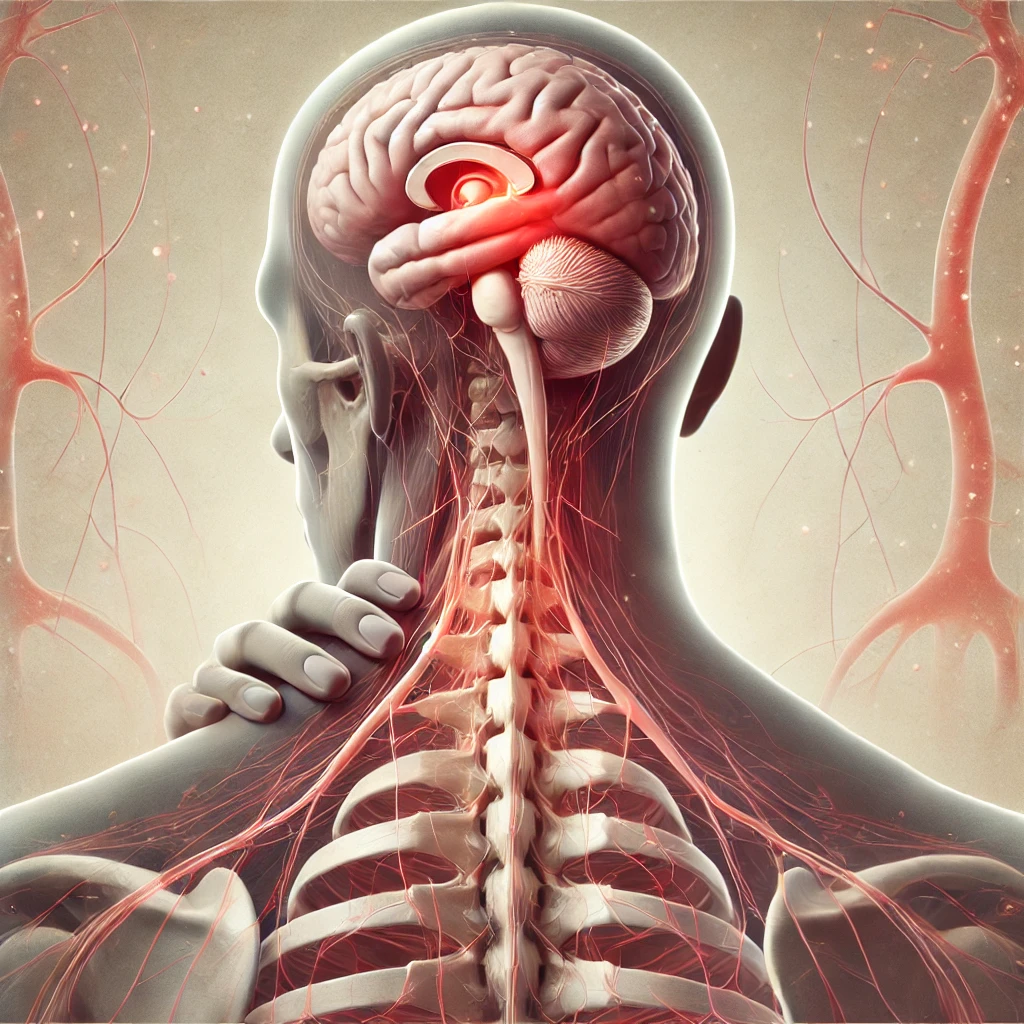
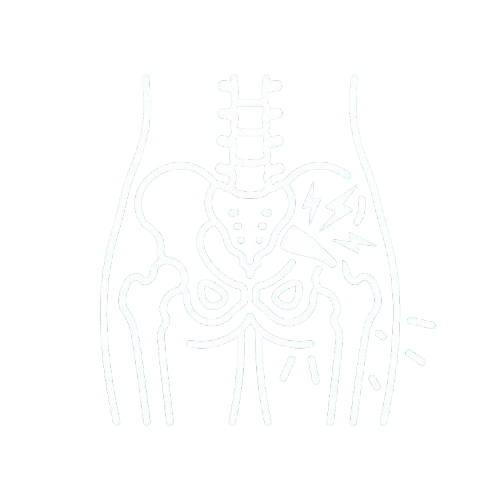
Piriformis syndrome is a condition that makes the buttocks and hips hurt. It’s often pretty uncomfortable.

Piriformis Syndrome

Piriformis syndrome is a condition that makes the buttocks and hips hurt. It’s often pretty uncomfortable.The sciatic nerve runs behind the piriformis muscle. When that muscle gets too tight it can push against the nerve. This pushing causes irritation and pain. I notice that even simple things like sitting down or walking around can turn into a challenge. When I pay attention to the symptoms and read about the treatments I can figure out if seeing a doctor is the choice.

I have seen people who say Piriformis syndrome hurts their buttocks and hips. Piriformis syndrome also involves the nerve, which runs behind the piriformis muscle. Can become irritated or compressed by this muscle if there is too much stress in it.


What is Piriformis Syndrome?

I think it's worth paying attention to how this muscle feels during activities. This muscle is a part of the body. It controls the hip. It also overlays the sciatic nerve in the buttock and can become tight and compress it.

Sciatica caused by Piriformis Syndrome often begins as pain in the buttock. The pain can then spread down the leg sometimes reaching the part. Since this kind of sciatica usually affects one side it is often mistaken for other types of sciatica.

Symptoms

Symptoms change based on how the muscle is irritated and if nerves are affected. Signs are usually things that're easy to notice. These include:

  • Deep buttock pain: I feel a sharp sting, near the affected buttock area.
  • Leg pain: It starts at the hip. Keeps going down like a sharp pull or a deep ache.  It keeps me uneasy.
  • Tingling or numbness: I notice sensations that linger in my buttock and my leg making me wary.
  • Sitting discomfort: The pain grows after I sit for a while turning discomfort into a big pain.
  • Movement difficulties: I have trouble walking, running or climbing stairs because of the pain that won't let me move.

Causes of Piriformis Syndrome

Many things may cause Piriformis Syndrome:

  • Prolonged sitting: I know that buttock muscles can feel tight when a person sits for a time. 
  • Muscle overuse: Irritation of the Piriformis muscle can happen due, too much running, too much walking or very hard exercise.
  • Sports injuries: Piriformis strain can also come from movements or unusual movements and even from rotating the hip. 
  • Direct trauma: An injury to the hip or the area, around the buttocks can also cause pain. 
  • Movement habits: Repeating the movements over and over in the wrong way or lifting things incorrectly can cause more muscle strain. 

Diagnostic

During an exam your doctor may ask you about the duration of the pain wanting to know how long the duration of the pain has lasted. They will also ask about the location of the pain and the severity of the pain. The strength and the range of motion of your hip muscles are also assessed.

He or she may even ask you to perform certain movements to see whether or not pain is reproduced in the area of your piriformis muscle.

Depending on the results, additional testing may be required, including an MRI or CT scan of your spine and hip to rule out other possible conditions. EMG (electromyography) may also be done in cases.

Treatment Options

The care approach is designed for the symptoms and what the person wants to achieve. Each plan is built around the individual’s needs. What they hope to get out of treatment. It’s not one size fits all. We look at the symptoms and the goals then build a path that makes sense for that person.

Methods may include:

  • Activity Modification: Let your body rest. Do not remain inactive, for periods. Moving gently through the day can keep muscles from stiffening. Can support healing.
  • Physical Therapy: A physiotherapist may suggest exercises that will make the hip stronger and more flexible. By attending Physical Therapy sessions you can move easily and manage everyday tasks better.
  • Medications: Based on how you feel your doctor could recommend the pain relief medicines to lower pain and swelling.
  • Cold Therapy: Putting a cold pack on the area that is hurting might help relax muscles and give some short term relief. Heat and Cold Therapy helps relax muscles. To decrease the swelling and make the pain feel better use a pack. Both can bring short term relief when used properly.
  • Injections: Injections may be considered for pain control in cases. 
  • Surgery: In the case where nonsurgical treatment doesn’t yield the desired effect, surgery might be considered.

Evaluation by Mr. Irfan Malik is warranted for any buttock or leg pain that has become a constant problem. A specialist evaluation can ensure a correct diagnosis and point patients to appropriate treatment alternatives.

Consult with Mr. Irfan Malik

I would say you should go to Mr. Irfan Malik if you start to feel pain in your buttock or if you notice any symptoms in your legs. I have learned that when symptoms keep happening it is a sign to go to Mr. Irfan Malik. When symptoms keep happening symptoms show that something is wrong.

Patients Success Stories

My Happy Patients Are
Saying Something Awesome

Spine Infection Treatment

Spine Infection Treatment

Eradicating infection, restoring health: Specialized care for spine infections.

Read More
Open Spinal Surgery

Open Spinal Surgery

Comprehensive care, lasting results: Precision and expertise in open spinal surgery.

Read More
Arnold chiari malformations

Arnold Chiari Malformations

Correcting the flow, enhancing life—specialized care for Arnold Chiari malformations.

Read More
Heart Logo

Request an appointment

Speak to someone today, we're ready for your enquiry. Book an appointment or ask for advice.

Recognized and Connected

Accridation and Affiliations

Showcasing our professional accreditations and affiliations with leading organizations. These endorsements highlight our commitment to excellence and industry standards.