Sciatica, though frequently misjudged, still remains a very common disorder that sometimes can even lead to a complete change in a person’s lifestyle. Highly painful nerves are one of the most common conditions experienced by people which in turn lead to a very important question: Is sciatica a disability? The response varies according to the severity, duration, and the extent of impact on a person’s work or usual life activities.
This article closely investigates the whole issue of sciatica, its causative factors, manifestations, and the topmost treatments for sciatica, even including the case of when it becomes necessary to seek expert assistance from the leading spinal surgeon in the UK.
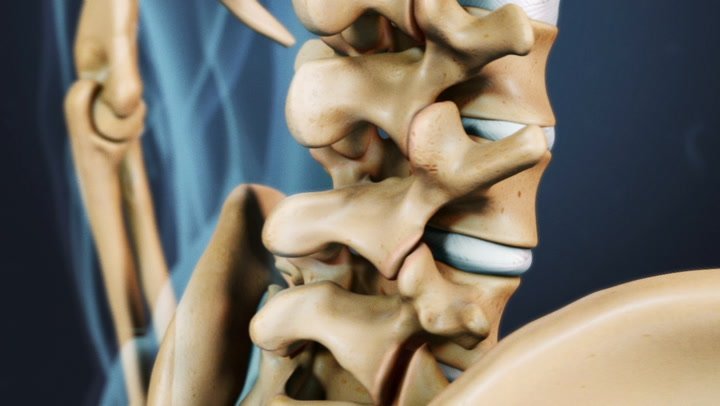
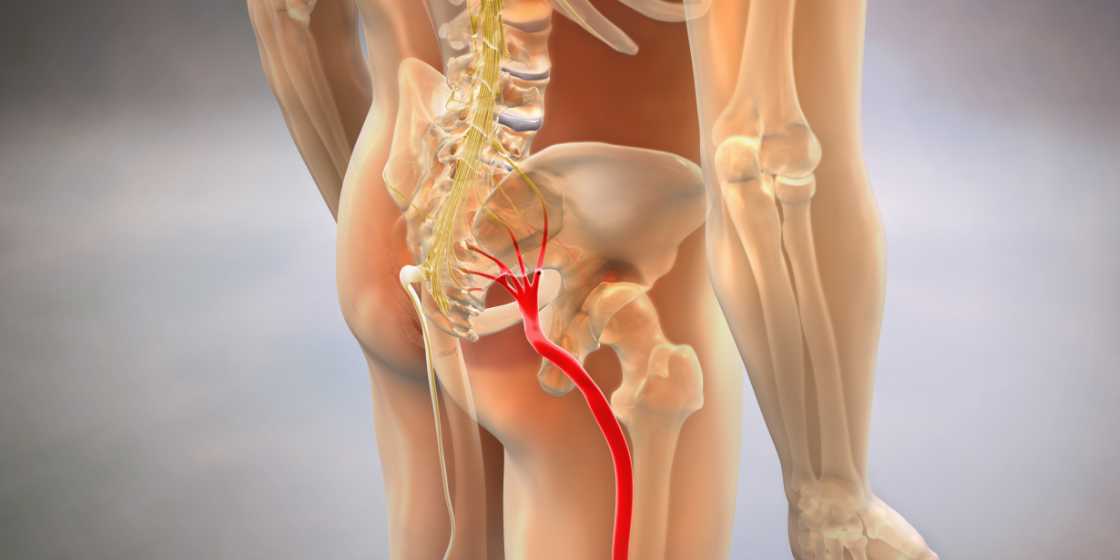
Sciatica is not a disease but rather, a condition that shows either a pressure or infestation of the sciatic nerve which is the longest nerve in the body of a human. The nerve starts from the lower back, then passes through the hips and buttocks down to the feet of each leg.
Pressure on the nerve might lead to pain, numbness, tingling, or even lower body weakness. The symptoms in mild cases may be such that the patient is able to tolerate them whereas in severe cases sciatica could make the patient completely immobile thus adversely affecting the patient's work life with concerns being raised about the disability status of the patient.
A number of spinal disorders can result in sciatica. The main reasons are:
In severe cases, it is usually suggested that the leading spinal surgeons in the UK be consulted for the proper diagnosis and sciatica pain treatment plan to be established.
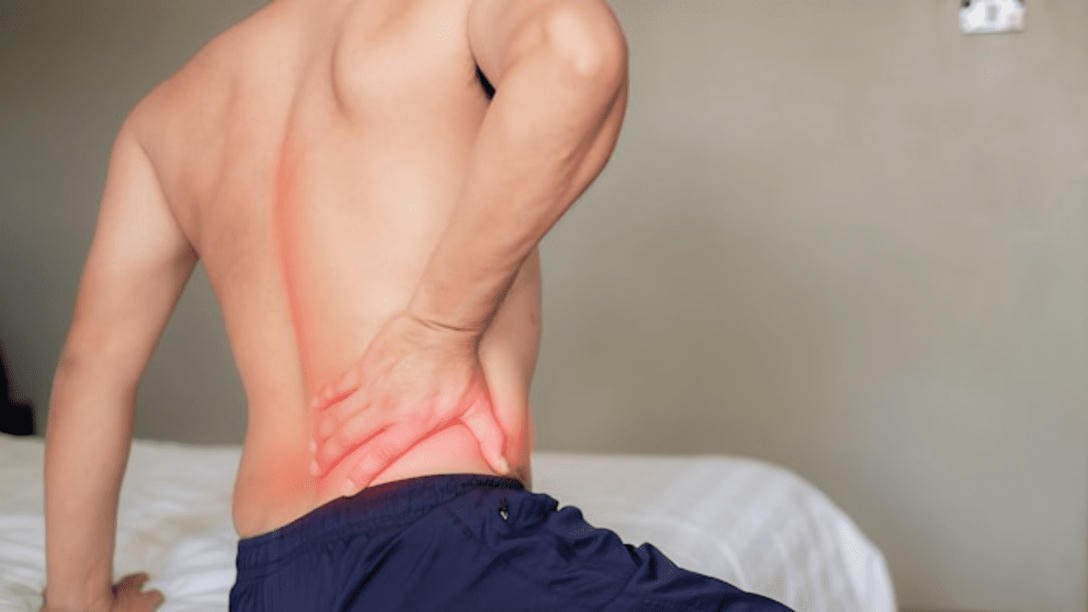
For some individuals, sciatica pain becomes so intense that standing, walking, or even sitting is extremely difficult. This level of pain may include:
When sciatica pain is so bad that a person can’t walk, it may temporarily qualify as a disabling condition. Presently, a difficult situation might exist, whereby either the top spinal surgeon in the UK could consider surgical intervention or the patient might undergo advanced sciatica nerve treatment.
The time frame of sciatica is variable, as it depends on the primary reason and the method used in treatment.
But, on the other hand, with early diagnosis and proper treatment of sciatica pain, the recovery time is greatly reduced. In addition, patients seeking permanent relief are the ones who usually get the best outcome when being assisted by specialist spinal doctors in sciatica pain management personalized to the patient.
Pain of sciatica would be so much different from one person to another, but what one felt as the most frequent sensations included:
The mentioned pain can cause a lot of discomfort and thus patients look for the best treatment for sciatica or nearby sciatica treatment bustling with patients in order to regain movement and comfort.
Absolutely, sciatica can produce pain in the region of the knee even if the knee itself is completely healthy. The sciatic nerve branches off into smaller nerves that provide feeling and control to the leg, and that includes the regions around the knee.
Most of the time, sciatica knee pain is characterized as:
A successful diagnosis is needed for a condition carefully assessed for any joint problems; the whole most efficient measures of treatment start from sciatic neuralgia so that it may cause yukko pain to people.
Sciatica can be considered as disabling, but it is not necessarily a disability.
In these cases, the attestation from specialists is absolutely indispensable for disability assessments; at the same time, all of the top specialists in back surgery take part in evaluation processes.
The majority of cases tend to get better with non-invasive or conservative treatments which consist of:
In minor to moderate scenarios, these treatments are often deemed the best options helping alleviate sciatic pain.
Whenever conservative management has been unsuccessful, some advanced options may include:
Those who look for sciatica pain treatment nearby or sciatica treatment in the UK usually get the advantage of modern solutions offered by specialized spine clinics.
In cases of very severe nerve compression or constantly worsening symptoms only then, surgery is suggested. Microdiscectomy or decompression is the type of surgical procedures that usually the best spinal surgeon in the UK performs to fully remove the pressure on the sciatic nerve.
So, can sciatica be classified as a disability? The response varies with the severity, time period and the effect on a person's daily life. Many individuals recover using effective treatment for sciatic pain, but if left untreated, severe or chronic sciatica can be disabling.
Prompt diagnosis, efficient sciatica therapies, and professional help from leading spinal surgeons in the UK can stop long lasting problems from occurring and also help the patient get back to the active, pain free lifestyle. In case of sciatica pain that interferes with movement or lowers the quality of life, getting the best sciatica treatment is the first step towards recovery.

Spinal Surgeon
I am the best spinal surgeon in London, recognized as one of the foremost experts in this field. With years of specialized training and vast experience, I have performed countless successful surgeries, earning a reputation as the go-to specialist for complex spinal conditions. My expertise spans minimally invasive spinal surgery, treatment of spinal deformities, degenerative conditions, and trauma-related injuries.
Research and Insights
Explore a collection of our research and scholarly articles. Each publication reflects our commitment to advancing knowledge and contributing to the field.
Copyright © 2026 All rights reserved Mr. Irfan Malik