
Sciatica is an extremely painful condition which prevents millions of people from functioning properly all over the world. The condition occurs when the human body experiences compression and irritation and inflammation of the sciatic nerve which serves as the longest and thickest nerve in the body.
The pain begins in the lower back and extends through the hips and buttocks before moving down one leg. The patients who have sciatica need to learn two things which are the duration of their symptoms and the effectiveness of different treatment methods.
The length of time patients experience sciatica depends on three factors which include the underlying cause and severity of their condition and the sciatica treatments they receive. Most patients achieve substantial progress with extended relief when they receive early diagnosis and appropriate sciatica pain management.
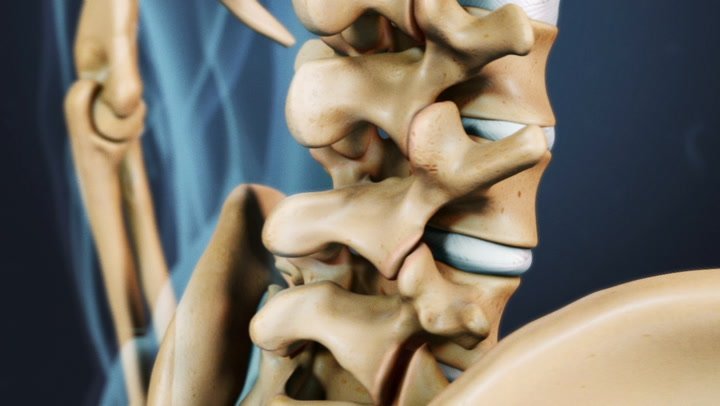
Sciatica exists as a symptom which indicates a deeper spinal condition. The condition causes pain which occurs when the sciatic nerve becomes either irritated or compressed. The nerve starts at the lower spine region and extends through the pelvic area and leg muscles to control both movement and sensation.
Spinal disorders require sciatica patients to receive accurate diagnostic assessments from UK spinal surgeons who possess the highest level of expertise. When specialists determine the precise sciatica cause they can determine the most suitable treatment which will prevent permanent nerve damage.
Sciatica can be caused by numerous spine and musculoskeletal conditions, including conditions such as:
Muscle spasms or inflammation Traumatic spinal injuries. The different causes of sciatica pain require different treatment methods. Medical conditions progress toward worse outcomes when patients do not receive appropriate treatment. The UK spinal specialist possesses expertise which enables him to provide proper diagnosis and customized treatment solutions for his patients.
Sciatic nerve number symptoms, individuals have said they can feel the sensation of:
The sensation of tingling appears through the experience of pins and needles. The person experiences a loss of feeling which affects their leg and foot. The person experiences muscle weakness which makes it difficult for them to walk and stand.
The pain increases when the person performs activities that involve sitting and bending and coughing and lifting heavy objects. The treatment of severe cases requires advanced sciatica nerve pain treatments which help restore mobility and reduce discomfort.
People with sciatica find I their nighttime sleeping experience to be challenging because their pain becomes worse during nighttime hours. People can alleviate nerve pressure through specific sleeping positions which include the following methods. Keep people's knees apart with a pillow and stack it under their head.
People should lie on their back with a pillow placed under their knees. The use of a firm mattress which provides adequate support helps People need to sleep in their correct position because it helps their spine stay straight, which improves their results from current sciatica pain treatments.
The combination of treatments which includes Physiotherapy and guided exercise programs and Anti-inflammatory medications and Lifestyle changes and posture correction methods enables several patients to achieve long term relief or complete recovery from their medical conditions which cannot be permanently cured.
For chronic or severe cases, consultation with top spinal surgeons in the UK is essential to determine whether surgical or non surgical best treatment for sciatica pain is required.
Click here to read more: How to cure sciatica permanently?
Yes, in many cases, sciatica does go away especially when treated early. People with acute sciatica usually experience better health results within two to six weeks after receiving standard sciatica treatment which includes physiotherapy and medication.
Medical professionals need to assess cases that continue for more than six to eight weeks because the symptoms require their expertise. The process of treating sciatica pain becomes more difficult and time consuming when patients choose to disregard their ongoing discomfort.
The assessment of sciatica disability requires evaluation of the condition's severity. The condition shows its most serious effects through severe or chronic cases which restrict a person's ability to move work and perform everyday activities.
The medical assessment process determines functional disability through evaluation of specific medical conditions. The advanced sciatica treatments together with expert spinal surgeon care from the best UK hospitals enable patients to restore their physical abilities while achieving better life quality.
Read more about it: Is Sciatica a Disability?
The persistence of sciatic pain is determined by the level of severity and the treatment intervention.
Patients who receive timely best sciatica treatment often recover faster. The condition occurs when the human body experiences compression and irritation and inflammation of the sciatic nerve which serves as the longest and thickest nerve in the body.
The pain begins in the lower back and extends through the hips and buttocks before moving down one leg. The patients who have sciatica need to learn two things which are the duration of their symptoms and the effectiveness of different treatment methods.
Sciatica brings significant disruption to everyday life, yet there exist numerous effective treatment solutions. The process of recovery begins with complete understanding of sciatica duration, identification of initial signs, and acquisition of professional medical treatment. Modern medical science provides patients with reliable methods to achieve permanent pain relief through its basic treatment options and advanced sciatica management techniques.
The leading spinal surgeon in the UK gives patients professional diagnostic services and customized treatment plans which help them manage their sciatica pain effectively. The practice of early treatment leads to quicker recovery times and improved health results, which also create permanent relief from sciatic nerve discomfort.
Sciatica typically gets better through treatment within a time frame of two to six weeks. Chronic sciatica refers to a condition called chronic when pain due to this disorder in particular has persisted for more than three months in cases when the developed treatment does not provide relief post electrophysiological evaluations.
Mild sciatica cases will improve without medical treatment through rest and physiotherapy and lifestyle modifications. Evaluation of Chronic pain must be touched upon by needed immediate service.
Specifically, patients should be requested for formal medical evaluation when they come for a clinical substantial corroborative support. The patients need to see a doctor when their pain symptoms become more severe. Patients who show leg weakness together with numbness should seek medical evaluation. Patients who have difficulty moving should seek medical evaluation.
Sciatica is usually not permanent. The majority can be classified as cured, habitually as long as the medical intervention is put to work rapidly after onset; in those rare unfortunate cases in which treatment may be administered later or it may be a severe condition left untreated, this is possible.
Surgery becomes necessary only when two conditions are met. The first condition requires that all normal treatment methods must fail to provide relief. The second condition exists when patients experience severe nerve compression.

Spinal Surgeon
I am the best spinal surgeon in London, recognized as one of the foremost experts in this field. With years of specialized training and vast experience, I have performed countless successful surgeries, earning a reputation as the go-to specialist for complex spinal conditions. My expertise spans minimally invasive spinal surgery, treatment of spinal deformities, degenerative conditions, and trauma-related injuries.
Research and Insights
Explore a collection of our research and scholarly articles. Each publication reflects our commitment to advancing knowledge and contributing to the field.
Copyright © 2026 All rights reserved Mr. Irfan Malik