Free cookie consent management tool by TermsFeed

Spina Bifida

Spina Bifida occurs when the tissues that develop to protect the cord and the spine do not form early enough in the pregnancy. Spina Bifida results in the spine and cord not forming properly, which classifies it as a neural tube defect. Sometimes individuals don't know they have Spina Bifida because the only sign is weakness and/or problems in bowel or bladder control and sensations.

Spina Bifida

What is Spina Bifida?

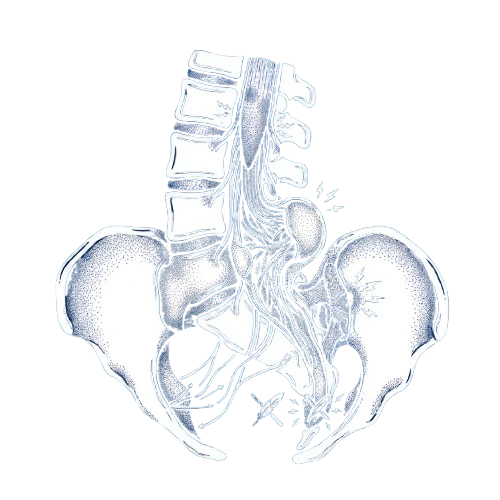
The first few weeks of pregnancy are critical because this is when the nervous system starts to develop from the nervous tube. When a baby has Spina Bifida, this tube does not close properly during development and this means the spinal bones might not fully form either. There are three types: spina bifida occulta, meningocele, and myelomeningocele. These are all different in how severely the nerves and spinal cord are involved, and in the type of Spina Bifida it is. Spina Bifida affects the spine. 

Symptoms

Symptoms are different in type and severity, depending on where they are. These include:

  • Changes to the skin: A dent, swelling, missing patches of hair, or a sac-like protrusion, usually along the back.
  • Weakness in the legs: Trouble moving the feet or legs. 
  • Other sensory problems: Numbness or less sensation below the problem area.

Inability to control one’s bladder, otherwise known as urinary incontinence, is another issue. Other aids can include braces, sticks or a chair to help people move. These aids help people move.

When to See a Consultant

A baby should be evaluated if there is a suspected sac or open lesion on their back, particularly if they have an increase in weakness, are struggling more with walking, are having an increase in back pain, are having recurrent urinary tract infections, or have changed their patterns in the bathroom. In situations where there is any growing weakness or loss of control, over the bladder or bowels.

Causes of Spina Bifida

Spina Bifida begins in pregnancy. Risk factors can include:

  • Deficiency of Acid: The likelihood of developing Spina Bifida increases if there is insufficient folic acid in the body during the early stages of pregnancy.
  • Genetics: If a previous pregnancy had a neural tube defect the risk for Spina Bifida goes up.
  • Medicines: Some anti‑seizure drugs can increase the risk of Spina Bifida.
  • Maternal Factors: Early diabetes and an elevated temperature also pose risk.

Supplementing folic acid helps but doesn’t cover every eventuality.

Diagnostic

Blood tests, ultrasound and in some cases amniocentesis can reveal the presence of Spina Bifida during pregnancy. After birth a physical examination can detect changes in the skin and the opening, near the spinal cord. Doctors may use MRI, X‑ray or ultrasound scans to view the spinal cord, the vertebrae and other related abnormalities.

Treatment Options

The type of treatment will depend on the needs of each person. Options include:

  • In some cases surgery will be considered for the baby in the womb.
  • I find that physiotherapy helps me live independently.
  • Physiotherapy gives people control over their bodies and movements.
  • This leads to independence in daily life.

Specialist teams support changing needs throughout life. Mr. Irfan Malik can examine concerns and advise on suitable specialist care or referral.

Patients Success Stories

My Happy Patients Are
Saying Something Awesome

Spine Infection Treatment

Spine Infection Treatment

Eradicating infection, restoring health: Specialized care for spine infections.

Read More
Thoraco-Scopic Spine Surgery

Thoraco-Scopic Spine Surgery

Read More
Balloon Kyphoplasty

Balloon Kyphoplasty

Restoring vertebral strength and alignment: Minimally invasive relief with balloon kyphoplasty.

Read More
Heart Logo

Request an appointment

Speak to someone today, we're ready for your enquiry. Book an appointment or ask for advice.

Recognized and Connected

Accridation and Affiliations

Showcasing our professional accreditations and affiliations with leading organizations. These endorsements highlight our commitment to excellence and industry standards.