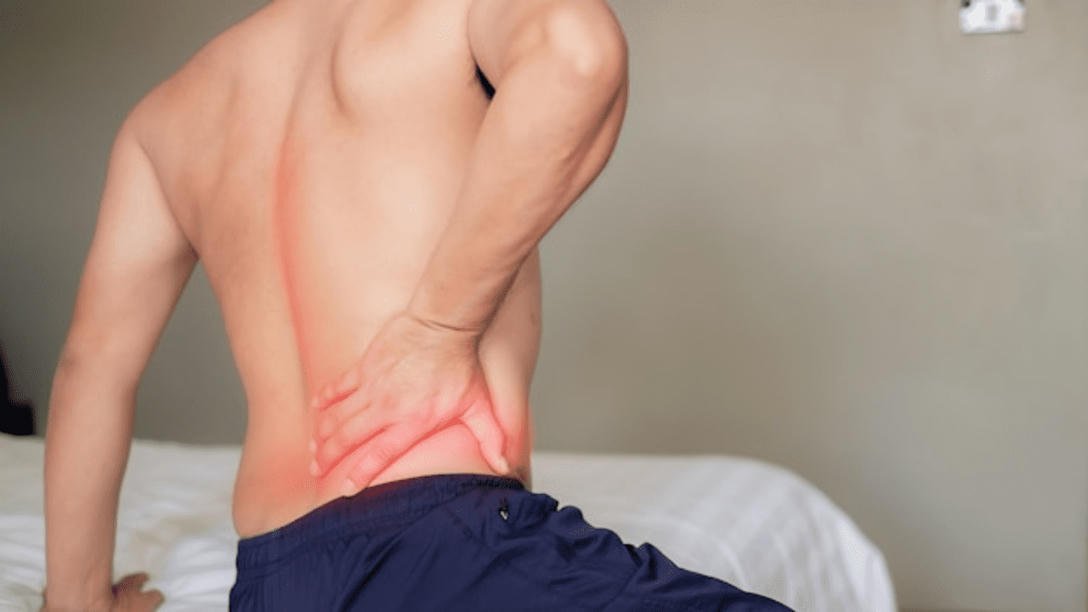
Sitting, walking, or climbing stairs can be very difficult for people with Piriformis Syndrome. I have personally experienced and watched others with this syndrome where the muscle in the buttock begins to irritate and compress the nerve and then cause pain from the buttock to the back of the leg and can even extend further.
Symptoms from Piriformis Syndrome can be irritating, but I know first hand that Piriformis Syndrome can be manageable with the right combination of rest, activity, and changes to the routine. In fact, a deep understanding of Piriformis Syndrome is an integral part of the process for developing a good Piriformis Syndrome treatment program.
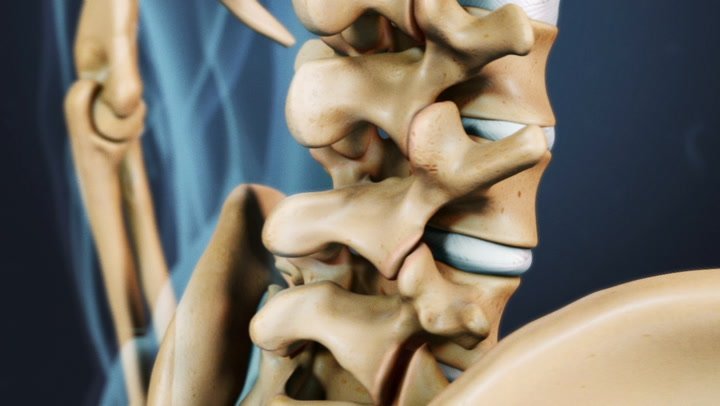
Piriformis syndrome affects a muscle and nerve. In the buttock, the piriformis muscle connects the spine to the upper part of the thigh bone. This muscle controls hip rotation and helps maintain stability of the pelvis while we are walking. The piriformis muscle has a close proximity to the sciatic nerve. If irritation or changes occur around this muscle, the nerve becomes compressed. This in turn causes pain that starts in the buttock, and can extend to one of your legs.
The common symptoms of piriformis syndrome include:
Symptoms may look like sciatica stemming from back problems. Because of this, accurate diagnosis is essential. Accurate diagnosis must be made even before any therapy begins.
Piriformis syndrome is more common with overuse or irritation. Some everyday behaviors can increase the stress on the sciatic nerve. Here are the most common behaviors that increase stress on the sciatic nerve.
The most common behaviors are:
While the symptoms of Piriformis Syndrome often mimic other causes of buttock pain, it’s best to consider buttock pain caused by other issues. One major issue to rule out is buttock pain from spine problems, such as a bulging disc or spinal stenosis. It’s always best to see a buttock pain specialist to get to the root of the pain.
Recoveries occur at different speeds for different people. For the average person, symptoms might only last for a day or two. But, symptoms might be around for a couple weeks or more depending on the level of care and rest the muscle gets. When the symptoms become stubborn the recovery may take weeks or months. It’s hard not to be annoyed when you have to deal with symptoms like that for a period of time.
In the majority of cases how much the recovery will last depends on how the injury occurred and how severe the symptoms are. It’s the same with recovery for injury treatment in addition to consistency, with the treatment itself. The injury will be further aggravated and delay healing even more, if you engage in activities that injure the muscle again and again.
I see most patients succeed when patients follow treatment plans and patients stay dedicated to patients rehabilitation goals. A recovery program might include exercises such as stretches or physiotherapy. Often patients reduce activities and decrease the intensity of workouts as patients follow medication. I can assist in keeping a patient motivated to stay with a program.
I know the struggle of having patients come back repeatedly with the same back or hip or sciatica pain. If pain comes and goes, there could be a different problem and it might be a good idea for patients to see a doctor. Keeping patients healthy and free from pain is the main goal.
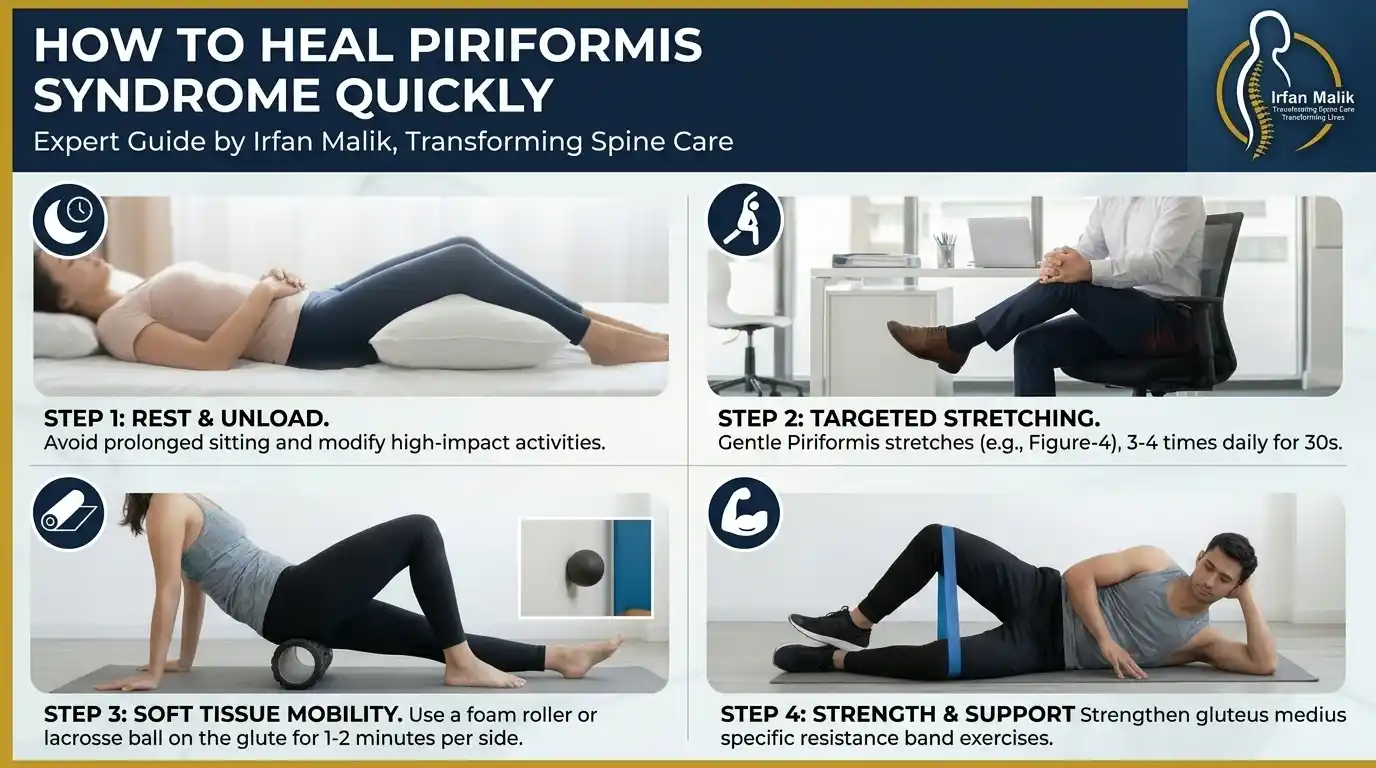
Piriformis syndrome causes pain and discomfort in the buttock area especially when lying on the side that is affected. Finding a comfortable sleeping position can be difficult, but there are a few adjustments you can make to get some quality rest.
If you like sleeping on your side, put a pillow between your knees. It helps to reduce the pressure on your buttock. Alternatively, sleep on your back with a pillow under your knees to support your back and hips, making it easier to hold that position.
Change positions if you find pressure on your buttock uncomfortable, and keep to it. A comfortable mattress that provides the right amount of support for you to remain still will also go a long way to improve the quality of your rest.
Before bed stretches are also recommended if you do not experience symptoms while doing them. Avoid anything that will cause pain, and consult a doctor if the pain becomes constant and impacts the quality of your rest.
Fortunately, most patients find they are able to make a full recovery from piriformis syndrome. This is especially true if piriformis syndrome is caught on. Treatment includes reducing irritation of the muscles, decreasing the pressure on the nerves and improving the range of movement in the hips.
There is variability in how quickly a person recovers, as this depends on the factors that created the piriformis syndrome in the first place. For some people, simple adjustments are all that is necessary. For others, a more rigorous treatment program will be needed.
There are several treatment options for piriformis syndrome including physiotherapy, therapeutic exercises, lifestyle modifications, and pain medications. Sometimes, when all other approaches have failed, the treatment might include a referral to a specialist who may recommend injections to control piriformis syndrome symptoms.
Piriformis syndrome surgery is rare. Most cases can be addressed without surgical intervention when symptoms don't resolve. In such instances, the best way to address piriformis syndrome symptoms depends on the patient’s overall condition.
The symptoms of piriformis syndrome do not resolve overnight, but addressing them as soon as possible will speed the recovery process.
Stretches focusing on the piriformis muscles improve the hips' flexibility. It is best to have a therapist recommend exercises that fit your situation. While doing them, ensure you feel no pain and are secure.
The region may become sore if you sit for periods, do hard workouts or repeat the same motions often. Make it a point to move and change positions during the day. Limit activities that make the condition worse.
I've discovered that putting a cool pack on the area right after it is irritated can calm it down. Heat is also effective. Be sure to put a towel between the pack and your skin, to protect it.
Physiotherapy is often an important part of treatment for piriformis syndrome. Your physiotherapist will provide a set of strengthening, flexibility, and coordination exercises that you can perform in the safety of your home. Your exercises should gradually increase in complexity and intensity as your symptoms improve.
Anti-inflammatory or pain reliever drugs can provide relief for symptoms in some people, but it doesn't always work for everyone. Always check with a professional first and especially so if you have underlying medical conditions or take other medicines. If you're uncertain, then it's better to ask questions and take care. Your health is important so take your time. Get an opinion. Know how the medicine will affect you before using it. Talk to your doctor.
A specialist will need to evaluate the symptoms if they do not show improvement to confirm whether the pain originates from the piriformis muscle or if it is from another hip or spine condition. Determining the origin of pain is especially crucial in this case as treatment methods differ for each type of pain.
An experienced spinal specialist is the best choice when it comes to planning the steps and finding the treatment you need for piriformis syndrome in the UK.
Chronic pain in the buttocks and the leg symptoms that often go with it (known as sciatica) are not something to just wait on, especially when they begin to affect walking and sleeping. Proper diagnosis ensures that treatment targets the root cause rather than just alleviating the discomfort.
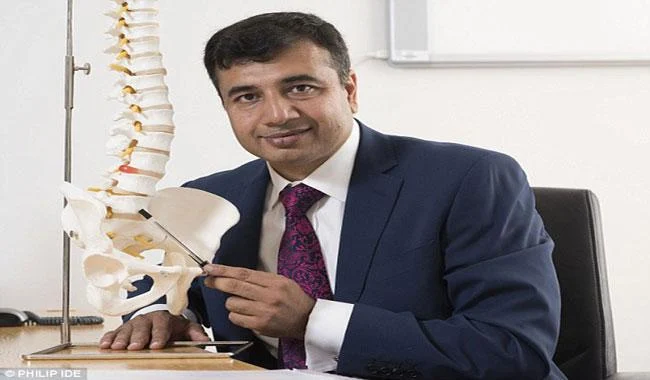
If you are looking for the Best Spinal Surgeon in London, then Mr. Irfan Malik is the right choice for you. Mr. Malik has been practising as a Spinal Surgeon in London and can explain all treatment options, including the right diagnosis. He will make sure you receive appropriate care.
If your bowel and bladder functions have new and concerning issues, or if there is new numbness in the groin/saddle area, or if weakness in your legs has appeared or is progressing, seek immediate medical care. These could be indications of severe nerve compression. These circumstances can require emergency medical care to minimize permanent injury.

Spinal Surgeon
I am the best spinal surgeon in London, recognized as one of the foremost experts in this field. With years of specialized training and vast experience, I have performed countless successful surgeries, earning a reputation as the go-to specialist for complex spinal conditions. My expertise spans minimally invasive spinal surgery, treatment of spinal deformities, degenerative conditions, and trauma-related injuries.
Patients Success Stories


I would like to express my sincere gratitude to Dr Irfan Malik and his outstanding team for the exceptional care I received before, during and after my revision discectomy surgery.
After everything I had been through, I was understandably anxious about undergoing another surgery, but from the very beginning I felt that I was in safe and capable hands. Dr Malik took the time to explain everything clearly, listened to my concerns and gave me confidence throughout the whole process.
I am incredibly happy to say that the surgery went very well. My recovery has been so much better than I could have hoped for, and most importantly, I am now pain-free and able to enjoy everyday life again.
I cannot thank Dr Malik and his entire team enough for their professionalism, expertise, kindness and support. I will always be extremely grateful for what they have done for me.
Thank you, Dr Malik, and the whole team, for giving me my quality of life back. I would wholeheartedly recommend them to anyone who is considering treatment.
Great personal care! Ensuring I had the best possible outcome.
I would like to sincerely thank Mr Irfan Malik and his wonderful team for the outstanding care and treatment I received at The Harley Street Clinic in March.
From my initial consultation through to my surgery and recovery, every member of staff was professional, attentive, and incredibly supportive. My microdiscectomy at L5 was performed at 35 Weymouth Street, and the entire experience exceeded my expectations. The nurses and medical team could not have done more to make me feel comfortable and reassured me throughout.
I feel extremely fortunate to have had Mr Malik as my consultant. Six weeks after surgery, I am now pain free for the first time in six months. I have started physiotherapy and am already becoming stronger and more mobile each week.
The care I received was truly second to none, and I would not hesitate to recommend Mr Malik and his team to anyone considering spinal surgery.
Mr Malik was wonderful, he has paid attention to my symptoms and explored through tests how he could best help me with a plan for every outcome. He identified the damaged nerves that had plagued the last 40 years of my life and used pioneering surgery to obliterate the nerve endings. Recovery began immediately…. And although I have a long way to go I know so am in safe hands
Before surgery, I was in severe pain caused by a large L4/L5 disc herniation. I cannot recommend Irfan Malik highly enough.
From the initial consultation, I felt reassured that I was in expert hands. He clearly explained all treatment options and the likely outcomes, and in my case, surgery was the most appropriate path forward.
Although the operation was already scheduled, I experienced a sudden and severe flare-up 3 days beforehand. I felt a “pop” in my back that left me barely able to stand or walk beyond the bathroom. I was admitted to hospital earlier than planned, and Mr Malik was willing to come in and operate late on a Friday evening if needed. This meant a great deal to me.
Mr Malik performed an endoscopic discectomy and found that the nerve was severely compressed and inflamed. The result was immediate. I woke up with complete relief from the leg pain, and within days I was walking comfortably again. The only way I can describe it is like having a splinter removed. Waking up pain-free felt surreal, but it was real.
My recovery has exceeded all expectations. Four weeks on, I feel completely back to normal and have started physiotherapy. Throughout the entire process, Mr Malik was calm, clear, and highly professional, which made a very difficult situation much easier for both me and my partner.
I would also add that Fortius Clinic, where the procedure took place, was outstanding. The level of care and comfort was exceptional, more like a five-star hotel than a medical facility.
I, along with many others, owe Mr Malik a debt of gratitude that is hard to put into words.
Mr Irfan gave me confidence in his ability to successfully resolve my issue and delivered as promised (cervical spine disc replacement).
Absolutely wonderful service from start to finish. The care was seamless. Dr Malik and his team took great care of my delicate spinal surgery with outstanding outcome and it’s only been a week!
I had Rt foot drop with lack of function and sensory impairment for several months before surgery.
I have got sensation back in my Rt lower limb and no doubt will regain function as well. This was unimaginable just a few months ago- it’s truly astonishing to have noticed such a difference…testament to excellent surgery done by Mr Malik and his team!
Mr I Malik was thorough, patient and explained things and nothing was too much trouble. He checked in at regular intervals to make sure things were progressing well and I can only say I can barely contain my delight!! Mr I Malik is a true gentleman with exemplary bedside manners and goes without saying being highly skilled at what he does!!
Thank you SO SO much for your first class care! Will always be grateful 🙏🏽 🙏🏽
Excellent spinal surgeon who has given me back painfree mobility - would recommend to anyone needing lumbar decompression!
My experience of having Mr Malik as a surgeon was excellent. He explained the underlying problem in simple terms, explained my treatment options and escalated the speed of arranging surgery in response to my high pain level. The surgery went as planned and the follow up appointments were very helpful. Mr Malik also has a very professional and personable approach which is reassuring at a time of being unwell and nervous
I underwent a TLIF procedure abroad which unfortunately left me with significant disability and ongoing pain. My spine was tilted to the left, and the implant had not been properly secured, resulting in forward migration and serious complications.
I was subsequently referred to Mr Irfan Malik, who performed an ALIF surgery in January last year. From the outset, his approach was thorough, reassuring, and highly professional. He remained closely involved throughout my recovery, providing consistent follow-up and clear guidance at every stage.
I had repeat imaging two weeks ago, which has confirmed an excellent outcome. I have now been cleared to return to the gym and resume normal activities, something I did not think would be possible at one stage.
I am extremely grateful for the care, expertise, and commitment shown.
Highly recommended.
Dr Malik was superb in seeing me on such short notice and the operation went smooth as can be. Highly recommend!
Great service
Excellent Surgeon and Care
I recently had surgery performed by Mr
Irfan Malik, and I couldn’t be more grateful for the care I received. From the very first consultation, the doctor was professional, reassuring, and took the time to explain everything clearly. The surgery went smoothly, and I felt confident and well looked after throughout the entire process.
The recovery has gone really well, and I’m already feeling much better. I also want to thank the medical team and nurses for their kindness and care — they made a stressful time much easier to handle.
I highly recommend Mr Malik to anyone in need of surgery.
Exceptional care — truly life-changing
I recently underwent spinal decompression surgery with Dr. Irfan Malik (Neurosurgeon), and I am deeply grateful for the outstanding care I received. From our very first consultation through the operation and immediate recovery, Dr. Malik was professional, reassuring, and thoroughly attentive.
He explained the procedure step by step in clear, easy-to-understand terms and patiently answered all of my questions — which made me feel confident and well-informed before going into surgery. The operation was successful: I experienced relief from my nerve pain straight after the surgery. Aside from normal post-surgical discomfort, which resolved within about a week, my symptoms improved dramatically and my recovery has been smooth.
Dr. Malik’s bedside manner is warm and empathetic. He communicated in a friendly and respectful way, and I always felt heard and cared for. His skill and attention to detail were evident throughout the whole process.
I wholeheartedly recommend Dr. Irfan Malik to anyone seeking a knowledgeable and compassionate neurosurgeon. His combination of technical excellence and genuine empathy made a real difference in my recovery
- CATHIRAVAN ILANGOVAN
I am 29 years old and was in debilitating pain for 5 years before the surgery, I tried everything, and now I am completely pain free.
Dr Malik was very helpful and made me feel a lot less scared about the decompression surgery.
He is a magician. I never thought I would be pain free again, thank you Dr Malik.
Expert medical advice and care. Recommended.
Could not recommend Mr Malik more. He has helped with all my pain and undertook a successful C7 disc replacement. Couteous, understanding and very professional.
⭐️⭐️⭐️⭐️⭐️
I recently had a microdiscectomy at L5/S1 with Mr Malik and couldn’t be happier with the outcome. His professionalism, warmth, and expertise put me completely at ease throughout the process. I felt fully supported throughout and had absolute trust in him and his team. I’m very grateful for the care I received and would recommend Mr Malik without hesitation.
I would like to express my deepest gratitude to Dr. Irfan Malik, Neurosurgeon, for the exceptional care and expertise he provided during my spinal surgery. Before the procedure, I was suffering from very severe back, hip, and leg pain (over a decade)that made daily life extremely difficult. I was in constant discomfort and struggling just to get through the day.
From the initial consultation to the post-operative care, Dr. Malik demonstrated not only outstanding professionalism but also genuine compassion and reassurance every step of the way. He took the time to explain everything clearly, answer all my questions, and help me feel confident moving forward with the surgery.
I’m now on the path to recovery, finally free from the pain that had taken over my life. Dr. Malik’s calm demeanor, clear communication, and thorough approach gave me confidence and peace of mind throughout the process.
I truly feel fortunate to have had Dr. Malik as my Neurosurgeon. His work has made a profound difference in my life, and I wholeheartedly recommend him to anyone in need of spinal care.
Thank you again, Dr. Malik, for giving me a new lease on life. I am forever grateful for your exceptional skill and compassion.
Had a really positive experience. I had a fractured L5. Received treatment from Mr Malik. Pain has totally subsided. Would totally recommend Mr Malik
Mr Malik is exactly what you want in a surgeon. After a scary diagnosis he was very understanding and made me feel ready for the surgery to come. The surgery was performed brilliantly by him and his team. I'm extremely happy that he helped my through my issue.
I can’t begin to praise Dr. Malik enough for what him and his staff did for me. When I slipped my disc I was completely incapacitated. I was physically unable to stand on my own. The NHS referred me for an MRI that was 6 weeks away which was just not an option. At the time I also had a 5 month old at home, staying in the state I was in just wasn’t an option. My husband did extensive research and came across Dr. Malik. He was able to see me the day after we contacted him, gave me an MRI that evening and was able to fit me in for a nerve block the following morning. Although everything went perfectly it provided minimal relief as the slip was so bad. (Which Dr. Malik informed me may happen) Unfortunately I had to have spinal surgery and I wouldn’t want anyone other than Dr. Malik to do it. His knowledge is beyond anything I could imagine. Not only is he an unbelievably talented surgeon and highly respected in his field but he made sure I understood each and every step he took to get me back on my feet. He also made sure to give me every option allowing me to make the most informed decision. I’m forever grateful for all that he’s done for me. Please, if you’re looking for a expert in this field, see Dr. Malik. You won’t regret it.
I recently consulted Mr. Malik for acute back pain. He was professional, thorough, and clearly very knowledgeable in his field. He took the time to explain the cause of my pain and discussed treatment options in a clear and reassuring manner. I felt well cared for throughout the consultation and would highly recommend him to all.
Research and Insights
Explore a collection of our research and scholarly articles. Each publication reflects our commitment to advancing knowledge and contributing to the field.
Copyright © 2026 All rights reserved Mr. Irfan Malik