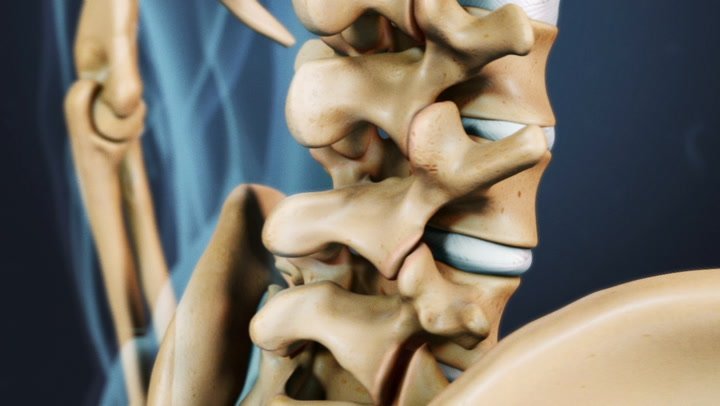

One of the most prevailing musculoskeletal problems that are usually complained by patients of all ages is neck pain. Many factors can contribute to the problem including long working hours at the office, incorrect body posture, mental strain, or bad sleeping patterns.
Pain in the neck can lead to a disturbance in daily life, a decrease in the amount of work done, and a negative impact on health in general. At the same time, it is good to know that there are ways of getting neck pain relief that are non-invasive and proven to be effective.
In this guide, we will look into causes of neck pain that are common, and might be prevented through the use of practical remedies, and gentle stretching exercises. We shall present the cases in which soliciting the help of a specialist or a practitioner is definitely much needed in chronic neck pain.
Identifying the origin helps one to successfully treat neck pain.
Modern living has a huge impact on long sitting; rather, it can be viewed as a primary reason, particularly when the employment of computers and mobile devices is considered. Bad attitudes like slumping, leaning the head forward, and wrong desk setup exert quite a lot of stress to the cervical vertebrae. Eventually, these circumstances result in a neck that is both stiff and weak, which over time develops into chronic neck pain.
Emotional strain most often appears in the body. Someone's shoulders might be stiff, and the muscles in their neck may be so locktight that blood circulation gets interrupted which leads to a never ending pain feeling. Tension resulting from stress is among the top reasons for the difficulties of obtaining relief from chronic neck pain.
A bad pillow or a wrong sleep position may cause a crooked neck for hours. This pressure usually makes the individual feel uneasy, suffer pain, and have their mobility restricted during the process of getting up.
Listed below are the evidence based treatments and exercises that are given the go ahead by many neck pain specialists and mobility experts.
This exercise is performing cervical alignment and decreasing nerve compression as well. Let the head tilt by relaxing the chin and letting the head sink back. Hold for 5 seconds at a time for longer periods and do the exercise ten times.
The neck turns done gradually boost the movement nature and lessen the tightness sensation. A gentle, gradual movement of the neck, to be specific, up and down will contribute in reducing the neck's pressure. Moving your chin towards your chest can be one of the simplest ways to perform neck stretching followed by pulling your head back for a soft stretch.
Facing forward, gently rotate your head around to the left toward your left shoulder until you sense a neck stretch on the right neck side. This targets tight muscles and supports long term neck pain relief.
Chin tucks can be beneficial as they not only enhance the strength of deep neck flexor muscles but also help in correcting forward head posture. This exercise is regular in the list of exercises prescribed by a neck pain expert.
Now lower your chin slowly toward your chest and then tip your head softly toward your right. This will create a left cervical tilt.
Alternating both can be highly effective for neck pain treatment.
In cases of osteoarthritis, Mr. Irfan Malik believed risedronate was not as effective as the best osteoarthritis as combination therapy. However, long term use should be discussed with a neck pain doctor.
Professional massage therapy or self massage with a tennis ball can help to release trigger points and increase the range of motion. A considerable number of patients claim that neck pain has become much less of a problem after regular treatments.
Directly positioning the screens to the view of the person is one of the ways to reduce neck strain significantly. It is also necessary to consciously maintain the support of one's lower back and the use of phones should be limited.
As head movements like Nod and Neck exercises do affect flexibility positively, Raven's posture in yoga could cause relaxation. These movements are frequently advised by the best neck pain experts.
Prevention is equally important to cure. To avoid any recurring neck pain:
Top spinal surgeons in the UK have many of their patients adopt a preventive strategy, thus preventing surgery altogether.
Having remote intensive remedy in home is all right in minor or average situations, but professional advice of an expert or consultant for neck strain will be highly recommended when:
He may require a spinal cord surgeon if the condition is severe or complex to bring comfort, relief, and proper treatment to cervical neck pain in the UK.
Neck pain is always a frustrating and sometimes even a tiring ordeal. However, if you learn about the causes that trigger your neck pain and, at the same time, apply the recommended stretching, posture improvement, and lifestyle modifications, you will have good chances to get rid of your neck pain once and for all.
Prompt treatment coupled with professional help from a neck pain doctor or a leading neck pain consultant guarantees better results and avoids complications in the long run.
Should discomfort persist regardless of conservative treatments, the top spinal surgeons in the UK might through their experience and knowledge pinpoint a range of advanced treatment options that are tailored to your specific issue.
Mild stretches and suitable posture maintenance and heat or cold are some ways to ease neck pain.
Intentional movements that are not intended to antagonize the dog may be gentle rolls, general stretches, and chin tucks.
It follows that a set of activities for soft tissue rehabilitation would be useful to attempt to correct or prevent the paucity of movement particular to the cervical region.
Try using a soft pillow, and lie on your back or your side with your sleeping position including an aligned neck and spine.
When we talk about inflammation reducing drinks, the foremost ones, which are spontaneously conjured up, are turmeric ginger tea or similar drinks which can suppress muscle inflammation.
Trying therapy would work but would not be efficient without a break. Tempering heat therapy with mild neck movement and shoulder rolls would (thus) relieve the patient quickly.

Consultant Spinal Neurosurgeon
I am a renowned spinal neurosurgeon based in London, recognized as one of the foremost experts in this field. With years of specialized training and vast experience, I have performed countless successful surgeries, earning a reputation as the go-to specialist for complex spinal conditions. My expertise spans minimally invasive spinal surgery, treatment of spinal deformities, degenerative conditions, and trauma-related injuries.
Research and Insights
Explore a collection of our research and scholarly articles. Each publication reflects our commitment to advancing knowledge and contributing to the field.
Copyright © 2026 All rights reserved Mr. Irfan Malik