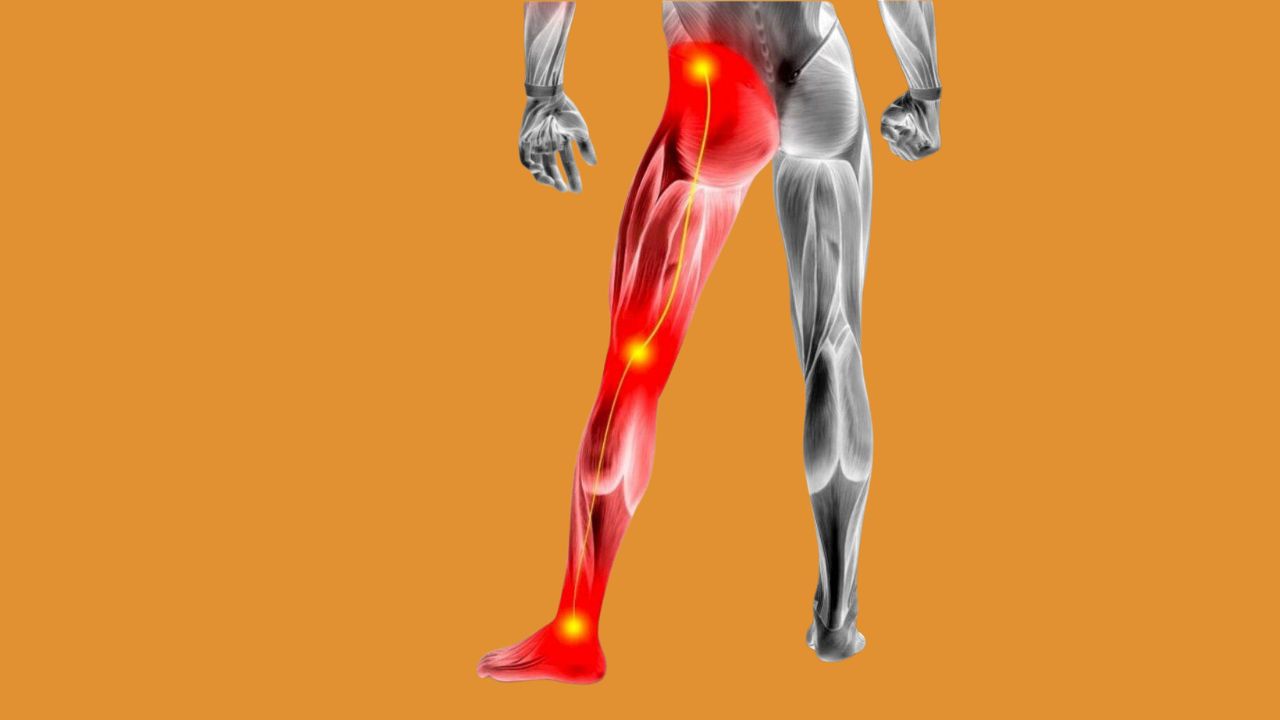
Never ending pain in the back or neck area can lead to limitation of movement and in the end, such a person's life can be negatively affected with the others even more so.
One of the latest techniques, minimally invasive spinal surgery, is still on the lower end of pain management options as it predicts less pain, smaller cuts, and faster recovery time. In any case, the contemporary method is not available to all patients. Recognizing the signs for minimally invasive spinal surgery is a crucial milestone enabling the patient to establish a safe and efficient treatment strategy that would lastingly contribute to the wellness of the spine.
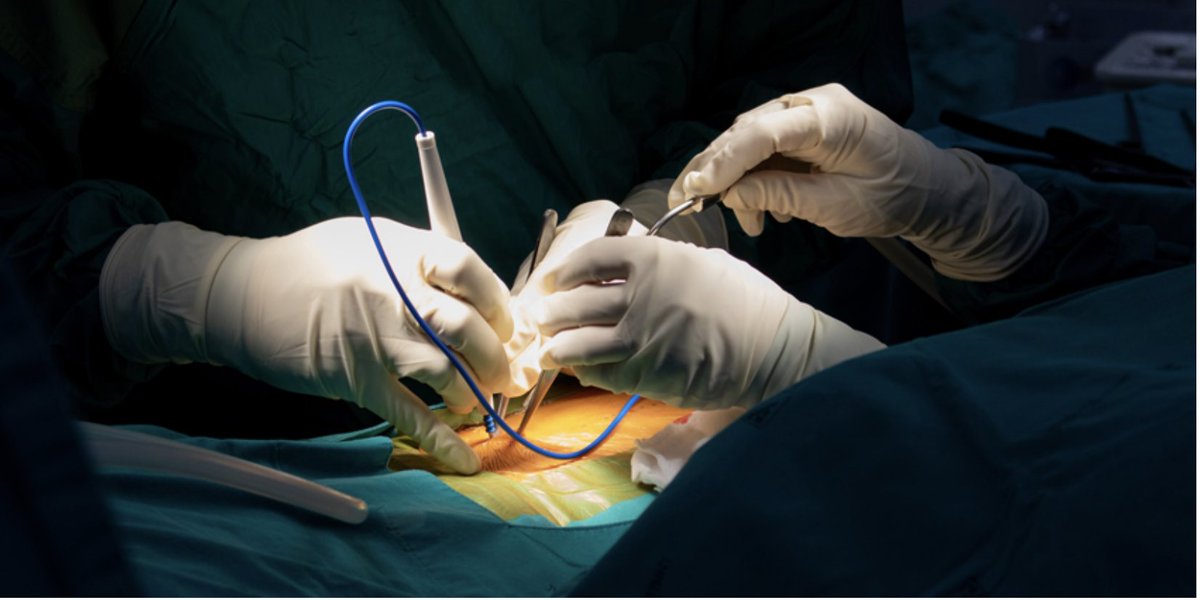
Minimally invasive spinal surgery (MISS) is a revolutionary surgical technique that not only treats spinal disorders through minor incisions but also minimizes the damage to the surrounding tissues and hastens the recovery period. So, the surgeons do not remove the big muscle areas that limit the patient's recovery. Instead, they use a combination of special instruments and imaging technology to very precisely locate the area of the spine that is in trouble, to slightly push away the tissue of the affected area and as a result to cause very little harm.
The new approach can be utilized in multiple medical scenarios, including herniated discs, spinal stenosis, degenerative disc disease, and even scoliosis. One such surgery is a spinal decompression that is carried out to relieve the pressure on the nerve or a spinal fusion that is meant to stabilize the spine. Both types of surgeries are accompanied with a notable decrease in blood loss and shorter hospital stays.
The benefits that the patients indicated as the most remarkable ones, among others, when talking about spinal stenosis surgery done using minimally invasive techniques were: amazing pain relief, smaller scars, and quicker resumption of daily life. Therefore, this method is considered the least invasive one for treating chronic pain in the back or neck.
Definitely, the surgery in spinal surgery for a patient which, in turn, is minimally invasive is not eligible. Your doctor will take into account your medical history, the condition of your spine, and how you reacted to conventional treatment in his decision. Minimally invasive surgery is usually recommended by doctors to treat the patients with the following conditions:
If you have tried physical therapy, pain medications, or injections with no long term relief, then you might be considered as a possible candidate. Your doctor may use MRI or CT scans to determine if a minimally invasive surgical approach for spinal stenosis or a different type of targeted treatment can effectively cure your condition.
Usually, health is a decisive factor too, the patients must have enough strength to resist anesthesia and the betrayal of the surgery. Such occurrences may directly lead to the patient having a better healing process in the end.
Various influences spinal surgical patients in opting for minimally invasive spinal surgery. The benefits of MISS over traditional open surgery are numerous and include:
In the case of spinal stenosis and worse scenario of fusion, the advanced techniques in the area of minimally invasive back surgery have changed the patient outcome dramatically and thus made possible the faster rehabilitation and better quality of life.
Spine surgery specialization in minimally invasive and conventional procedures carries a host of risks and possible complications.
It is possible that some spinal stenosis cases will not achieve a complete cure by the minimally invasive surgery methods, particularly in the scenarios where there is a significant deformity or instability. Still, through the collaboration of correct diagnosis, preoperative care, and post operative monitoring, the hazards can be reduced to a great extent.
In advance of the operation, your surgeon will go through all the possible complications with you, and thereby you will be able to make a confident and well-informed choice.
Mr. Irfan Malik dedicated to using the most sophisticated and accurate spinal care methods to assist the patients in getting their long lasting relief. He handle the treatments of the least invasive spinal decompression surgery, least invasive spinal fusion surgery, and the least invasive surgery for spinal stenosis.
He assure accuracy and safety during the entire process by using the best quality medical imaging and surgical equipment. His focus on patients allows us to merge surgical proficiency with caring treatment by customizing each patient's treatment plan according to his/her situation.
Choosing Mr. Irfan Malik for minimally invasive spinal surgery implies reduced pain, quicker recovery, and long lasting better spinal health.
If you have been suffering from long term pain in the back or neck area, the very first step to take is to consult a qualified professional who will assist you in the matter. Mr. Irfan Malik, a topnotch spine surgeon, is well acclaimed for his talent in the execution of state-of-the-art spinal surgeries and other excellent spinal treatments, and he is perfection in performing minimally invasive spinal surgery.
Mr. Irfan Malik's evaluations are extensive, and his diagnosis are accurate and his treatment plans are patient specific to ensure the highest success rate. He will be your partner throughout the whole process, from the diagnosis to the complete recovery whether you are going for a laminectomy for spinal stenosis or spinal fusion.
Mr. Irfan Malik has a rich experience and you can very well book a meeting with him straight away to find out how your mobility, power and comfort can be reclaimed by using the safe as well as effective minimally invasive techniques.
Discography is effective for slipped discs, spinal stenosis, degenerated discs, scoliosis, or any other spinal deformity.The application of treatments like minimally invasive spinal decompression surgery and minimally invasive spinal fusion surgery is a daily routine for these conditions.
No individual has an identical recovery period but the majority of patients will at least start to engage in light activities again in about 2–4 weeks. "The patient needs 2-3 months to return to the pre operative state, based on the nature of operative interventions performed and the basic health of the patient."
In most patients, minimally invasive surgery is associated with less pain because it results in smaller incisions and less muscle damage.The pain management during this type of surgery is, moreover, more successful, which is why there is quick recovery, and hardly any scar forms.
Absolutely. The results of the treatment of spinal stenosis through the minimally invasive surgical approach have been remarkably good with regard to the unblocking of nerves, easing of pain in the legs, and the increase in mobility.
In case you suffer from continuous pain in the back or legs along with dullness of sensation or trouble walking because of vertebral issues, it is recommended that you see Mr. Irfan Malik. An early diagnosis can deter the progression of the disease and make the outcomes of the recovery better.

Consultant Spinal Neurosurgeon
I am a renowned spinal neurosurgeon based in London, recognized as one of the foremost experts in this field. With years of specialized training and vast experience, I have performed countless successful surgeries, earning a reputation as the go-to specialist for complex spinal conditions. My expertise spans minimally invasive spinal surgery, treatment of spinal deformities, degenerative conditions, and trauma-related injuries.
Research and Insights
Explore a collection of our research and scholarly articles. Each publication reflects our commitment to advancing knowledge and contributing to the field.
Copyright © 2026 All rights reserved Mr. Irfan Malik