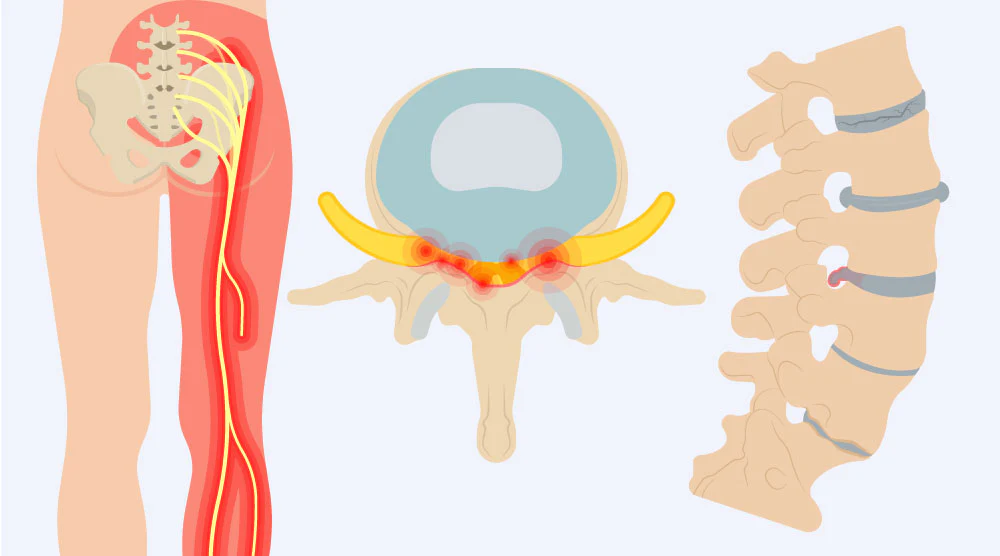
Sciatica has become a very common disorder already, nevertheless, it remains to be one of the most painful disorders that can immensely influence someone's life. The reason for the pain is the sciatic nerve, which is the largest nerve in the body, being either irritated or compressed.
Generally, the pain begins in the lower back area and then it radiates to the hips, buttocks, and in rare cases, even one foot. A lot of patients undergoing sciatica pain therapy inquire: How to tell if the pain from sciatica is subsiding?
The current paper describes 7 unmistakable signs that your sciatica is healing, the 3 stages of recovery from sciatica, and what actions to take in case the symptoms don't go away.
Besides, the article points out different contemporary treatments for sciatica and gives advice on how to decide when to contact the leading spinal surgeon in the UK or refer to the top spinal surgeons in the UK for superior treatment.
The typical presentation of sciatica is pain that is sharp, burning, or shooting that begins from the lower back and travels down one side of the body. Common associated symptoms include:
Getting medical help for sciatic pain is the right step if symptoms like this continue for two weeks or more or interfere with normal living. In the UK, a lot of patients have been getting the help of thorough diagnosis made by the best spinal surgeons in the UK, who identify the cause through the use of advanced imaging and clinical tests.
In a good number of mild sciatica cases, the patient gets better by taking rest, changing activity, undergoing physiotherapy, and taking medication. However, if the pain is so bad that it’s hard to tolerate, keeps coming back or is getting worse slowly, then it could be that just practicing self care is going to make the healing period last longer.
Treatment of the advanced sciatica nerve pain, assistance in rehabilitation or expert assessment would be among the available options. A consultation with one of the best spine surgeons in the UK could establish whether conservative treatment is sufficient or surgery is needed.
Identifying the improvement early on can give assurance and also support making the right treatment choices during the body recovery process. Listed below are seven authentic indicators that your sciatica is getting better.
A very strong signal of healing is when the discomfort starts to leave the leg and redirect slowly to the lower back. This process called centralisation, indicates less nerve irritation and good sciatica treatment.
During the healing process of sciatica, the pain episodes will be less severe and their frequency will be reduced. One more favorable indication of the effectiveness of sciatica pain management is diminished usage of analgesics.
With the reduction of inflammation, daily actions like walking, bending, and sitting are less painful and so easier. Better movement usually indicates good sciatica treatment and nerve healing.
Muscle tightness and spasms are often seen in conjunction with irritation of the sciatic nerve. The spasms gradually disappearing is usually an indication that the nerve is mending and the nearby muscles are getting relaxed.
If the leg or foot loses strength from sciatica, little by little, it means that there is some improvement to the nerve function and some of the treatments prescribed are effective for the sciatica pain.
Physicians often use the straight leg raise test diversely to evaluate the tension of the sciatic nerve. Reduced pain during this test is a clinical sign that sciatica nerve pain treatments are producing positive results.
Later MRI or CT scans might reveal a shrinkage of the disc, a shrinkage of the nerve, or a better position of the spine. These outcomes are considered to point out the effectiveness of the modern treatments for sciatica, especially those controlled by experienced professionals.
The process of recovering from sciatica ordinarily ensues over three stages.
This period is actually the hardest one, and it is usually characterized by inflammation along with intense nerve irritation. The first thing to do is to relieve the pain by using methods such as rest, therapy, medication, and immediate sciatica pain treatment around my area.
The decrease in pain and the gradual improvement of mobility are the outcomes of the therapy. Physiotherapy, stretching, and strengthening exercises are the most important treatments during this time and are even regarded as the best treatment for sciatica by many patients.
The main concern becomes the full strength and flexibility restoration along with the recurrence prevention. Posture correction, core strengthening, and compliance with expert recommended treatment of sciatica pain are the key factors for long term success.
In the majority of cases, sciatica is not viewed as an abrupt or quick remedy but rather as a slow gradual process through the time, primarily due to the strict application of the treatment protocols for sciatica pain.
For minutes, after weeks around 4-6, many minor complaints are nearly gone. On the other hand, very severe cases could need a longer period of therapy or even sciatica treatment UK plans with the intervention of specialists.
Indeed. All these activities performed together with correct posture, physical activities, and good ergonomics lessen the chance of reappearance to a very high degree. It wouldn't be wrong to say that a custom made plan for the best sciatica treatment is a prerequisite.
In the initial stages of treatment, a few patients might go through some temporary flare- ps. This does not necessarily imply that the treatment has failed; on the contrary, it is likely to be a normal part of the healing process.
In case the conservative treatment does not yield positive results, it becomes inevitable to get a specialist involved. The leading spinal surgeons in the UK provide detailed assessments and surgical solutions for sciatica, which are less likely to cause recurrence in the future.
Among the possibilities, there...
Sciatica improvement is determined by accurate diagnosis, regular treatment, and the best pain relief strategy for sciatica. Recognizing these 7 indicators of improvement in your sciatica condition can give you more assurance while you are recovering. However, one should always consider serious pain that lingers or is increasing.
Receiving quick and professional sciatica treatment in the UK from experienced practitioners ensures the most effective recovery and the least possible occurrence of long-term issues.

Consultant Spinal Neurosurgeon
I am a renowned spinal neurosurgeon based in London, recognized as one of the foremost experts in this field. With years of specialized training and vast experience, I have performed countless successful surgeries, earning a reputation as the go-to specialist for complex spinal conditions. My expertise spans minimally invasive spinal surgery, treatment of spinal deformities, degenerative conditions, and trauma-related injuries.
Research and Insights
Explore a collection of our research and scholarly articles. Each publication reflects our commitment to advancing knowledge and contributing to the field.
Copyright © 2026 All rights reserved Mr. Irfan Malik