Free cookie consent management tool by TermsFeed

Allodynia

Allodynia is a form of neuropathic pain. I have seen what Allodynia does, which makes a light touch feel painful. As the name means everything can feel uncomfortable and painful. Even the light touch of clothes or a small change in temperature causes Allodynia. The effects can be disabling in many situations. It can also keep people from sleeping. Allodynia is not a disease of itself. It is usually a symptom of another health problem.

Allodynia

It is a symptom. That means it points to something going on in the body. So it's important to find the cause behind it. Even though allodynia can happen with conditions the painful reaction alone doesn’t show what is causing it. A full and careful evaluation is needed. This helps doctors choose the treatment. It also makes sure no other serious issue is missed.
What is Allodynia?

When I read about Allodynia I can’t. Think about how tough it must be to live with. Allodynia is a condition where the nervous system gets things wrong. Allodynia takes a touch like a brush or a light touch, on the skin and turns it into something painful. What should feel gentle ends up feeling, like a burn, a sting or even a sharp pain. It’s not just uncomfortable. It’s a reminder that the body’s alarm system is stuck on high. It's not just discomfort, ordinary sensations turn into pain. That must be so hard to deal with every day.

There are different forms. Lightly brushing an area of skin that has Tactile Allodynia results in a feeling of pain. Dynamic Allodynia is when something moves across the skin and it hurts. Thermal Allodynia is when a mild change in temperature causes pain. Allodynia is very painful.

Symptoms

Pain can happen anywhere from the skin to the joints to the organs.

  • Allodynia is a form of pain that occurs in response to light stimulation of the skin, for example the touch of clothing. There may be sensations of stinging or burning on the skin. 
  • It is hard to stay because a small movement can cause pain.
  • It can be very painful to touch something that's only as hot or cold as the room temperature.
  • Pain is always present and falling asleep is very hard.

When to See a Consultant

If you start to feel more sensitive, than usual or if it begins to get in the way of your life or your sleep or if you suddenly feel weak or you feel numb or if you have symptoms that don't seem normal especially if you feel weak or numb or if you have a really bad headache you need to see a doctor right away. If you have weakness especially on one side of your body or if your face droops or if you have trouble speaking or swallowing you need to get checked out immediately.

Causes of Allodynia

Allodynia is connected to changes in the way the nervous system handles signals. Allodynia can arise from conditions.

  • Allodynia may be linked to nerve conditions: Diabetes can alter how you feel things and move.
  • Allodynia may be linked to shingles: Some infections cause the nerves to be irritated resulting in a burning sensation, to the skin.
  • Fibromyalgia might have some relationship to allodynia: In fibromyalgia, some people experience sensations or feel more sensitive than usual to something touching their skin.
  • There may be a link between migraines and allodynia: Some people get migraines, and when they do, their skin becomes sensitive.

It is possible that allodynia has a relationship to damage that may have occurred to a nerve. Damage to a nerve may have several causes, which may include things like medical interventions, and other forms of physical injury. When the integrity of the nerve has been disrupted, then its signals are altered, if not fully obstructed.

Diagnostic

To start the diagnostic process, your doctor will discuss with you your symptoms and the history of your medical problems. After this initial conversation, the doctor will conduct an examination where they will observe the sensation of the skin. They will then test the reflexes of the muscles. The doctor will note when the pain began, as well as if anything triggers or improves it, for example touching or change of temperature.

After initial discussions, your doctor will likely determine some diagnostic tests for you based on the information provided to them and the information they think is relevant to your case. The tests of your blood might show the cause to be diabetes or vitamin deficiency. A nerve conduction study or an electromyogram, perhaps in conjunction with an MRI scan, may be ordered for suspected nerve damage.

Treatment Options

Treatment can be done to remove or manage the primary cause. Comfort can also be improved. Options for treatment are outlined below:

  • Medications: Some medications for nerve pain can help control pain. For the purpose of managing pain, medications may be prescribed.
  • Topical Treatments: Products for lidocaine or capsaicin have shown some success in some patients. Topical treatments can be applied directly to the skin. They can also be an option for some patients. 
  • Physical Therapy: A tailored physical therapy program can improve a patient's tolerance to uncomfortable and/or previously intolerable sensations.
  • Lifestyle Changes: Some improvements occur with avoidance of known sources of irritation, and protective clothing.  Most cases of improvement occur after a combination of different techniques are used together.
  • Psychological support: Some coping techniques and methods may lessen the pain. For this, some patients need psychological support. Psychological support can assist in dealing with the symptoms.
  • Treating the Cause: Improving the symptoms by addressing the causes (such as diabetes, and the shingles associated nerve pain) is a possibility. Improving the symptoms has value.

Treatments will vary based on cause and the patient’s health. Don’t stop medications without doctor advice. Spinal/nerve-related symptoms can be addressed by Mr. Irfan Malik. If specialist care or consultation is appropriate, then Mr. Irfan Malik can assist with that. Spinal/nerve-related symptoms can be assessed by Mr. Irfan Malik. Whether a specialist consultation or care is needed is at his discretion.

Patients Success Stories

My Happy Patients Are
Saying Something Awesome

Spine Trauma

Spine Trauma

Expert care, rapid recovery: Rebuilding strength after spine trauma.

Read More
Spine Fracture Surgery

Spine Fracture Surgery

Read More
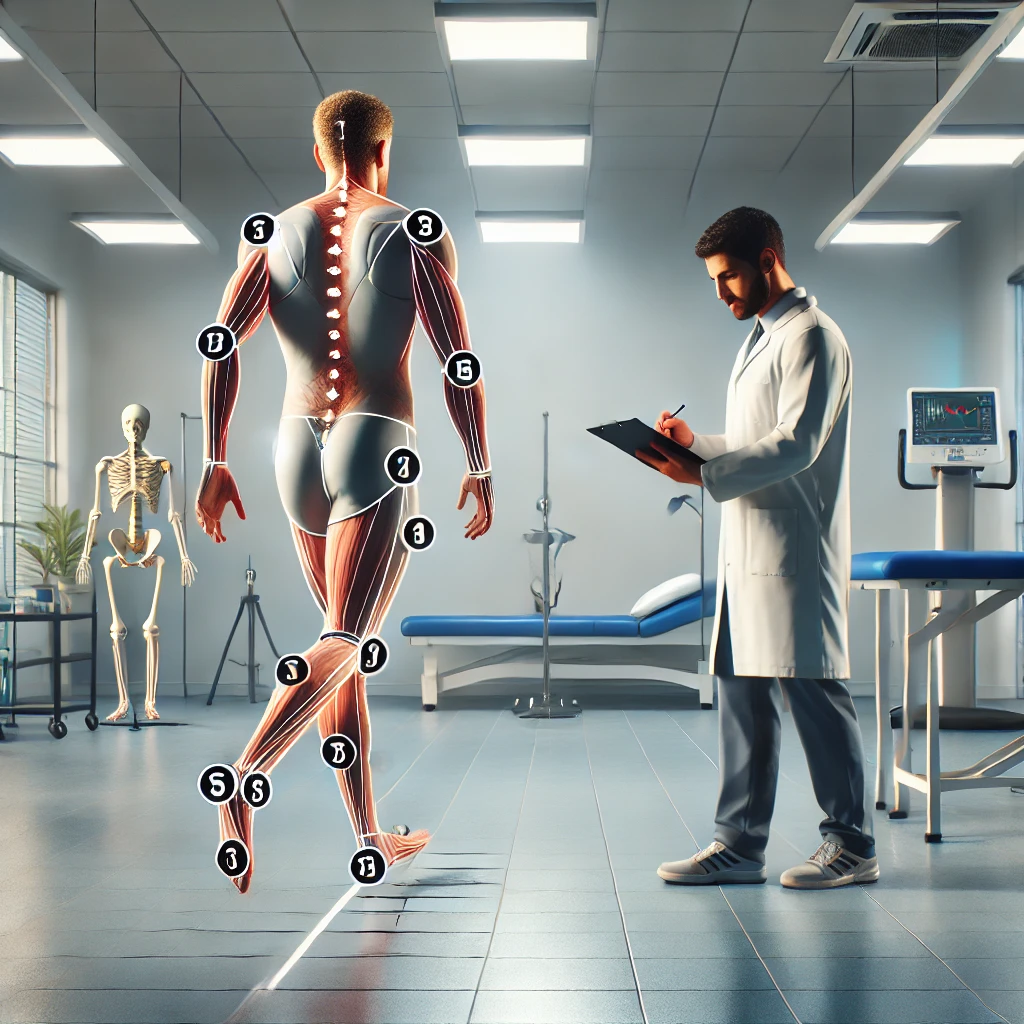
Gait And Postural Assessment

Gait And Postural Assessment

Analyzing movement, enhancing posture: Comprehensive gait and postural assessment.

Read More
Heart Logo

Request an appointment

Speak to someone today, we're ready for your enquiry. Book an appointment or ask for advice.

Recognized and Connected

Accridation and Affiliations

Showcasing our professional accreditations and affiliations with leading organizations. These endorsements highlight our commitment to excellence and industry standards.