Free cookie consent management tool by TermsFeed

Tethered Cord Syndrome

Tethered Cord Syndrome is a condition. This tension can affect the nerves. The condition is often present from birth. However surgery or injury can also cause tethering. Symptoms may appear in childhood. It is possible for symptoms to begin in adulthood.

Tethered Cord Syndrome

The condition does not always cause problems. Some people remain symptom free. This happens during periods of growth. It also happens as physical demands change. Recognising changes, helps Mr.Irfan Malik. Mr. Irfan Malik decide whether observation is needed. He decide whether further testing is needed. Also decide whether treatment is needed.
What is Tethered Cord Syndrome?

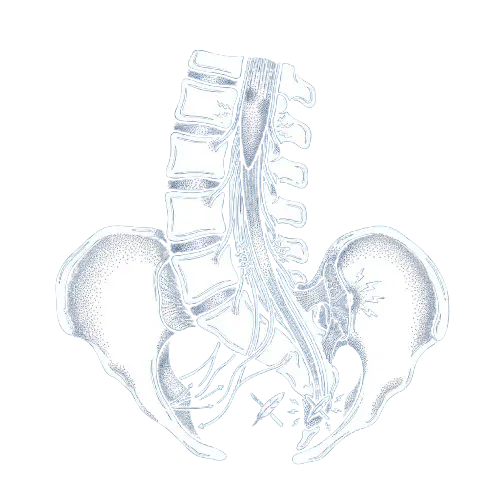
In this condition an abnormal attachment, a thickened filum terminale, fatty tissue or scar can hold down the end of the spinal cord. Tethered cord is often linked to spinal problems, like spina bifida. It is possible to have no spinal abnormalities or skin lesions.

Symptoms

Symptoms are different according to the patient’s age. They may include: 

  • Patients might feel weak. They could also have a tingling feeling. Some people might lose feeling, in parts of their body.
  • Walking or balance problems, as well as changes to the patient's feet. 
  • Other changes in spinal alignment.
  • Changes in bowel control.

If you are a child, you should report it to your doctor if you have a back lump, a hairless patch, a dimple, or an opening.

When to See a Consultant

This also applies if you have bladder or bowel problems. It should also apply to kids with foot deformities, or those with bowel/bladder problems, scoliosis, or a combination of all of these symptoms. In all cases, seek emergency help if you lose bowel or bladder control. If there is rapid leg weakness, it's also a case of seeking emergency help.

Causes of Tethered Cord Syndrome

Causes may be congenital or acquired, including:

  • Spina bifida, including myelomeningocele or lipomyelomeningocele.
  • A thickened or fatty filum terminale.
  • A dermal sinus tract or other developmental spinal abnormality.
  • Less commonly, a spinal tumour or another abnormal attachment.

These attachments restrict movement and place tension on the cord.

Diagnostic

A patient’s medical history is reviewed carefully. The results of an exam are also looked at. These steps help doctors make a diagnosis. Doctors check the patient’s strength. They also look at reflexes and sensations. During the exam doctors watch how the patient walks. They inspect the alignment. An MRI gives doctors an image. 

It shows the cord and its position. This view helps in understanding what might be wrong. Ultrasound may be used on children to check their spine if the patient is not yet old enough for their spinal bones to be developed. Tests may be recommended if urinary symptoms arise.

Treatment Options

Treatment is dependent upon age, symptoms, and the findings on the scans. Options may include:

  • Monitoring: When there are no worsening symptoms patients are checked on regularly and tests and scans are done.
  • Physiotherapy: Even though it does not free the spinal cord physiotherapy can help in keeping balance and movement.
  • Bladder and Bowel Support: Problems with the bladder and the bowel can be handled with the help of expert doctors.

Checking in after the surgery is very important because the spinal cord can become tied again after the operation. Decisions about treatment should be made by a group of experts who specialize in this area.

Patients Success Stories

My Happy Patients Are
Saying Something Awesome

Balloon Kyphoplasty

Balloon Kyphoplasty

Restoring vertebral strength and alignment: Minimally invasive relief with balloon kyphoplasty.

Read More
Spinal cord injury

Spinal Cord Surgery

Restoring mobility, relieving pain—advanced care through spinal cord surgery.

Read More
Lateral Spine Cages and Surgery

Lateral Spine Cages and Surgery

Read More
Heart Logo

Request an appointment

Speak to someone today, we're ready for your enquiry. Book an appointment or ask for advice.

Recognized and Connected

Accridation and Affiliations

Showcasing our professional accreditations and affiliations with leading organizations. These endorsements highlight our commitment to excellence and industry standards.