Free cookie consent management tool by TermsFeed

Schmorl Node

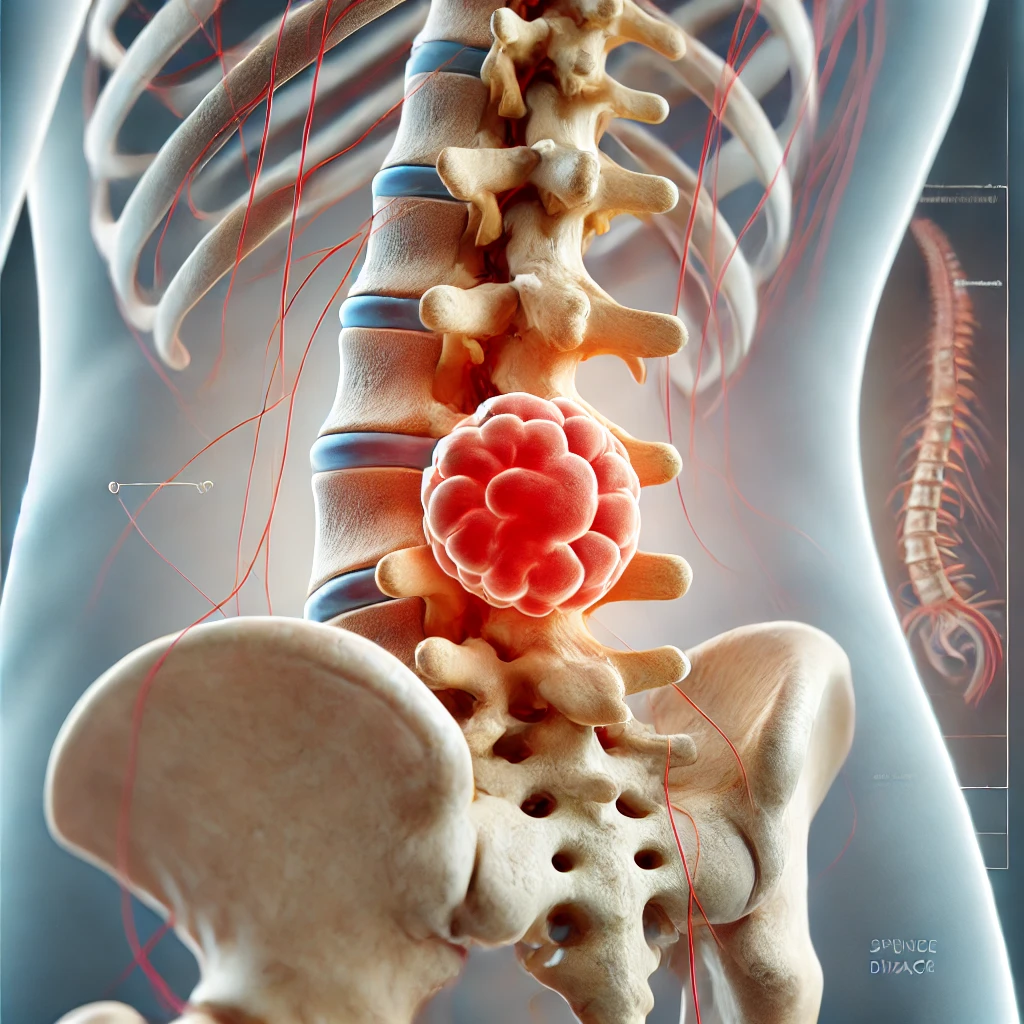
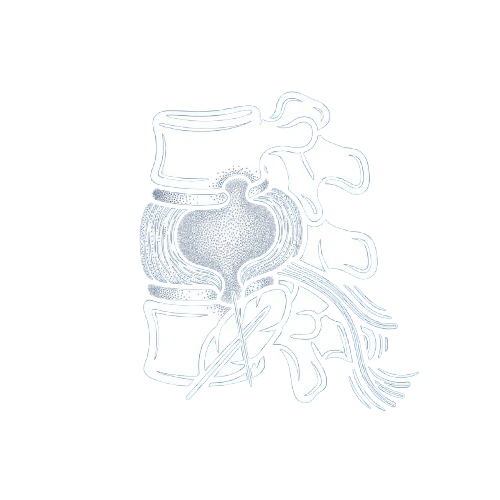
A Schmorl Node occurs when soft material from an intervertebral disc pushes through the endplate into a neighbouring vertebra. It is often found on an MRI taken for another reason. Most Schmorl nodes do not cause any symptoms. Do not require any treatment. Sometimes inflammation near a node can cause back pain and stiffness. This condition is different, from a disc bulge pressing into the spinal canal. The importance of this condition depends on symptoms, examination results and scan details all taken together.

Schmorl Node

What is Schmorl Node?

The spine holds vertebrae that are separated by discs that take pressure. Each disc has a centre and a tougher outer layer. I have read that when a Schmorl node happens, disc material moves vertically through the endplate into the body. Unlike a slipped disc a Schmorl node usually does not press on spinal nerves. Schmorl nodes appear often in the back and lower back areas.


Symptoms

A lot of people don't feel anything at all. When a node becomes painful signs might include:

  • Pain: I feel a feeling in the bone of the spine that is affected.
  • Stiffness: Sometimes when I move around I feel aches. I cannot bend or change positions easily.
  • Tenderness: The area around the spot is sore and moving there becomes painful.
  • Tightness: The surrounding muscles are stretched, causing the muscles to feel like they are too tight. 
  • Activity-Induced Discomfort: The pain that shows up after I do an activity or lift something is a clear sign of discomfort.

These symptoms can also come from causes so a proper assessment is important.

When to See a Consultant

If back pain continues, it gets worse. Makes it hard to sleep or do everyday tasks and arrange an assessment. A specialist can look into whether a node's causing the symptoms or if there’s another issue with the spine. Seek care right away if there is new weakness in the legs numbness around the groin area or any changes in bladder or bowel function.

Causes of Schmorl Node

The exact cause is not always clear. Here is the input from the user Possible factors include:

  • Disc Degeneration: As you age Disc Degeneration can make the discs and the surrounding structures weak.
  • Spine Repeated Loading: Lifting items and repeating the tasks over and over can make Spine Repeated Loading put stress on the spine.
  • Trauma: Direct blows or quick stresses on the endplates will injure the endplates.
  • Factors: Differences in how the spine grows or its structure may make it more, at risk.
  • Weakened bone: strong bones may change how a vertebra handles pressure.

Sometimes a Schmorl node can appear with no reason and I have seen this happen when the Schmorl node shows up for no clear cause.

Diagnostic

The physician begins by looking at the symptoms and the medical history. Then, a physical exam will determine where there may be discomfort or lack of movement. Nodes are able to be detected with MRI. Other types of imaging such as X-ray and CT can show swelling or injury. The specialist looks at imaging, with symptoms because a scan finding alone does not prove it is causing pain.

Treatment Options

When a node doesn't cause any symptoms, treatment is not needed. For cases options may include:

  • Activity Modification: Cut down on movements that make the pain worse.It is better to be lightly active.
  • Pain relievers that don’t require a prescription can be helpful.
  • PT is designed to help a person with regaining or maintaining movement through exercises. 
  • Pain Management: Pain Management doctors can give advice for pain control if needed.
  • Intervention: Surgical intervention is rare unless node‑induced symptoms become intolerable.

Most people do well with care. Focus treatment on the actual source of the pain rather than focusing only on the imaging. Mr. Malik is happy to discuss symptoms and review imaging.

Patients Success Stories

My Happy Patients Are
Saying Something Awesome

Thoraco-Scopic Spine Surgery

Thoraco-Scopic Spine Surgery

Read More
Spine Cancer

Spine Cancer

Comprehensive care and hope: Fighting spine cancer with advanced treatments.

Read More
Syringomyelia

Syringomyelia

Relieving pressure, restoring life—advanced treatment for syringomyelia.

Read More
Heart Logo

Request an appointment

Speak to someone today, we're ready for your enquiry. Book an appointment or ask for advice.

Recognized and Connected

Accridation and Affiliations

Showcasing our professional accreditations and affiliations with leading organizations. These endorsements highlight our commitment to excellence and industry standards.