Free cookie consent management tool by TermsFeed

Bertolotti Syndrome

Bertolotti Syndrome is a known cause of back pain that comes from an unusual link between the lowest lumbar vertebra, called L5 and the sacrum. This special connection is there from birth. For most people, symptoms do not become apparent unless there is irritation of tissues surrounding the location. It may take some time before the condition becomes apparent and for people to develop symptoms, often when pain becomes more localized and specific. Bertolotti Syndrome may manifest later on in one's life.

Bertolotti Syndrome

What is Bertolotti Syndrome?

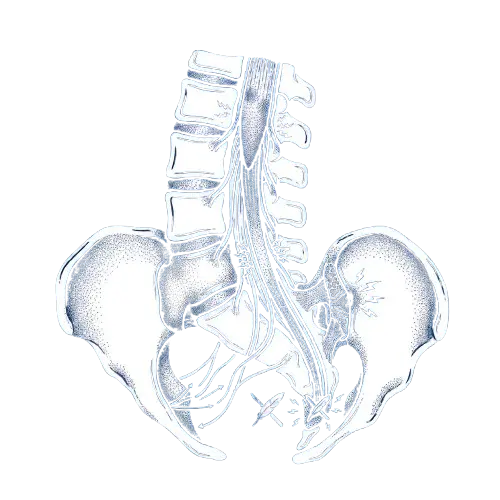
The condition involves a transitional vertebra. This is a difference where the lower back meets the sacrum. In some people a larger side part of the L5 bone touches. Connects with the sacrum or the pelvis. This can create a joint or a partial joining, at the bottom of the spine. This can add pressure to the nearby discs and joints.


Symptoms

The signs of Bertolotti Syndrome are:

  • Lower back pain (most common).
  • Pain or discomfort originating from or extending to the buttock, sacroiliac region or hip.
  • Lower back pain exacerbated by bending, rotating, standing or activity. 
  • Decreased lower back flexibility. 

Some people have the variation, without any symptoms at all. So imaging alone does not confirm the syndrome.

When to See a Consultant

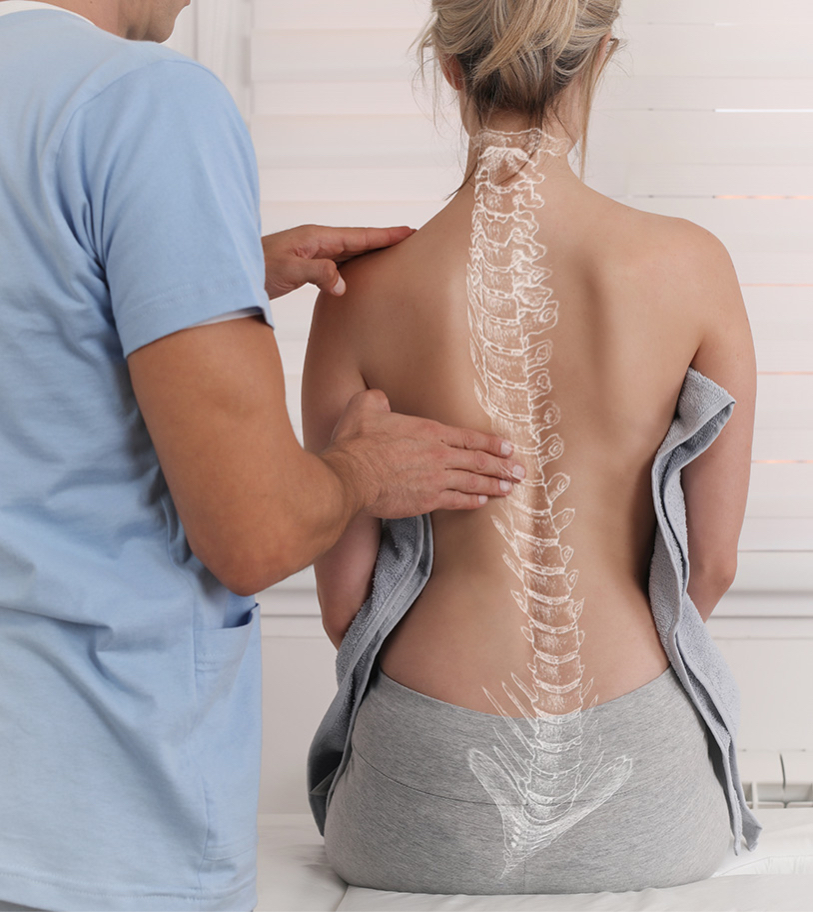
An expert in spinal pain will need to correlate pain location and type of pain to the anomalous facet joint. Through examination and testing, physicians can confirm whether or not the presence of a transitional vertebra is the source of the patient's symptoms. Back pain, if left unmanaged, may interfere with the patient’s quality of life.

Causes of Bertolotti Syndrome

The variation develops before birth. Pain may be associated with:

  • An enlarged L5 transverse process forming an abnormal joint with the sacrum.
  • Partial or complete fusion between L5 and the sacrum.
  • Extra mechanical stress, on the disc or small joints that are located above the vertebra.

New leg weakness or numbness of the perineum/groin, as well as a loss of bladder or bowel control, are signs for immediate emergency evaluation. Variation is not problematic unless it causes symptoms.

Diagnostic

First, your symptoms are reviewed, followed by tests to see the movement of your joints, the amount of strength in your legs, reflexes and your ability to sense pain and temperature. X-rays show where the vertebra of transition is. CT scans provide a view of the bony connections. Magnetic Resonance Imaging scans show if you have a disc issue or any nerve pain that can explain your pain. To treat you with an injection or surgery, the right level in the spine must be identified. Sometimes a joint can be painfully blocked. An anaesthetic is injected into the suspected joint.

Treatment Options

Usually, back pain is first treated non-surgically. Options include:

  • Modifying activities to keep motions to a minimum to avoid pain should be done.
  • Pain may also be managed with medication to relieve symptoms. 
  • Another option is to offer physiotherapy for the patient to strengthen the back and improve flexibility, as well as many other options.
  • Image guided injections are able to reduce pain, and they also assist with the determination of the source of the pain.
  • As a last resort for individuals who have exhausted all other methods of back pain management, a fusion or removing the abnormal link should be an option for back surgery. 

Treatments depend on the symptoms. Having an observable transitional vertebra doesn’t always mandate treatment or surgery.

Patients Success Stories

My Happy Patients Are
Saying Something Awesome

Endoscopic Spine Surgery

Endoscopic Spine Surgery

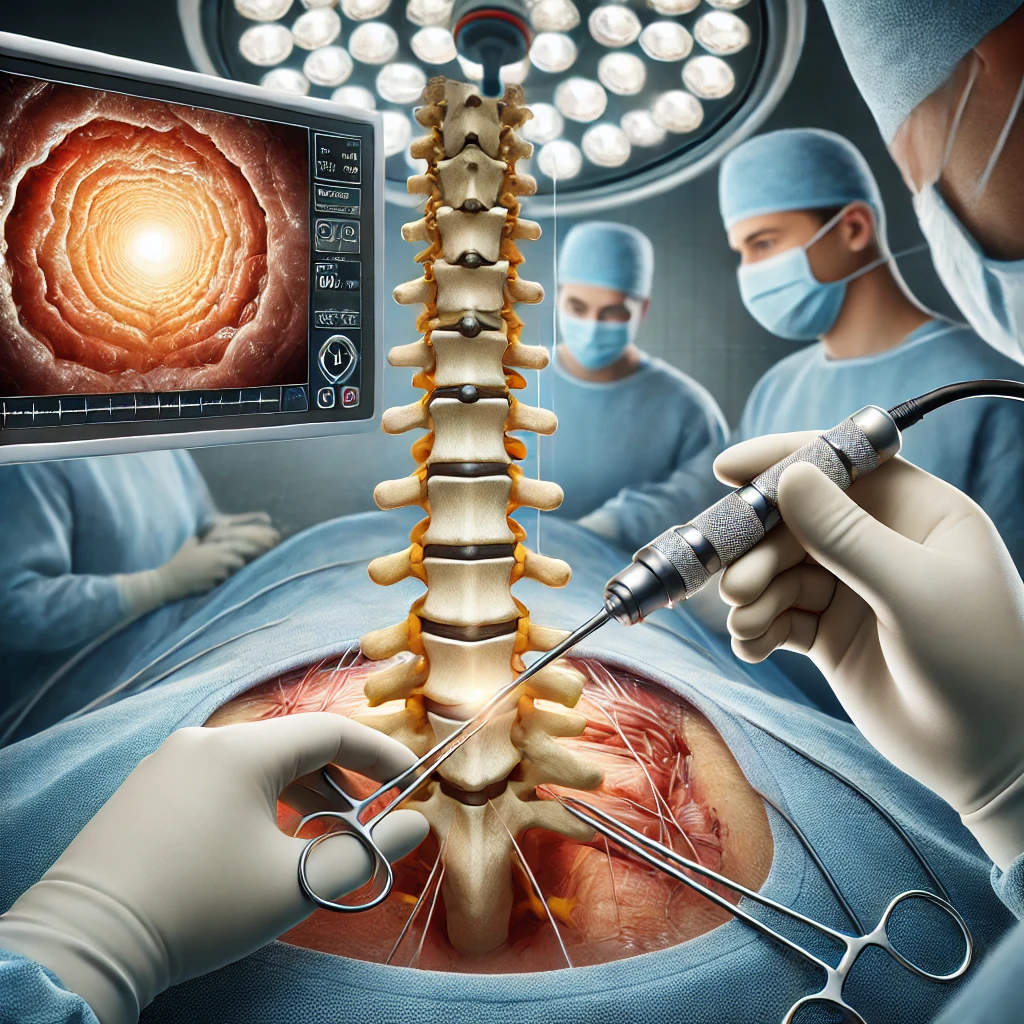
Endoscopy is a minimally invasive medical procedure that uses a flexible or rigid tube with a camera and light on the end

Read More
Lumbar Decompression

Lumbar Decompression

Relieving pressure, restoring mobility: Effective care with lumbar decompression.

Read More
Robotic Spine Surgery

Robotic Spine Surgery

Precision meets innovation: Transforming spine care with robotic surgery.

Read More
Heart Logo

Request an appointment

Speak to someone today, we're ready for your enquiry. Book an appointment or ask for advice.

Recognized and Connected

Accridation and Affiliations

Showcasing our professional accreditations and affiliations with leading organizations. These endorsements highlight our commitment to excellence and industry standards.